Cri studentaid content-loan-info-docum 2026

Get Form
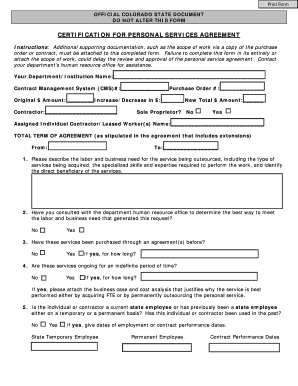
cri studentaid content-loan-info-docum Preview on Page 1

Here's how it works

01. Edit your form online
Type text, add images, blackout confidential details, add comments, highlights and more.

02. Sign it in a few clicks
Draw your signature, type it, upload its image, or use your mobile device as a signature pad.

03. Share your form with others
Send it via email, link, or fax. You can also download it, export it or print it out.

Definition & Meaning

The "cri studentaid content-loan-info-docum" is a critical document in the realm of student financial aid in the United States. It provides comprehensive information about student loans, covering aspects such as types of loans available, eligibility criteria, and steps needed to apply for and manage these loans. This form serves as an essential resource for students seeking financial aid to pursue higher education, helping them navigate the complexities of student loans, understand their responsibilities, and make informed decisions about borrowing.

Key Elements of the Document

Understanding the key elements of the "cri studentaid content-loan-info-docum" is crucial for effective use of the form. This includes sections detailing:

  • Loan Types: Federal, private, subsidized, and unsubsidized loans.
  • Interest Rates: Current rates and how they are applied to different types of loans.
  • Repayment Plans: Various options available, such as standard, income-driven, and graduated repayment plans.
  • Borrower Rights and Responsibilities: Important information on what is expected from borrowers and the protections afforded to them.
  • Loan Forgiveness Programs: Eligibility and application procedures for programs like Public Service Loan Forgiveness (PSLF).

Each section provides detailed information and guidelines to aid users in selecting the right loan options and managing their loans effectively.

Important Terms Related to the Document

Several specific terms are integral to understanding the "cri studentaid content-loan-info-docum". These include:

  • Deferment: A temporary pause to loan payments under certain conditions.
  • Forbearance: An extension period to delay payments when experiencing financial hardship.
  • Capitalization: The addition of unpaid interest to the principal balance of a loan.
  • Grace Period: A time frame after graduation during which no payments are required.
  • Default: Failure to repay a loan according to the agreed-upon terms.

Familiarity with these terms ensures individuals can navigate the document effectively and comprehend their obligations concerning student loans.

How to Obtain the Document

The "cri studentaid content-loan-info-docum" can be obtained through several methods:

  1. Online Access: Available for download from official student aid websites or institutional portals.
  2. Educational Institutions: Guidance offices often provide access and support in interpreting the document.
  3. Financial Aid Offices: Direct requests can be made at colleges and universities to receive hard copies or in-depth explanations.

Each method provides a viable means for students and parents to access this pivotal information, ensuring they make informed decisions regarding financial aid.

Steps to Complete the Document

Completing the "cri studentaid content-loan-info-docum" involves several key steps:

  1. Information Gathering: Collect personal, financial, and educational details.
  2. Form Filling: Carefully input requested data, ensuring accuracy and completeness.
  3. Review and Verify: Double-check entries for errors and confirm all sections are properly addressed.
  4. Submission: Follow given instructions for submitting the form either electronically or by mail.

Following these steps can streamline the loan application process, ensuring a smooth handling of one’s student aid needs.

Legal Use of the Document

The "cri studentaid content-loan-info-docum" is legally binding and has regulatory implications:

  • Compliance: Users must comply with federal and state laws concerning financial aid applications.
  • Disclosure: Accurate and complete disclosure of all requested financial information is required.
  • Legal Implications of Misrepresentation: Providing false information can result in penalties or denial of aid.

Understanding the legal context ensures that students adhere to prescribed rules and avoid any potential legal issues.

Who Typically Uses the Document

Primarily, the document serves:

  • Students: Those seeking financial assistance for higher education.
  • Parents: Guardians of dependent students applying for aid.
  • Financial Aid Administrators: Professionals assisting students in understanding and completing the document.

These users rely on the document to guide them through the aid process, from initial application to loan management and repayment.


decoration image ratings of Dochub

Digital vs. Paper Version

In the modern digital era, the choice between digital and paper versions of the "cri studentaid content-loan-info-docum" is crucial:

  • Digital Version: Allows easy online submissions, real-time updates, and integration with financial aid software.
  • Paper Version: Suitable for those without reliable internet access or who prefer hard copies for record-keeping and review.

Both formats have their advantages, and users can select either based on their preferences and resources.

Eligibility Criteria

Eligibility for student loans via the "cri studentaid content-loan-info-docum" is determined by:

  • Enrollment Status: Must be at least a half-time student.
  • Academic Progress: Satisfactory performance as defined by the institution.
  • Citizenship: U.S. citizenship or eligible non-citizen status.
  • Financial Need: Demonstrated through a completed Free Application for Federal Student Aid (FAFSA).

Meeting these criteria ensures access to the necessary financial resources for educational purposes.

decoration image
be ready to get more

Complete this form in 5 minutes or less

Get form

Got questions?

We have answers to the most popular questions from our customers. If you can't find an answer to your question, please contact us.
Contact us
CRIs eCorrespondence messages are electronic versions of your monthly billing statements and other correspondence from us that show up in your online account Inbox .
CRI according to studentaid.gov is legitimate and goes by Central Research, Inc. They have all my correct information including the previous autopay I had set up when it got transfered from Nelnet over to them, I just wish I knew what happened!
If someone calls or emails you out of nowhere and claims to be from a debt relief company, it could be a scam. Most real companies will not contact you unless you contacted them first. So, do some research and be careful.
Central Research, Inc. (CRI) works with the Department of Education (ED) to help you achieve your educational goals.
Federal Student Aid (FSA) is your federal loan provider. FSA uses servicers (private companies) like CRI to manage billing, questions, and payments, and to help you enroll in the best repayment plan for you.

Security and compliance

At DocHub, your data security is our priority. We follow HIPAA, SOC2, GDPR, and other standards, so you can work on your documents with confidence.

Learn more
ccpa2
pci-dss
gdpr-compliance
hipaa
soc-compliance

People also ask

Scammers often docHub out via email, phone, or text message, claiming to be able to provide student loan forgiveness and asking for personal information or payment. Legitimate forgiveness programs do not typically docHub out to individuals without being contacted first.

Related links