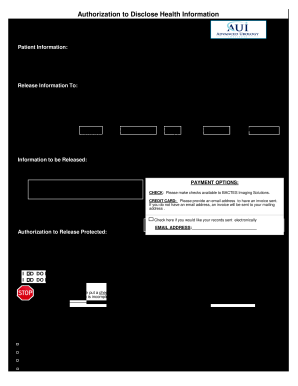
Definition & Meaning
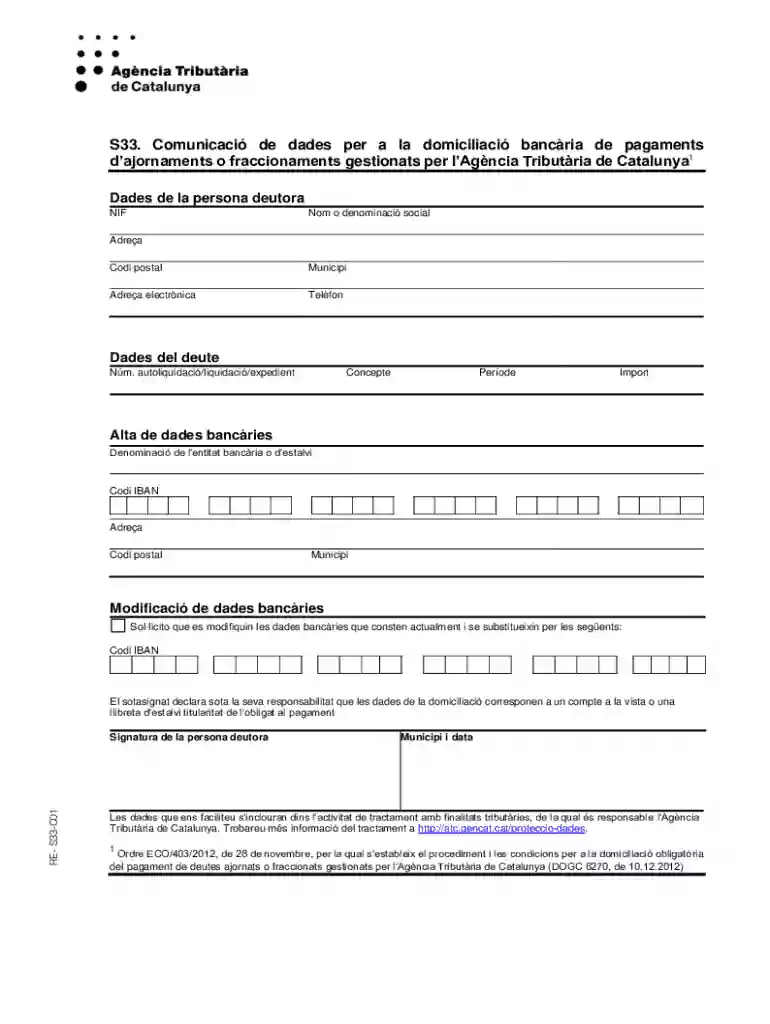
The S33 form is a crucial document used for managing specific tax transactions or compliance procedures. It serves as a formal record for IRS-related activities, ensuring that both individuals and businesses adhere to the stipulated regulations. Understanding its purpose can prevent errors during tax submissions and compliance checks, which is essential for accurate accounting and legal adherence.
How to Use the S33
Using the S33 efficiently requires familiarity with tax compliance norms and the document's layout. Here’s a basic procedure:
- Examine the Form: Identify each section, including personal details, transaction specifics, and additional information fields.
- Complete Required Fields: Input accurate data in mandatory fields. Double-check for any optional fields that may apply to your situation.
- Review IRS Guidelines: Refer to associated IRS instructions to ensure all information aligns with legal requirements.
- Submit Properly: Choose a submission method like online filing or mailing to IRS. Ensure adherence to specific formats required by these channels.
Providing accurate and complete information on the S33 helps prevent processing delays and potential penalties.
Steps to Complete the S33
Completing the S33 involves several standardized steps to ensure compliance and accuracy:
- Gather Required Documents: Collect supporting documents such as financial statements, identification, and prior tax forms.
- Fill Out Personal Information: Begin by entering personal or business details, ensuring congruence with IRS records.
- Accurate Financial Entries: Report income, deductions, and any pertinent financial transactions.
- Attach Supporting Documentation: Include necessary attachments that corroborate the data reported.
- Verification and Signatures: Thoroughly review for accuracy, sign the document, and include any required co-signers.
- Final Review and Submission: Double-check all entries and submit through the preferred channel.
These steps, if followed diligently, facilitate seamless form processing and compliance.
Who Typically Uses the S33
The S33 form is commonly used by:
- Businesses: Particularly those needing to report specific financial transactions or tax compliance details.
- Self-employed Individuals: For instances where personal business activities intersect with filing requirements.
- Tax Professionals: Acting on behalf of clients to ensure adherence to legal obligations.
- Large Corporations: For detailed reporting of fiscal activities.
Understanding who primarily uses the form can guide you in determining its relevance to your tax situation.

Key Elements of the S33
The S33 form features several key elements crucial for proper completion:
- Identification Section: Personal or business identification details.
- Income Reporting: Sections detailing various types of income relevant to the filer.
- Deductions and Credits: Available spaces for reporting eligible deductions and tax credits.
- Signature Fields: Spaces for signing and verifying the form's authenticity.
Familiarity with these elements aids in completing the form accurately, reducing the risk of errors.
Legal Use of the S33
Using the S33 legally involves adherence to IRS guidelines and state-specific tax regulations:
- Compliance with IRS Rules: Ensure the form is used as intended under federal tax laws.
- State Regulations: Some states may have additional rules that impact the form’s use or require supplemental documentation.
- Privacy Protections: Ensure the secure handling of any personal data associated with the form.
Legal compliance prevents penalties and ensures that financial reporting is conducted responsibly.
IRS Guidelines
Aligning with IRS guidelines is essential for the correct use of the S33:
- Instructions Availability: Detailed instructions are often downloadable from the IRS website.
- Compliance and Updates: Remain updated with any changes posted annually by the IRS.
- Guidance on Derivative Forms: The IRS may issue related documents or notices specific to S33.
These guidelines provide clarity and reduce ambiguity during form preparation and submission.
Form Submission Methods (Online / Mail / In-Person)
Submitting the S33 can be done through several channels:
- Online Submission: Via specific websites or tax software for quick electronic filing.
- Mail Submission: Addressed directly to IRS centers that process the S33, allowing for traditional paper filing.
- In-Person Submission: Some cases may allow delivery at local IRS offices, though this often depends on local capacity and regulations.
Understanding these methods ensures timely and correct filing of the S33.