01. Edit your gc 400 4 c online
Type text, add images, blackout confidential details, add comments, highlights and more.

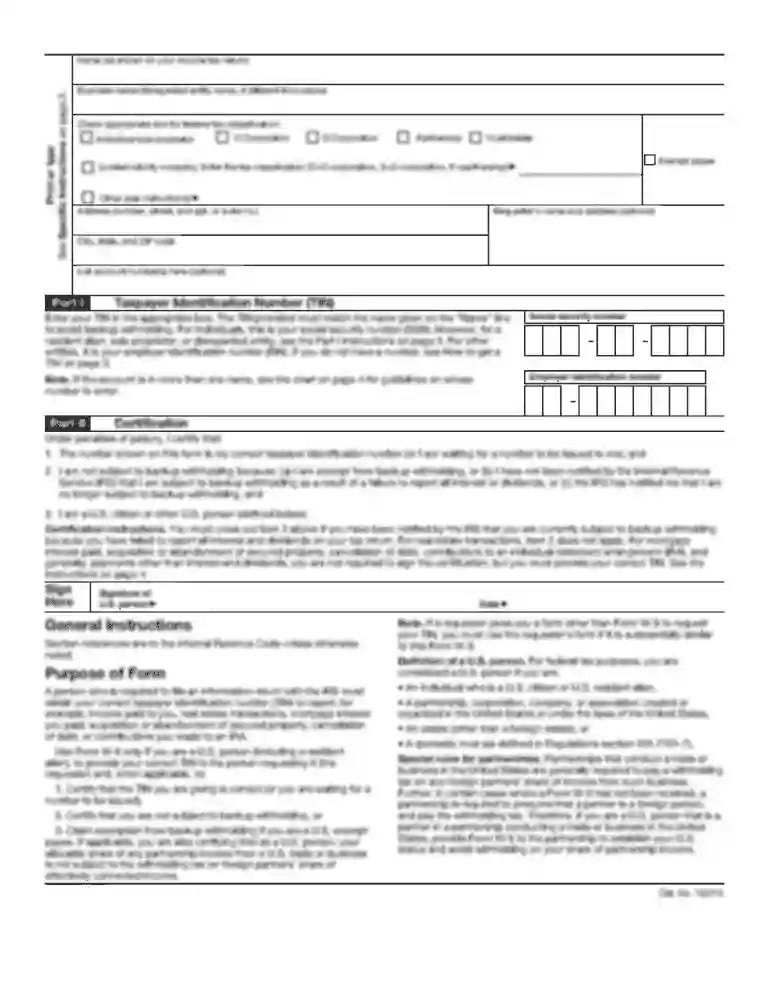
Type text, add images, blackout confidential details, add comments, highlights and more.

Draw your signature, type it, upload its image, or use your mobile device as a signature pad.

Send c 4 c attorney via email, link, or fax. You can also download it, export it or print it out.
The "gc c fiduciary account" is a type of financial account designated for managing assets on behalf of another person, typically in fiduciary relationships such as those involving guardianship, conservatorship, or estate administration. These accounts are set up to ensure that the funds or assets within them are handled ethically and legally for the benefit of a third party, known as the beneficiary.
Managing a gc c fiduciary account requires adherence to specific procedures to ensure compliance with legal requirements and fulfill fiduciary responsibilities effectively.
Deposit and Withdrawal Protocols: All transactions must adhere to court orders or legal mandates. Unauthorized distributions could result in penalties.
Record-Keeping: Detailed records of all transactions are mandatory. This includes receipts, disbursements, and balances, providing transparency and accountability.
Regular Reporting: Fiduciaries may be required to submit regular financial reports to the court or other governing bodies demonstrating the account's status and activity.
Securing a gc c fiduciary account typically involves a legal process, often requiring court approval or specific legal documentation.
Completing the setup and ongoing management of a gc c fiduciary account involves several critical steps to ensure legality and efficiency.
Gather Required Documents: Secure all necessary legal documents, including court orders and proof of fiduciary status.
Establish the Account: Open the account at a recognized financial institution, ensuring all initial deposits and transfers are documented.
Appointing Authorized Signatories: Determine and document who is authorized to make transactions on the account's behalf, typically requiring signatures.
Setup Reporting Mechanisms: Organize a system for tracking all transactions. Consider using software tools that provide robust record-keeping and reporting functionalities.
Understanding the terminology associated with gc c fiduciary accounts is essential for effective management and compliance.
Fiduciary accounts are tightly regulated to protect the interests of beneficiaries and ensure ethical management.
Real-world scenarios exemplify how gc c fiduciary accounts operate and how they serve the interests of beneficiaries.
Each U.S. state may provide additional guidelines or regulations governing the administration and use of fiduciary accounts.
The choice between digital and traditional paper management of fiduciary accounts can influence convenience and compliance.
This thoroughly structured content maximizes the understanding and utility of the "gc c fiduciary account," providing exhaustive insights into its management and compliance.
We've got more versions of the gc 400 4 c form. Select the right gc 400 4 c version from the list and start editing it straight away!
| Versions | Form popularity | Fillable & printable |
|---|---|---|
| 2008 | 4.8 Satisfied (195 Votes) |
At DocHub, your data security is our priority. We follow HIPAA, SOC2, GDPR, and other standards, so you can work on your documents with confidence.