






Definition & Meaning
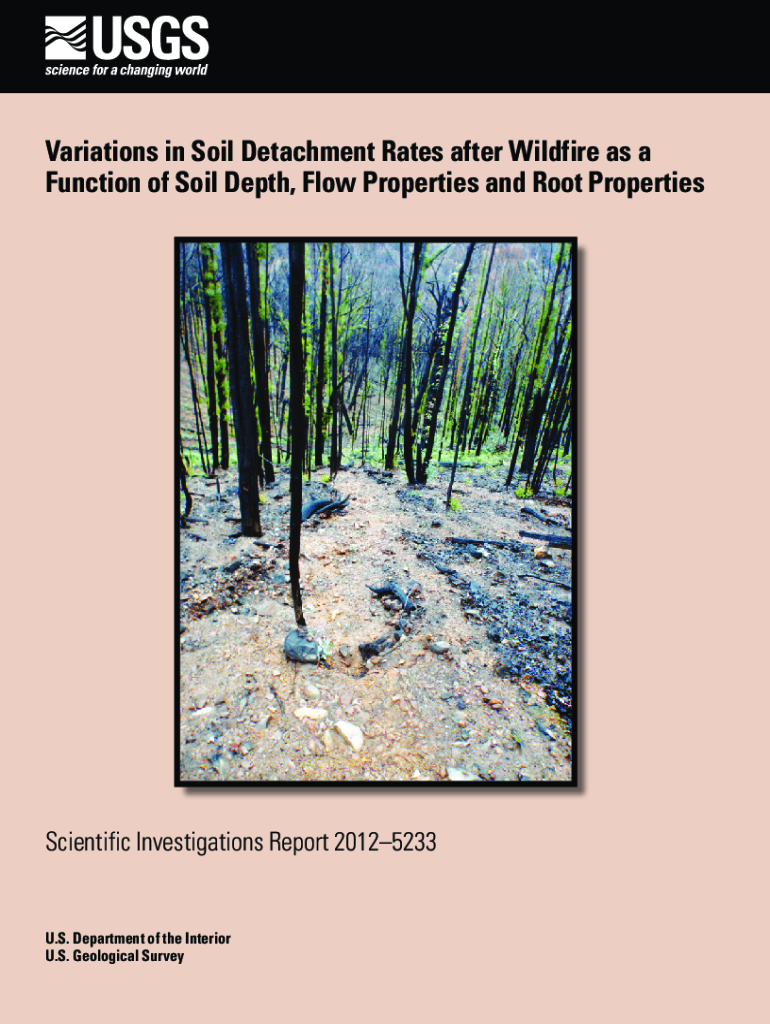
Burned Area RehabilitationU S Department of the Interior refers to a structured initiative aimed at restoring areas affected by wildfires. This process is essential to prevent soil erosion, promote vegetation regrowth, and ensure habitat restoration. The Department of the Interior, through this rehabilitation, helps stabilize ecosystems and mitigates the adverse effects of fire damage. The program encompasses practices designed to recover ecological health and maintain land productivity in the aftermath of a fire.
Steps to Complete the Burned Area RehabilitationU S Department of the Interior
-
Assessment of Burned Area: Conduct a comprehensive evaluation to determine the extent of fire damage, identifying critical needs such as soil stability and vegetation recovery.
-
Development of Rehabilitation Plan: Create a strategic plan that outlines objectives, timelines, and specific rehabilitation activities, including reseeding and erosion control measures.
-
Implementation of Rehabilitation Activities: Execute the planned interventions, such as planting native species, constructing barriers to prevent soil erosion, and monitoring water quality to address potential runoff issues.
-
Monitoring and Evaluation: Regularly monitor the rehabilitation efforts to assess progress and make necessary adjustments based on environmental feedback and changing conditions.
-
Documentation and Reporting: Maintain detailed records of rehabilitation activities and outcomes to ensure accountability and guide future rehabilitation planning efforts.
Why Should You Engage in Burned Area Rehabilitation?
Engaging in Burned Area Rehabilitation is crucial for several reasons:
- Environmental Protection: Restores habitats, reduces soil erosion, and enhances biodiversity.
- Economic Benefits: Preserves land productivity for agriculture and forestry, protecting local economies.
- Public Safety: Reduces risks associated with landslides and water contamination, safeguarding communities living near affected areas.
- Ecosystem Services: Maintains essential services like carbon sequestration and water regulation provided by healthy ecosystems.
Who Typically Uses the Burned Area RehabilitationU S Department of the Interior?
The program is utilized by:
- Federal and State Land Managers: Responsible for overseeing public lands impacted by wildfires.
- Environmental Conservation Organizations: Committed to restoring ecological balance in burned areas.
- Local Communities: Interested in recovering natural landscapes and reducing fire-related hazards.
- Agricultural and Forestry Sectors: Affected by loss of productivity due to fire damage on land resources.


Important Terms Related to Burned Area Rehabilitation
- Erosion Control: Techniques used to prevent soil displacement post-fire.
- Native Species Reseeding: Replanting of indigenous plant species to promote natural regeneration.
- Hydrologic Stabilization: Efforts to maintain or restore natural water flow patterns disrupted by fires.
- Fire Breaks: Physical spaces created to halt the spread of future fires.
Legal Use of the Burned Area RehabilitationU S Department of the Interior
The Department of the Interior conducts rehabilitation activities in compliance with federal and state environmental laws. Legal guidelines ensure that interventions do not violate regulations protecting endangered species, water quality, and land use. Collaboration with regulatory bodies guarantees that restoration activities align with environmental conservation objectives and sustainable land management practices.
Key Elements of the Burned Area RehabilitationU S Department of the Interior
- Baseline Data Collection: Gathering pre-fire conditions information for reference during rehabilitation.
- Resource Allocation: Identifying necessary resources, including funding and labor, to support restoration activities.
- Interagency Collaboration: Engaging multiple stakeholders from government agencies and community groups to leverage expertise and resources.
- Public Outreach and Education: Involving local populations through awareness programs to foster cooperation and ensure sustained rehabilitation efforts.
State-Specific Rules for Burned Area Rehabilitation
Rehabilitation requirements can vary by state, with regulations often influenced by specific environmental conditions and fire regimes. Some states may have additional rules regarding the usage of certain land management practices or species that can be replanted. Understanding and adhering to these state-specific regulations is critical for successful rehabilitation and legal compliance.