




Definition & Meaning
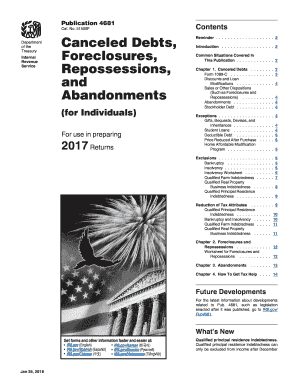
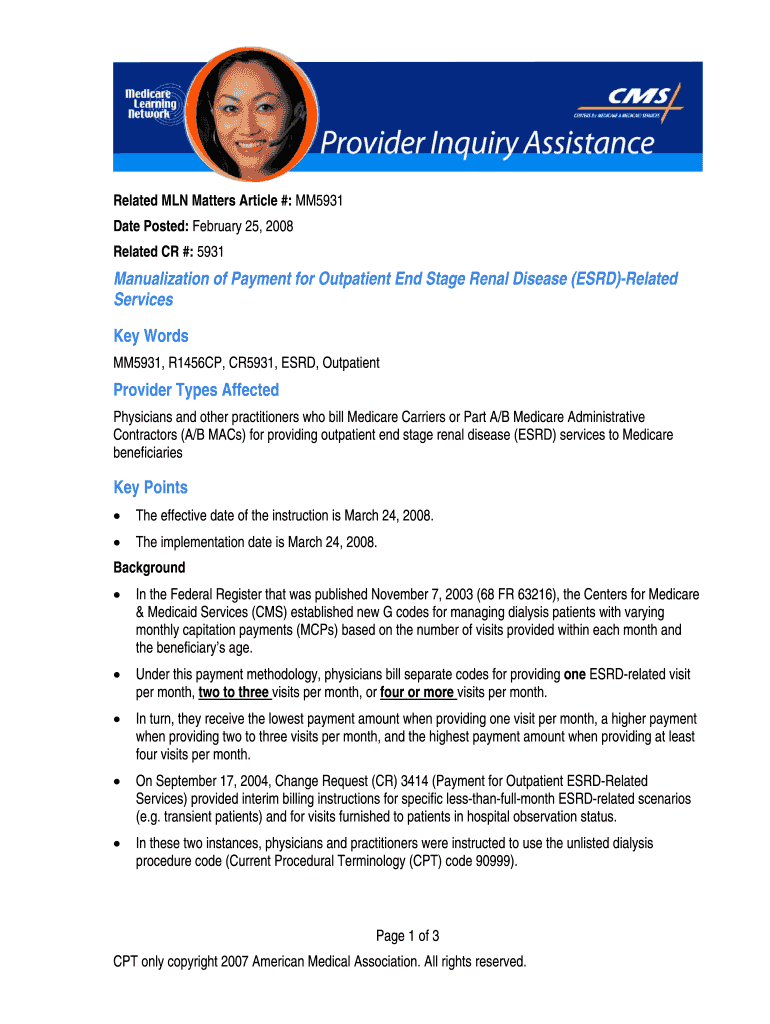
The "Bulletin Number: xxxxxx This document, submitted to the U.S. Environmental Protection Agency (EPA), is a pe" refers to a formal submission utilized for regulatory compliance with the EPA. This bulletin is typically a part of a series or set of updates that communicate specific information about environmental regulations, company compliance, or changes to existing policies. Bulletins like this often contain critical regulatory data or guidelines that entities must follow to maintain adherence to environmental standards.
Key Elements of the Bulletin
The bulletin encompasses various components crucial to its purpose. Key elements generally include:
- Introduction and Purpose: Outlines the overall aim of the bulletin, providing context about the regulatory framework it pertains to.
- Detailed Regulations: Lists specific guidelines or changes that must be adhered to, which may involve technical standards or compliance measures.
- Affected Parties: Identifies who needs to be aware of and act on the information contained in the bulletin, such as certain industries or environmental sectors.
- Implementation Timeline: Specifies when the directives or updates within the bulletin are to be implemented, helping entities prepare adequately.
Steps to Complete the Bulletin
Completing the bulletin involves a series of methodical steps:
- Obtain the Bulletin: Interested parties should get the latest version from the EPA website or through official communication channels.
- Review Requirements: Carefully read through the bulletin to understand its requirements and implications in detail.
- Gather Necessary Data: Assemble all pertinent data or documentation required for compliance.
- Complete Relevant Forms or Reports: Fill out any forms or reports that the bulletin mandates, ensuring all information is accurate and complete.
- Submit Documentation: Provide the completed documentation to the EPA through the appropriate channels, adhering to any specified deadlines.
Why You Should Pay Attention to the Bulletin
Adhering to EPA bulletins is crucial for several reasons:
- Legal Compliance: Ensures that your organization remains in good standing with environmental laws and avoids potential legal issues.
- Environmental Impact: Helps in making sure that your activities are environmentally responsible, minimizing negative impacts.
- Reputation Management: Demonstrates your commitment to sustainable practices, which can positively influence public perception and stakeholder trust.
Who Typically Uses the Bulletin
This bulletin is predominantly used by:
- Environmental Compliance Officers: Responsible for ensuring that organizations meet all pertinent regulatory requirements.
- Legal Teams: Within corporations, particularly those with significant environmental impact, to offer advice on law adherence.
- Industry Regulators: Monitor and enforce compliance across various sectors.

Legal Use of the Bulletin
Understanding the legal implications of the bulletin is critical:
- Regulatory Adherence: The bulletin details standards that must be met to comply with environmental laws.
- Violation Consequences: Non-compliance can lead to fines, legal action, or other penalties.
- Record Keeping: Maintaining records of compliance with bulletin directives is often a legal requirement and can protect against discrepancies in future audits.
Examples of Using the Bulletin
Practical application scenarios can include:
- Manufacturing Adjustments: A company altering its production processes to reduce emissions in response to changes in EPA guidelines detailed in the bulletin.
- Policy Development: Corporations creating internal policies to ensure all sites comply with the latest environmental compliance directives.
State-Specific Rules
While the EPA sets federal standards, states may have additional rules:
- Supplemental Regulations: States might enforce stricter local regulations that complement federal guidelines.
- State Agencies: Collaborate with local environmental agencies to ensure compliance that meets both state and federal requirements.
Each section of content has been selected to provide a comprehensive view of the subject matter surrounding the form "Bulletin Number: xxxxxx This document, submitted to the U.S. Environmental Protection Agency, is a pe". By including detailed, structured information, this guide offers value and guidance to users in understanding the importance and intricacies associated with the bulletin.