






Definition and Meaning
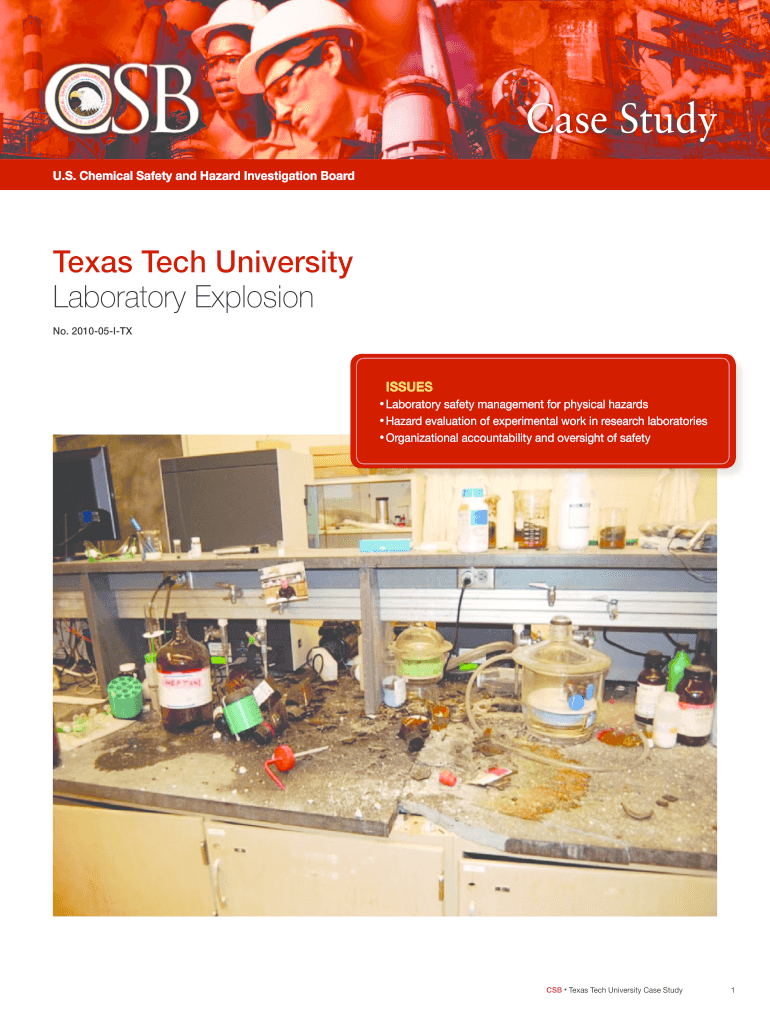
A laboratory explosion refers to an unexpected and often violent event occurring in a lab setting, where chemical reactions or equipment failures result in an explosive release of energy. These incidents can lead to severe injuries, property damage, and disruptions in research activities. Understanding the nature and causes of laboratory explosions is crucial for implementing effective safety measures.
Context and Examples
- Lab explosions can be triggered by improper handling of reactive chemicals, inadequate ventilation, or malfunctioning equipment.
- For instance, the 2010 explosion at Texas Tech University highlighted systemic safety management deficiencies and underscored the need for better hazard assessment and communication protocols.
Importance of Understanding
- Recognizing the potential causes and impacts of explosions can inform the development of safety strategies and reinforce the importance of rigorous laboratory safety protocols.
Key Elements of Laboratory Explosion
Understanding the key elements contributing to laboratory explosions is essential for risk mitigation. Safety professionals and lab managers need to consider several factors:
Equipment and Material Factors
- Use of aged or malfunctioning lab equipment.
- Inadequate storage of reactive or flammable materials.
Human and Procedural Elements
- Lack of training in handling hazardous materials.
- Insufficient safety procedures or emergency response plans.
Environmental Conditions
- Poor ventilation or inappropriate lab design can exacerbate risks.
Systemic Deficiencies
- The Texas Tech University incident revealed inadequate hazard assessment and poor communication of safety protocols as systemic deficiencies.
Steps to Complete Safety Assessments
Conducting thorough safety assessments is vital to prevent laboratory explosions. Use the following steps:
- Identify Hazardous Materials: Catalog all chemicals and materials for their reactive properties.
- Evaluate Equipment Integrity: Regularly inspect and maintain lab equipment to ensure it functions correctly.
- Assess Environmental Controls: Ensure proper ventilation and use explosion-proof equipment where necessary.
- Review Safety Protocols: Examine current protocols and emergency plans for adequacy and completeness.
- Implement Training Programs: Establish regular safety training to keep all personnel informed about hazards and emergency procedures.
Detailed Evaluation Steps
- Conduct Mock Drills: Test emergency responses periodically.
- Peer Reviews: Engage third-party experts to assess safety measures.
Legal Use of Safety Protocols
Laboratory explosions underline the legal importance of adhering to established safety protocols and regulations:
Compliance Requirements
- Regulations established by OSHA and CSB set strict guidelines for lab safety, focusing on chemical handling, equipment use, and emergency preparedness.
Consequences of Non-Compliance
- Violations can result in significant legal liabilities, fines, and restrictions on operations. Following a laboratory explosion, institutions may face scrutiny regarding adherence to safety protocols, as seen at Texas Tech.
Who Typically Uses Safety Audits?
Laboratory safety audits are employed by various stakeholders within scientific and educational fields:
Target Audiences
- Academic Institutions: Universities conducting chemical or biological research.
- Industrial Labs: Facilities managing large-scale chemical processes.
- Government Agencies: Entities like the CDC and EPA, overseeing lab safety.
Specific Roles
- Safety Officers: Charged with maintaining and updating safety standards.
- Laboratory Managers: Ensure daily compliance with safety protocols.
- Researchers: Directly involved with the materials and methods that may pose risks.
Examples of Implementing Safety Improvements
Organizations can learn from past incidents to enhance lab safety measures:
Case Studies
- Texas Tech Incident: Post-incident, the implementation of new safety management systems and comprehensive training programs was critical.
- University Labs: Many have adopted standardized risk assessment templates to consistently evaluate potential hazards.
Success Stories
- Through diligent assessment and protocol enhancement, institutions have reduced incident rates and maintained a safer working environment, reinforcing the importance of proactive safety management.
Required Documents for Safety Certification
To ensure compliance and readiness in case of an inspection, specific documentation should be maintained:
Essential Documents
- Risk Assessment Reports: Detailed analyses of potential hazards and mitigation strategies.
- Equipment Maintenance Records: Logs of regular equipment checks and servicing.
- Training Certificates: Proof of safety training for all personnel.
Documentation Practices
- Digitally archive all documents for easy access and retrieval.
- Regular audits ensure documentation reflects current practices and inventory.
Form Submission Methods for Safety Reports
Submitting safety reports and certifications can be done via different methods:
Online Submissions
- Many institutions utilize centralized online systems to submit and manage safety reports.
Physical Documentation
- Hard copies of reports and action plans may still be required for on-site reviews during inspections.
Integration with Software Tools
- Safety management software can help generate and track reports, ensuring timely submissions and updates.
With rigorous adherence to safety protocols, comprehensive safety assessments, and a thorough understanding of regulatory compliance, institutions can effectively mitigate the risks associated with laboratory explosions.