AT1 Schedule 9 - Alberta Treasury Board and Finance - finance alberta 2026

Get Form
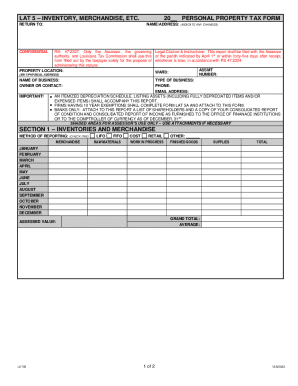
AT1 Schedule 9 - Alberta Treasury Board and Finance - finance alberta Preview on Page 1

Here's how it works

01. Edit your form online
Type text, add images, blackout confidential details, add comments, highlights and more.

02. Sign it in a few clicks
Draw your signature, type it, upload its image, or use your mobile device as a signature pad.

03. Share your form with others
Send it via email, link, or fax. You can also download it, export it or print it out.

Definition & Meaning

AT1 Schedule 9 is a tax form used in Alberta to report eligible expenditures related to the Alberta Scientific Research & Experimental Development (SR&ED) Tax Credit. This credit is designed for corporations engaged in scientific research and experimental development and allows them to claim tax benefits for qualifying activities. The form helps in determining the eligible expenses and calculating the credit amount a corporation can claim, ensuring compliance with the Alberta Treasury Board and Finance regulations. It is a pivotal document for businesses involved in innovation and scientific advancement within Alberta.

Steps to Complete the AT1 Schedule 9

  1. Gather Required Information: Before starting, collect all necessary documentation such as detailed records of eligible expenditures, associated corporation details, and prior tax credit claims.

  2. Identify Eligible Expenditures: Review all research and development activities and document the associated costs. Ensure these expenses comply with the criteria set out by the Alberta Treasury Board.

  3. Calculate Tax Credit: Use the gathered data to compute the potential tax credit. This involves applying the rates specified by the provincial guidelines to eligible expenditures.

  4. Complete the Form: Fill out Schedule 9 with accurate information. Include all pertinent data concerning the corporation and the calculated tax credit.

  5. Review for Accuracy: Verify the form for correctness. Ensure all entries align with the provided documentation and address any discrepancies before submission.

  6. Submit Form: Attach Schedule 9 to the corporate tax return submission, ensuring it is filed within the stipulated deadline, which is typically 21 months post the taxation year-end.

Important Terms Related to AT1 Schedule 9

  • Eligible Expenditures: Costs incurred in scientific research and experimental development activities that qualify for the SR&ED tax credit.
  • Tax Credit: A sum deducted from the total payable tax, calculated based on eligible SR&ED activities.
  • Associated Corporations: Related corporations whose activities might influence eligibility and credit calculations under SR&ED.
  • Alberta Treasury Board: The governing body overseeing financial regulations and tax credit provisions in Alberta.

Key Elements of the AT1 Schedule 9

  • Identification Section: Includes corporation name, tax year, and business identification number.
  • Expenditure Details: Breaks down the costs associated with SR&ED activities, noting which expenditures qualify for a tax credit.
  • Credit Calculation: Section dedicated to applying the eligible expenditures to Alberta's tax credit formula to establish the amount claimable.
  • Certification: A declaration ensuring all provided information is accurate and compliant with Alberta's tax laws.

Required Documents

  • Financial Statements: Comprehensive financial records detailing all SR&ED expenditures.
  • Project Descriptions: Documentation describing the scope and nature of research and development projects undertaken.
  • Prior Tax Returns: Copies of past filed returns with any previous claims for SR&ED credits.

Filing Deadlines / Important Dates

Corporations must submit the AT1 Schedule 9 within 21 months following the end of the taxation year for which the credit is claimed. Timely filing is crucial to secure the benefits without incurring penalties or interest.

Eligibility Criteria

To qualify for the SR&ED credit using Schedule 9, a corporation must:

  • Be engaged in eligible research and development activities within Alberta.
  • Incur qualifying expenditures in line with provincial regulations.
  • Maintain adequate documentation supporting the claimed expenditures and activities.
decoration image ratings of Dochub

Penalties for Non-Compliance

Failing to file AT1 Schedule 9 or providing inaccurate information may lead to penalties, disallowance of the tax credit, and potential audits. It is pivotal to comply with all filing and documentation requirements to avoid financial repercussions and ensure eligibility continuity for future credits.

Business Entity Types

While primarily aimed at corporations, Schedule 9 can also be relevant for partnerships or joint ventures engaged in SR&ED activities. Each entity must individually assess eligibility and report appropriate expenditures to maximize potential credits.

be ready to get more

Complete this form in 5 minutes or less

Get form

Got questions?

We have answers to the most popular questions from our customers. If you can't find an answer to your question, please contact us.
Contact us
A corporation with a permanent establishment in Alberta at any time during a taxation year is required to file an Alberta Corporate Income Tax Return (AT1) for the taxation year unless the corporation is exempt from doing so.
Failure-to-File Penalty: Typically 5% of unpaid taxes for each month (or part of a month) the return is late, (up to 25% maximum). If you file more than 60 days late, the minimum penalty is $485 (for 2024) or 100% of the tax due, whichever is less.
Failure to file penalties The penalty is 5% of the unpaid tax that is due on the filing deadline, plus 1% of this unpaid tax for each complete month that the return is late, up to a maximum of 12 months.
The Government Tax Payment and Filing Service is offered by most financial institutions for corporate or business accounts. Electronic payment is a fast, easy, convenient and secure way to pay your corporate or commodity taxes.
Returns are due within 6 months from the end of a corporations tax year. An AT1 is considered filed on the date it is received by TRA . For more information on the filing process and deadline, refer to Information Circular CT-2, Filing and Payment Requirements.

Security and compliance

At DocHub, your data security is our priority. We follow HIPAA, SOC2, GDPR, and other standards, so you can work on your documents with confidence.

Learn more
ccpa2
pci-dss
gdpr-compliance
hipaa
soc-compliance

People also ask

If you havent filed your Canadian taxes for three years, you could face financial and legal consequences. The good news? There are ways to fix it, like the CRA Voluntary Disclosure Program. This guide will break down what happens when you dont file, how to get back on track, and how Credit Canada can help.
On February 27, 2025, the Government of Alberta announced that for 2025 and subsequent tax years, a new tax rate of 8% will be applied on the first $60,000 of an individuals taxable income.

Related links