





Definition & Meaning
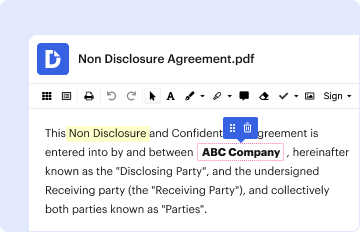
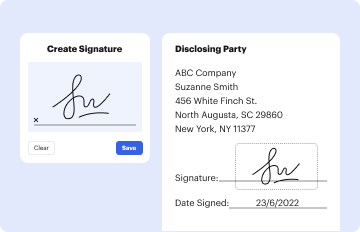
The term "form online" refers to the process of completing, submitting, and managing various types of documents and applications through digital platforms. This approach eliminates the need for physical paperwork, offering a more efficient and convenient alternative for users. The concept encompasses a wide range of forms, such as tax returns, permit applications, and legal documents, that can be accessed and filled out directly on the internet.
Advantages of Forms Online
- Convenience: Users can access forms from anywhere with an internet connection, eliminating the need to visit physical locations.
- Efficiency: Online forms streamline the completion process by allowing automated data entry and validation.
- Environmentally Friendly: Reduces the need for printed materials, contributing to lower paper consumption.
Common Uses
Online forms are widely used across various industries and sectors. From government applications and educational registrations to business transactions and customer feedback, the scope of online forms is expansive, catering to diverse needs.
How to Use the Form Online
Using a form online involves several key steps that ensure proper completion and submission of the document. These steps may vary depending on the form's specific requirements but generally follow a similar pattern.
Step-by-Step Instructions
- Access the Form: Navigate to the official website or platform where the form is hosted.
- Create an Account: Register or log in with your credentials to gain access to the form features.
- Select the Form Type: Choose the appropriate form from the list of available options.
- Fill in Required Fields: Complete all mandatory fields, providing accurate information.
- Attach Supporting Documents: Upload any necessary documents that need to accompany the form.
- Review and Submit: Double-check the information for accuracy before submitting the form.
Tips for Efficient Use
- Use a stable internet connection to avoid disruptions during the process.
- Save progress if available, to prevent data loss in case of a system or connectivity issue.
How to Obtain the Form Online
Successfully finding the right form online involves understanding where to look and how to access authorized resources.
Locating the Form
- Official Websites: Visit government or official organizational websites to find standardized forms.
- Online Portals: Use specific online portals dedicated to document and form management.
- Search Functionality: Employ search tools on platforms like DocHub to quickly find the form you need.
Access Requirements
To access some online forms, you may need to register with the platform, providing necessary identification details for security and verification purposes.
Steps to Complete the Form Online
Completing an online form requires attention to detail to ensure all information is precise and complete.
Key Steps Involved
- Read Instructions Carefully: Make sure to understand all instructions and guidelines provided with the form.
- Data Entry: Enter information methodically, ensuring all required fields are filled.
- Use Built-In Tools: Utilize any available tools or prompts that facilitate easier completion, like auto-fill and validation checks.
Common Mistakes to Avoid
- Omitting Information: Leaving required fields empty can lead to rejection or delays.
- Incorrect Details: Double-check entries for typographical errors or incorrect data.
Why Should You Form Online
Using online forms is beneficial for several reasons, centered around efficiency, accuracy, and accessibility.
Key Benefits
- Time Savings: Online processes are often quicker than traditional paper-based methods.
- Accuracy Improvement: Many platforms include error detection and correction features.
- Cost Efficiency: Reduces costs related to printing, postage, and physical storage.
Scenarios Favoring Online Forms
- Businesses requiring quick turnover in application processes.
- Individuals seeking to save time on routine documentation tasks.
Who Typically Uses the Form Online
The demographic spectrum of online form users is broad, encompassing various needs and sectors.


Common User Profiles
- Individuals: Everyday users filling out applications ranging from job forms to travel permits.
- Businesses: Enterprises handling paperwork for employee management, customer data, and regulatory compliance.
- Institutions: Schools and universities utilizing forms for admissions and student information management.
Industry-Specific Examples
- Healthcare: Patient registration and health information forms.
- Finance: Loan applications and financial disclosures.
Key Elements of the Form Online
Understanding the vital components of an online form helps ensure comprehensive and correct completion.
Essential Components
- Form Fields: Areas where users input data, such as text fields, dropdowns, and checkboxes.
- Submission Buttons: Elements that allow users to submit the completed form.
- Error Notifications: Alerts that indicate mistakes or omissions in the form.
Enhancing Usability
Well-designed forms include clear instructions, logical field placement, and an intuitive interface to guide users through the completion process seamlessly.
Digital vs. Paper Version
The shift from paper to digital forms marks a significant improvement in the way documents are managed and processed.
Comparative Analysis
- Digital Forms: Offer real-time data entry, instant submission, and automated workflows.
- Paper Forms: Require manual handling, physical storage, and often longer processing times.
Choosing the Right Format
Consider your specific needs, such as speed, accessibility, and environmental impact when deciding between digital and paper forms, with digital generally being the more advantageous choice.