
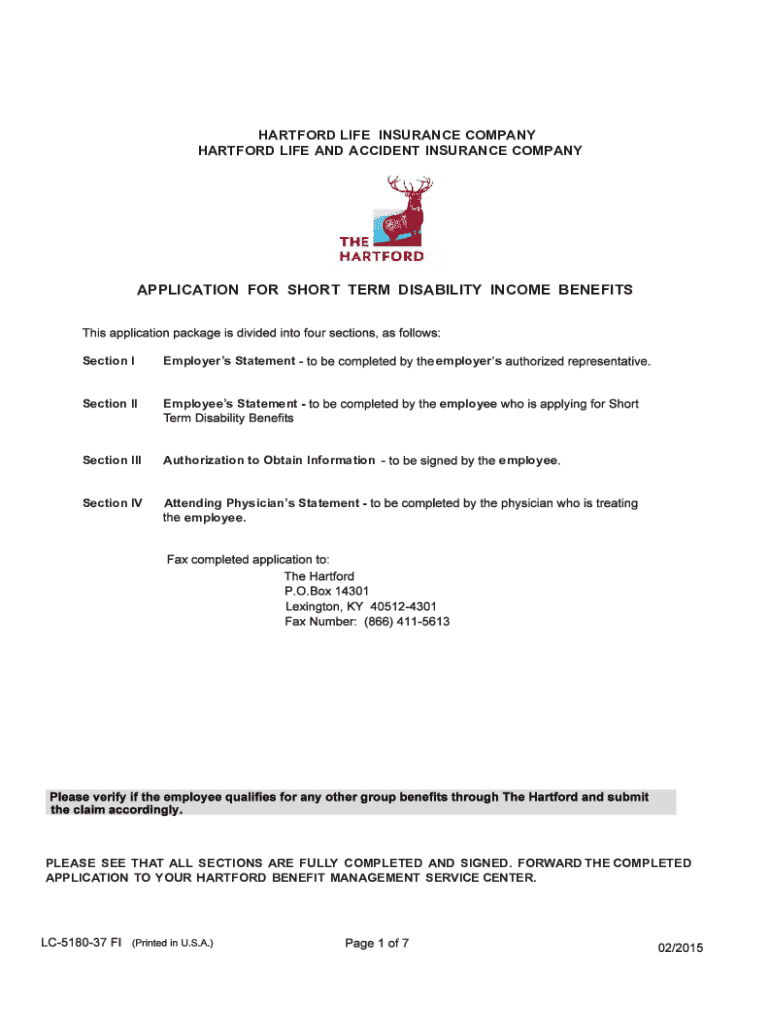







Definition and Meaning of Form Online
Online forms are digital versions of traditional paper forms, designed to be completed and submitted via the internet. These forms can range from simple contact forms to complex applications and questionnaires that require multiple inputs. The ability to access and complete forms online streamlines data collection and processing, making them indispensable in today's digital age for both businesses and individual users.
How to Use the Form Online Effectively
To effectively use an online form, the first step is understanding its purpose and ensuring that you have all necessary information at hand. Follow these steps for a smooth experience:
- Access the Form: Load the form through a web browser or a document management platform like DocHub.
- Review Instructions: Carefully read any provided instructions to avoid errors.
- Input Information: Enter the required data into the designated fields. Use dropdowns, checkboxes, or text boxes as needed.
- Review and Verify: Double-check entered information for accuracy and completeness.
- Submit: Follow the prompts to submit the form. This could be through a "Submit" button for personal forms or specific submission steps if integrated into a business workflow.
Steps to Complete the Form Online
Completing an online form generally involves structured steps to ensure accuracy and completeness:
- Identify Required Fields: Look for fields marked as required; these must be completed before submission.
- Attach Supporting Documents: Some forms may require documents like identification proofs or financial statements. Ensure you have digital copies ready for upload.
- Fill Out Contact Information: Include your name, email, phone number, and address if applicable.
- Add Additional Information: Depending on the form, there may be sections for personal statements or descriptions relevant to the form's purpose.
- Digital Signature: Apply a digital signature if required; platforms like DocHub offer legally binding e-signature options.
Why You Should Use Form Online
Utilizing forms online provides numerous advantages, including:
- Convenience: Access and complete forms anytime, anywhere, using a computer or mobile device.
- Efficiency: Streamlined submission process with instant delivery.
- Accuracy: Built-in validation can reduce errors by guiding users to complete mandatory sections accurately.
- Security: Platforms like DocHub offer secure encryption, ensuring user data is protected.
- Cost-Effectiveness: Reduces the need for physical paper, postage, and storage.
Key Elements of the Form Online
Comprehending the key components of an online form equips users with the ability to interact with them effectively:
- Header and Title: Displays the form name and purpose.
- Form Fields: Input areas for entering responses, such as text fields, checkboxes, and radio buttons.
- Instructions and Help: Guideline sections providing directions or examples on how to fill specific sections.
- Save and Continue Options: Some forms allow users to save progress and complete sections in multiple sessions.
- Submission Confirmation: Acknowledgement upon successful submission, often with reference numbers for tracking.
Legal Use of Forms Online
The legality of online forms often depends on compliance with digital transaction laws such as the Electronic Signatures in Global and National Commerce Act (ESIGN). DocHub ensures forms and signatures are legally binding by meeting these standards. Users in the U.S. can confidently utilize online forms for various official purposes, including contracts, applications, and data submissions.
Compatibility with Business Software
Online forms can integrate seamlessly with multiple business software solutions:
- Integration: Many forms are compatible with software like QuickBooks, TurboTax, and Microsoft Office Suite, allowing data synchronization and management.
- API Support: Advanced platforms offer API connections for custom integrations.
- Document Management Software: Platforms like DocHub ensure that forms work with cloud storage solutions, facilitating easy import and export of documents from services such as Google Drive and Dropbox.
State-Specific Rules for Form Online
In the United States, online form usage can be subject to varying state laws and regulations:
- Compliance Requirements: Each state may have unique compliance requirements for digital forms, especially those used in legal or governmental contexts.
- State-Specific Fields: Some forms may include fields or sections specific to certain jurisdictions, like state taxes or business licenses.
- Document Retention and Submission Laws: Regulations on how long documents must be retained and specific submission protocols can differ by state.
Examples of Using Form Online
Real-world applications of online forms are vast and multifaceted:
- Tax Filings: Individuals and businesses use forms to submit state and federal tax documents electronically, simplifying compliance.
- Job Applications: Companies often use comprehensive online forms to collect applicant information efficiently.
- Customer Feedback: Businesses employ online forms to gauge customer satisfaction and gather insights for improvement.
- Healthcare: Patients can complete medical history forms online, reducing wait times in clinics and enhancing patient record management.




