





Definition & Meaning
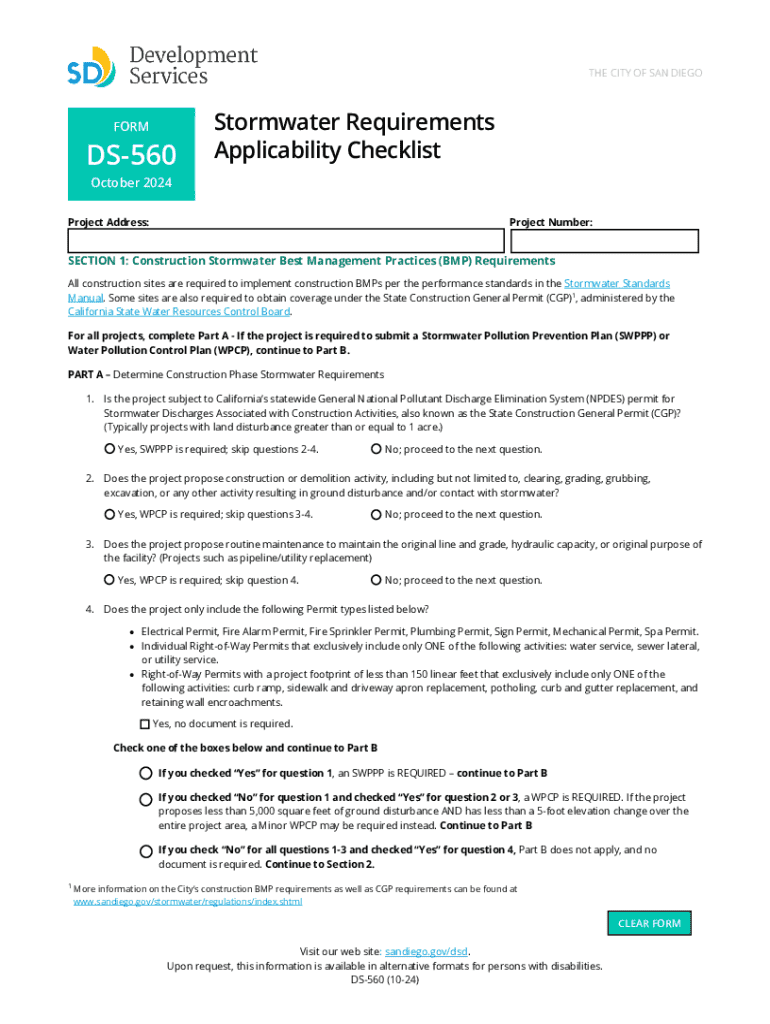
The term "form online" refers to digital versions of documents that are designed to be filled out and submitted through electronic means. These forms are typically accessed via a web browser and offer users the flexibility to input data without the need for paper. Online forms are widely used across various sectors such as governmental processes, business applications, academic admissions, and more. By utilizing an online form, users can streamline data collection and ensure swift electronic submission. This approach not only saves time but also reduces the margin for error often associated with manual data entry.
- Online forms often include fields for personal information, consent, or specific data entry relevant to the form's purpose.
- They are secured with encryption to protect users' privacy and data integrity during transmission and storage.
- Some commonly known online forms include tax documents, membership applications, and service request forms.
How to Use the Form Online
Using an online form involves several straightforward steps designed to facilitate efficient data entry. Most platforms, including DocHub, offer user-friendly interfaces that guide you through the process:
- Access the Form: Open the form link provided via email, website, or shared directly from a cloud service.
- Fill Out the Necessary Fields: Enter the required information in the respective fields, such as text boxes and checkboxes.
- Review Your Entries: Before submitting, carefully review all entries to ensure accuracy and completeness.
- Submit the Form: Once satisfied with your entries, submit the form by clicking the designated button.
- Confirmation: After submission, users typically receive a confirmation email or message acknowledging receipt of the form.
Steps to Complete the Form Online
Completing an online form may differ slightly depending on the platform or service. However, a general step-by-step process is often similar:
- Open the Form: Access the form through a web portal or service.
- Log In or Register: Some services may require registration or login for secure access.
- Complete Required Fields: Fill out all mandatory sections marked with an asterisk (*) or specified as required.
- Attach Any Required Documents: Upload digital copies of any necessary supporting documentation (e.g., ID proofs, letters).
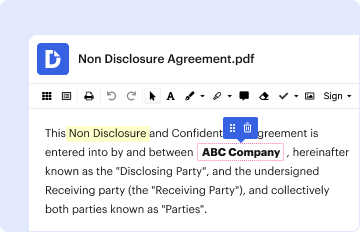
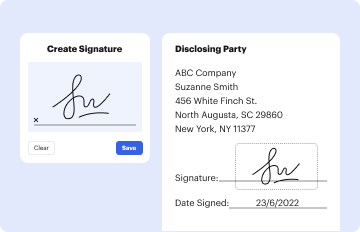
- Digitally Sign the Form: Use the digital signature feature for legal compliance, if applicable.
- Submit Form: Finalize the process by submitting the form electronically.
- Save or Print Confirmation: Preserve a digital or physical copy of the confirmation for future reference.
Important Terms Related to Form Online
Navigating online forms effectively involves understanding several key terms:
- Encryption: A method to secure data during transmission, ensuring that information is protected from unauthorized access.
- Digital Signature: An electronic form of a signature that validates the identity of the signer and confirms document integrity.
- Cloud Storage: Online services used to store data, accessible from any internet-connected device, often used to upload or receive forms.
- User Interface (UI): The layout and design of the form that enhances user interaction and accessibility.
Legal Use of the Form Online
Online forms offer legally compliant methods for conducting various formal and transactional activities:
- Electronic Signatures: As per the ESIGN Act, electronic signatures are as legally binding as handwritten ones when properly executed.
- Regulatory Compliance: Online forms must conform to jurisdiction-specific privacy laws, such as GDPR in Europe or CCPA in California.
- Record Keeping: Digital forms create an automatic trail of submissions and updates, facilitating easy retrieval of documentation for legal audits or disputes.
Key Elements of the Form Online
Online forms typically consist of several crucial elements that enhance functionality and clarity:
- Form Fields: Structured areas where users input data, including text boxes, radio buttons, and dropdown menus.
- Guidance Text: Instructions or tips provided to assist users in accurately completing sections of the form.
- Validation Features: Built-in checks that guide users by pointing out errors or omissions before submission.
- Submission Confirmation: An automated message or email delivered post-submission to assure users of successful completion.
Software Compatibility
Many online forms are designed to integrate smoothly with popular software programs, enhancing usability:
- DocHub: Integrates with Google Workspace, supporting seamless document editing and sharing.
- TurboTax & QuickBooks: Widely used for financial documents and tax-related forms, providing integration with accounting and tax filing software.
- PDF Tools: Online forms often allow exportation and editing in PDF format, compatible with most modern document management tools.
Benefits of Using Online Forms
The advantages of adopting online forms over traditional paperwork are significant for both individuals and organizations:
- Efficiency: Speeds up data gathering processes by eliminating the need to print, distribute, or manually process forms.
- Cost-effective: Reduces expenditures on paper, printing, and postal services.
- Environmentally Friendly: Minimizes paper usage, contributing to conservation efforts.
- Accessibility: Allows forms to be filled and submitted from practically anywhere with internet access.
Examples of Using the Form Online
Online forms find practical applications across various scenarios and industries:
- Job Applications: Facilitates the employment application process, allowing candidates to submit resumes and cover letters electronically.
- Healthcare Intake: Patients can complete pre-visit health history forms online for more efficient appointment processing.
- Educational Admissions: Students apply to schools or universities online, with forms that capture academic records and personal statements.
- Government Services: Programs like driver's license renewals and tax filings increasingly provide online submission options.