





Definition & Meaning
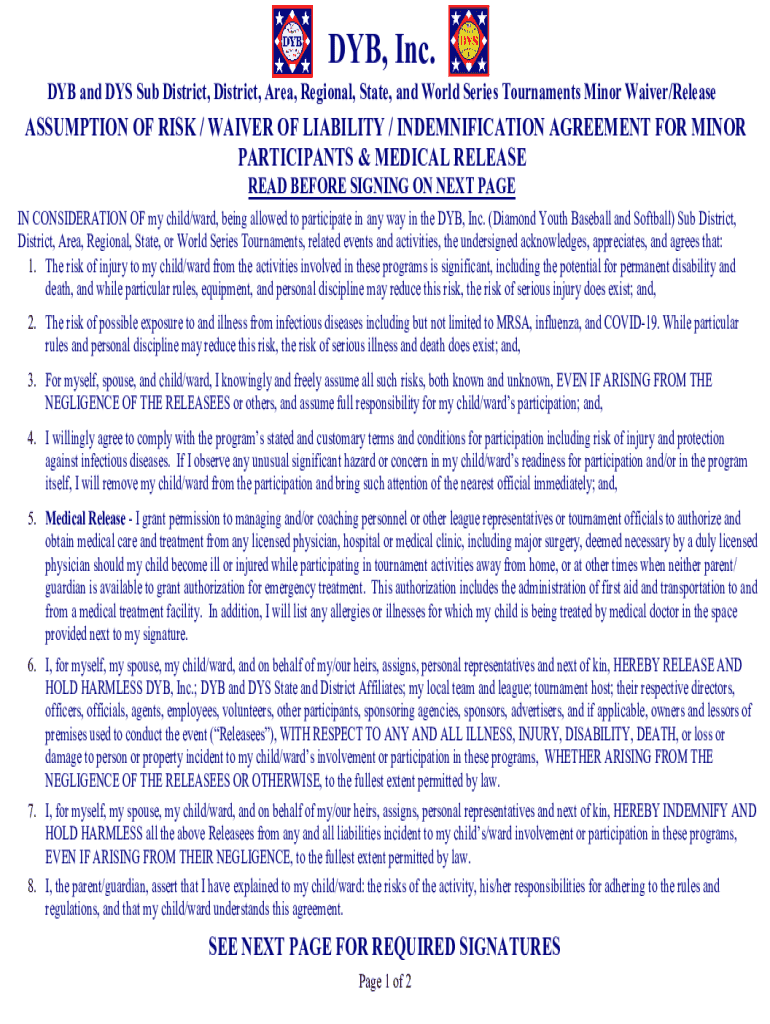
Understanding the concept of completing a "form online" is crucial for individuals and businesses that manage documents digitally. An online form refers to an electronic version of a paper form that users fill out on a website or platform. These forms can range from simple contact forms to complex applications and are commonly used for data collection, surveys, and registrations. They allow users to input information directly into fields, making the process efficient and paperless.
Importance of Online Forms
- Efficiency: Online forms streamline the data collection process by eliminating the need for physical paperwork.
- Accessibility: Users can access forms from any device with internet connectivity, providing flexibility and convenience.
- Automation: Many online forms integrate with databases and software to automatically store and process responses.
How to Use the Form Online
Using a form online typically involves a few straightforward steps. Understanding this process can help ensure that you utilize online forms effectively and gather the needed data efficiently.
Steps for Completion
- Access the Form: Navigate to the website or platform hosting the form, such as DocHub, where you can find a variety of templates.
- Fill in the Required Fields: Enter your information in the specified fields. Mandatory fields are often marked with an asterisk.
- Review Your Entry: Before submitting, review all entries to ensure that the information is accurate and complete.
- Submit the Form: Click the submit button to send your completed form to the designated recipient or database.
Tools and Features
- Auto-Save: Many platforms offer auto-save functionality to prevent data loss during the form-filling process.
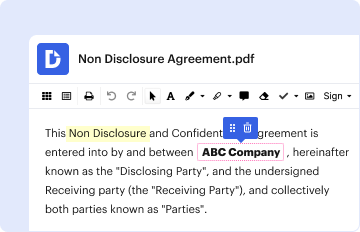
- Validation Checks: Ensure data accuracy with built-in validation checks that highlight input errors.
Steps to Complete the Form Online
Completing an online form involves careful attention to detail to ensure all necessary information is accurately provided. Each step in this process is integral to a successful submission.
Step-by-Step Instructions
- Locate the Form: Find the desired form on your chosen platform or website. Often, platforms like DocHub will categorize forms for easy navigation.
- Initiate Data Entry: Begin entering your details, taking care to fill out each section thoroughly.
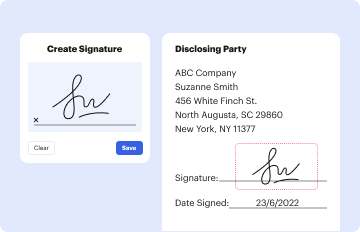
- Utilize Form Features: Make use of form features such as dropdown menus, radio buttons, and checkboxes for efficient data entry.
- Verify Information: Double-check entries for precision and clarity, ensuring that all mandatory fields are filled.
- Final Submission: Once confirmation of accuracy is obtained, submit the form and await confirmation, often provided via email or a confirmation page.
Common Mistakes to Avoid
- Omitting mandatory fields leading to invalid submissions.
- Typos and inaccuracies in textual entries.
- Overlooking specific instructions or guidelines.
Why Should You Form Online
The rationale for using forms online is rooted in the benefits of technology-driven processes. With the rise of digital platforms, transitioning to forms online offers significant advantages.
Advantages of Online Forms
- Cost-Effective: Reduces the need for physical materials like paper and ink.
- Time-Saving: Speeds up the data entry and collection process.
- Environmentally Friendly: Minimizes paper waste, fostering sustainable practices.
Real World Applications
- Businesses: Collect customer feedback and conduct registrations.
- Education: Facilitates teacher evaluations and student surveys.
- Healthcare: Allows for easy patient intake forms and appointment requests.
Key Elements of the Form Online
An online form typically comprises several elements designed to facilitate efficient data capture. Recognizing these elements is fundamental for effective utilization.
Fundamental Components
- Input Fields: Text boxes where users type in their information.
- Selection Options: Checkboxes, radio buttons, and dropdown lists for predefined answers.
- Action Buttons: 'Submit' or 'Reset' buttons to finalize the form process.
Important Terms Related to Form Online
Familiarity with fundamental terms associated with online forms enhances user comprehension and interaction effectiveness.
Glossary of Key Terminology
- Captcha: A security feature to differentiate between human and automated form submissions.
- Form Field: Areas within a form designated for users to enter data.
- Data Encryption: The process of encoding information to prevent unauthorized access.
Software Compatibility
Ensuring compatibility between your forms and various software increases accessibility and integration capability.
Integration with Platforms
- Google Workspace: Import and export forms seamlessly.
- Accounting Software: Compatibility with platforms like QuickBooks for financial forms.
State-Specific Rules for the Form Online
Certain online forms may need to adhere to state-specific regulations or guidelines, particularly in the United States, ensuring compliance.
Variation by Jurisdiction
- Legal Compliance: Forms may need to conform to state laws, impacting areas such as tax submissions and healthcare documentation.
- Customization Needs: Some states may require additional fields or disclaimers on standard forms.
Understanding these detailed aspects of completing a form online can greatly enhance efficiency and effectiveness, providing a comprehensive framework for digital document management.