01. Edit your form online
Type text, add images, blackout confidential details, add comments, highlights and more.


Type text, add images, blackout confidential details, add comments, highlights and more.

Draw your signature, type it, upload its image, or use your mobile device as a signature pad.

Send it via email, link, or fax. You can also download it, export it or print it out.
The "Affidavit for Initial Taxable Period" is a crucial document used by businesses to confirm their obligations regarding tax collection and remittance. This affidavit is a sworn statement that certifies a business's responsibility to collect and remit taxes to the relevant authority during its initial taxable period. It typically includes details such as the business name, address, and tax account number, along with the initial taxable day. The document must be signed and notarized to affirm the authenticity and accuracy of the information provided.
Businesses can utilize the affidavit to formally acknowledge their tax obligations at the start of their business operations. This document is crucial for maintaining compliance with tax regulations. Once completed, the affidavit should be submitted to the appropriate government office, which in some cases might be the local Department of Finance. It serves as a formal record that the business has recognized its tax responsibilities and is prepared to engage in regular tax activities such as filing returns and making tax payments.
Consider a new restaurant in Chicago. Upon opening, they need to file the "Affidavit for Initial Taxable Period" with the City of Chicago’s Department of Finance. This ensures they are on record as a tax-collecting entity from day one.
The affidavit contains several essential components that must be completed accurately to ensure compliance:
Legally, the affidavit serves as a binding declaration of a business’s intent and obligation to commence tax-related operations. By submitting this form, a business commits to comply with tax laws applicable to its operations from the outset. It becomes part of the official records used by tax authorities to track compliance. Failure to properly complete or submit this affidavit may lead to legal consequences, including potential fines and penalties.
Businesses must submit the affidavit within a specific timeline, typically before or shortly after initiating taxable activities. For instance, some jurisdictions might require filing within 30 days from the commencement of business operations. Missing these deadlines can result in penalties or delays in recognizing the business as a registered tax collection agent.
When preparing to complete the affidavit, businesses should have the following documents on hand:
Failing to file the affidavit on time or providing false information may lead to various penalties. These can include:
In Chicago, a business that fails to file the affidavit might incur immediate monetary fines and could also face ongoing assessments from the financial department, adding pressure to maintain compliance in future reporting periods.
These outlined aspects of the "Affidavit for Initial Taxable Period" reflect the document's importance within the broader framework of business tax obligations and the procedural steps necessary to ensure proper compliance.
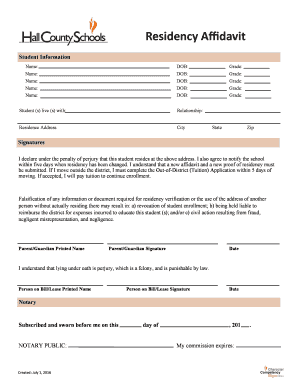
We've got more versions of the Affidavit for Initial Taxable Period form. Select the right Affidavit for Initial Taxable Period version from the list and start editing it straight away!
At DocHub, your data security is our priority. We follow HIPAA, SOC2, GDPR, and other standards, so you can work on your documents with confidence.