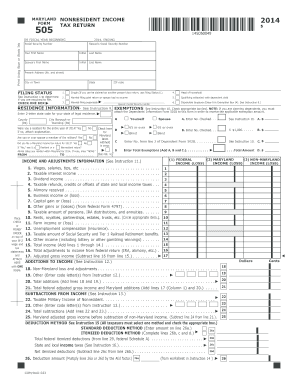
01. Edit your statement of compliance online
Type text, add images, blackout confidential details, add comments, highlights and more.

Type text, add images, blackout confidential details, add comments, highlights and more.

Draw your signature, type it, upload its image, or use your mobile device as a signature pad.

Send compliance statement via email, link, or fax. You can also download it, export it or print it out.
The "weekly payroll records report statement of compliance" is a mandated document required for contractors and subcontractors involved in public works projects, primarily within the United States. It serves as a comprehensive record verifying adherence to various wage laws and employment standards. This document ensures that all records pertaining to payroll are maintained accurately for review and compliance purposes, and it typically includes detailed employment data such as wages, hours worked, and apprentice identification.
A critical aspect of this document is its role in verifying that labor standards, including those governed by prevailing wage laws, are upheld. The statement of compliance attached to this report acts as an affirmation that all remunerations align with legal requirements, making it an indispensable element in public sector project management. This ensures accountability and transparency, safeguarding the rights of workers and aligning with regulatory requirements.
To further clarify the importance, the document can act as a legal assertion, confirming that every worker is compensated fairly according to state or federal laws. By integrating this process into weekly submissions, it becomes easier for regulatory bodies to monitor ongoing compliance rather than retrospectively assessing at the project's end.
The report includes several fundamental components that ensure comprehensive compliance monitoring. These elements are:
Each of these components plays a crucial role in creating a transparent process that benefits both employers and workers by ensuring equitable treatment and accurate record-keeping. Failures or discrepancies in these areas can lead to significant penalties.
Fulfilling this reporting requirement involves a structured approach to ensure that all necessary information is collected and verified. Here is a step-by-step guide:
This structured approach allows for efficient gathering and reporting of required information, minimizing errors and facilitating smoother compliance processes.
The legal significance of these reports is paramount, as they are a protective measure both for the workers and the employers. They ensure compensation fairness and provide a structured framework for potential audits.
Potentially, failure to maintain or submit these reports correctly can result in audits, fines, or litigation, emphasizing the importance of their meticulous and consistent completion.
Different stakeholders in public works and government projects utilize these reports to ensure project compliance and accountability:
By identifying who uses these reports and their roles, insights into their significance within the wider context of public works become evident.


Several critical terms are associated with the weekly payroll records report statement of compliance, each contributing to thorough understanding and accurate completion:
Understanding these terms is crucial for interpreting the legal and operational requirements of the document, ensuring its correct and effective use.
Non-compliance with the weekly payroll records report statement regulations can lead to significant repercussions:
These potential penalties underscore the importance of ensuring accurate and timely submission of the payroll records report and adhering to labor law provisions.
Each state may have unique requirements or additional regulations concerning payroll records and compliance reports:
Understanding these state-specific requirements ensures that businesses stay compliant with local mandates, tailoring their reporting to meet the respective regulations. This awareness is essential for compliance and operational success, given variances in state laws.
We've got more versions of the statement of compliance form. Select the right statement of compliance version from the list and start editing it straight away!
| Versions | Form popularity | Fillable & printable |
|---|---|---|
| 2006 | 4.5 Satisfied (43 Votes) |
At DocHub, your data security is our priority. We follow HIPAA, SOC2, GDPR, and other standards, so you can work on your documents with confidence.