470-4401 Foster Child Behavioral Assessment - dhs iowa-2026

Get Form
470-4401 Foster Child Behavioral Assessment - dhs iowa Preview on Page 1

Here's how it works

01. Edit your form online
Type text, add images, blackout confidential details, add comments, highlights and more.

02. Sign it in a few clicks
Draw your signature, type it, upload its image, or use your mobile device as a signature pad.

03. Share your form with others
Send it via email, link, or fax. You can also download it, export it or print it out.

Definition and Purpose of the Foster Child Behavioral Assessment

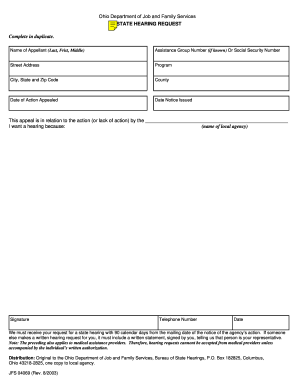
The " Foster Child Behavioral Assessment" is a formal document used by the Iowa Department of Human Services (DHS) to evaluate and document the behavioral, emotional, and physical needs of foster children. This form helps determine the level of care necessary for each child in the foster system by cataloging various aspects of their behavior and needs. The assessment is crucial in categorizing the care requirements into minimal, moderate, and intensive levels, ultimately determining the daily rate of foster care compensation.

  • Identifying Information: This section includes basic identifying details about the child, such as their name, age, and other relevant demographic information.
  • Types of Assessments: The form involves multiple types of assessments focusing on emotional, behavioral, and physical care needs to provide a comprehensive understanding of the child's requirements.

How to Use the Foster Child Behavioral Assessment

The usage of the " Foster Child Behavioral Assessment" requires careful attention to detail to ensure accurate representation of the child's needs.

  1. Initial Assessment: Caregivers and social workers should perform an initial evaluation using the form soon after the child's placement.
  2. Ongoing Updates: The assessment should be updated regularly to reflect any changes in the child's behavior or circumstances.
  3. Collaboration: Involve all relevant stakeholders, including social workers, therapists, and foster parents, to provide input for a holistic view of the child’s needs.

Obtaining the Foster Child Behavioral Assessment

To obtain the " Foster Child Behavioral Assessment" form, professionals and stakeholders can contact the Iowa Department of Human Services directly or access it through their official online portals. The form is often distributed to foster care agencies and social workers as part of their regular toolkit when dealing with new placements.

  • Online Resources: DHS websites and portals offer downloadable versions of the form.
  • Direct Requests: Agencies can request physical copies from DHS offices.

Steps to Complete the Foster Child Behavioral Assessment

Completing the assessment accurately is crucial for the well-being of the child and the foster care placement.

  1. Gather Information: Compile all necessary background data and observations related to the child.
  2. Document Observations: Use the form fields to record observations of the child's emotional, behavioral, and physical aspects.
  3. Assign Care Levels: Based on accumulated data, categorize the needs into minimal, moderate, or intensive care levels.
  4. Review and Submit: Conduct a thorough review to ensure all information is correct, then submit to the appropriate department or case worker.

Importance of the Foster Child Behavioral Assessment

The assessment serves as a critical tool for guiding the care and placement strategies for foster children. It ensures that the child's unique needs are identified and met, promoting a more stable and supportive environment. This, in turn, assists in providing appropriate resources and interventions that align with the child's best interests.

  • Resource Allocation: Determines financial and logistical resources necessary for the child's care.
  • Care Planning: Informs decision-making regarding interventions and support services.

Users and Stakeholders of the Foster Child Behavioral Assessment

The primary users of this form include foster care agencies, social workers, and child welfare professionals who are directly involved in the placement and care of foster children. These stakeholders rely on the form for guiding day-to-day care decisions and monitoring the child's developmental progress.

  • Foster Parents: Provide firsthand observations and data based on daily interactions.
  • Social Workers: Utilize the data for case planning and follow-up assessments.

Key Elements of the Foster Child Behavioral Assessment

The form comprises various critical elements that need thorough attention:

  • Behavior Checklist: Items that capture a comprehensive view of the child’s daily and habitual behaviors.
  • Emotional and Physical Health Indicators: Specific fields addressing the child's emotional responses and physical health aspects.

State-Specific Regulations for the Foster Child Behavioral Assessment

Since this form is administered by the Iowa Department of Human Services, it adheres to state-specific regulations and guidelines. Understanding these state-centric rules is essential for its proper application.

  • Regulatory Compliance: Ensure all assessments align with Iowa state laws regarding child welfare and protection.
  • Training Requirements: Professionals involved often need specific training to administer and interpret the form correctly.

This comprehensive coverage ensures stakeholders responsible for filling out and interpreting the form use it effectively for the benefit of foster children in need.

be ready to get more

Complete this form in 5 minutes or less

Get form

Got questions?

We have answers to the most popular questions from our customers. If you can't find an answer to your question, please contact us.
Contact us
Foster and adoption licensing requirements You dont have to be married. You can rent or own where you live. You dont have to live in a house. Be at least 21 years old (There is no maximum age for a parent as long as you are physically and mentally stable. You dont need parenting experience (training is provided)
Iowa Foster Care Service Level of CareAmount per day Basic + Level 2 0-5 years $22.43 6-11 years $23.13 12-15 years $24.87 16-20 years $25.13 Basic + Level 3 0-5 years $27.24 6-11 years $27.94 12-15 years $29.68 16-20 years $29.94 Maintenance Plus 0-5 years $32.06 6-11 years $32.76 12-15 years $34.50 16-20 years $34.761 more row
Key Takeaways. Adoptive parents are generally not paid to adopt a child, but foster parents get monthly payments to cover child care costs.

Security and compliance

At DocHub, your data security is our priority. We follow HIPAA, SOC2, GDPR, and other standards, so you can work on your documents with confidence.
Learn more
ccpa2
pci-dss
gdpr-compliance
hipaa
soc-compliance