Dade property appraiser 2026

Get Form
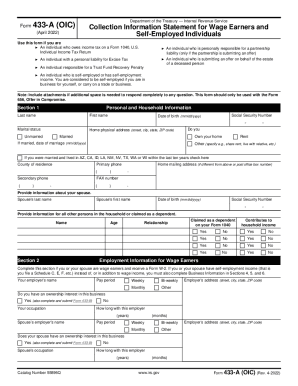
dade county property appraiser Preview on Page 1

Here's how it works

01. Edit your dade county property appraiser online
Type text, add images, blackout confidential details, add comments, highlights and more.

02. Sign it in a few clicks
Draw your signature, type it, upload its image, or use your mobile device as a signature pad.

03. Share your form with others
Send miami dade property appraiser via email, link, or fax. You can also download it, export it or print it out.

Definition & Meaning

The "Dade Property Appraiser" is an official document used for assessing and reporting the value of tangible personal property within Miami-Dade County. It is predominantly utilized by businesses to declare assets that are employed for commercial operations. This document plays a critical role in determining the tax obligations for properties used in business, ensuring compliance with local tax laws and regulations. Accurately reporting this information is essential as it affects the amount of property taxes to be paid, thereby impacting financial planning and budgeting for businesses.

How to Use the Dade Property Appraiser

Using the Dade Property Appraiser form involves detailing various aspects of a business's tangible personal property. Users should list all relevant items—such as furniture, equipment, and machinery—and their respective values. It is vital to ensure that each item is described accurately, and valuations are based on current market estimates. This process helps in ensuring the assessment aligns with the true tax obligations. Additionally, businesses must adhere to any specific instructions or guidelines provided with the form to avoid errors and potential penalties.

Steps to Complete the Dade Property Appraiser

  1. Gather Your Documentation: Collect information regarding all tangible personal property owned by your business, including purchase records and valuations.
  2. Accurate Valuation: Determine the current market value for each item. This may require consulting with appraisers or using internal asset valuation methods.
  3. Complete the Form: Enter all necessary details on the form, ensuring accuracy in descriptions and values.
  4. Double-Check Entries: Review entries to ensure there are no missing items and that all information is correct.
  5. Submit: Follow the instructions for submission, whether it is through online portals, mail, or in-person, as dictated by your jurisdiction.

Important Considerations

  • Required Fields: Ensure all mandatory fields are filled to prevent form rejection.
  • Documentation: Retain copies of the completed form and all supporting documentation for your records.

Why Should You Use the Dade Property Appraiser

Utilizing the Dade Property Appraiser form is crucial for several reasons:

  • Compliance: It helps maintain compliance with local tax regulations by properly declaring taxable assets.
  • Financial Accuracy: Accurate reporting ensures that businesses pay an appropriate amount of taxes, avoiding overpayment.
  • Avoiding Penalties: Timely and precise completion of the form helps avoid fines or penalties imposed for non-compliance or late submission.
  • Strategic Planning: Businesses can use the reported data for financial analysis and inventory management, aiding in informed decision-making.

Who Typically Uses the Dade Property Appraiser

The primary users of the Dade Property Appraiser tend to be business owners and managers in Miami-Dade County who need to assess the value of their company's tangible personal property. This includes businesses of various sizes and sectors, such as retail stores, manufacturing firms, technology companies, and service providers. Additionally, accountants and tax professionals involved with preparing business taxes may also use the form to ensure that their clients’ tax filings are accurate and complete.


decoration image ratings of Dochub

Important Terms Related to Dade Property Appraiser

  • Tangible Personal Property: Physical items owned by a business such as equipment, machinery, and furniture.
  • Market Value: The estimated amount for which an asset should exchange between a willing buyer and seller.
  • Depreciation: The reduction in the value of an asset over time, often accounted for in valuations.
  • Tax Assessment: The determination of the value of personal property for taxation purposes.
  • Exemptions: Possible reductions in tax obligations that a business might qualify for under specific regulations.

Required Documents

To accurately complete the Dade Property Appraiser form, businesses will typically need to provide the following documents:

  • Purchase Receipts: Proof of acquisition for tangible personal property.
  • Appraisal Reports: Professional valuations of assets when applicable.
  • Depreciation Schedules: Records detailing the depreciation of assets over time.
  • Inventory Lists: Comprehensive lists outlining all tangible personal property owned by the business.
  • Prior Year Filings: Previous years' property tax filings for reference and accuracy.

Filing Deadlines / Important Dates

Businesses must adhere to specific deadlines when submitting the Dade Property Appraiser form to ensure compliance and avoid penalties. Generally, the deadline for submission aligns with the end of the tax year, though it is important to consult Miami-Dade County’s property appraiser’s office for precise dates. Late filings can attract penalties, so businesses should plan well in advance to gather all necessary documentation and complete the form by the specified deadline.

Penalties for Non-Compliance

Non-compliance with the Dade Property Appraiser filing requirements can lead to various penalties, including:

  • Monetary Fines: Businesses may incur fines for late submission or incorrect filing.
  • Interest Charges: Penalties can accrue interest if they remain unpaid for extended periods.
  • Legal Consequences: Persistent non-compliance could ultimately result in legal action or sanctions against the business.
  • Loss of Exemptions: Missing deadlines or filing incorrectly might lead to losing eligibility for certain tax exemptions, affecting the overall tax liability of a business.
be ready to get more

Complete this form in 5 minutes or less

Get form

Got questions?

We have answers to the most popular questions from our customers. If you can't find an answer to your question, please contact us.
Contact us
ASA has thousands of designated appraisal professionals throughout the world. Our Find an Appraiser tool will help you locate one quickly and easily for any type of property, business or for an appraisal review.
Tomas Regalado, Property Appraiser. Property Appraiser Tomas Regalado was born in Havana, Cuba, and arrived in Miami in 1962 as part of Operation Pedro Pan. At a young age, Mr. Regalado began a prominent career in journalism working at various radio and television stations including WFAB, WCKT, and WLTV.
Pedro Garcia was the Miami-Dade County Property Appraiser in Florida. Garcia assumed office in 2008. Garcia left office on January 7, 2025. Garcia won re-election for Miami-Dade County Property Appraiser in Florida outright in the primary on August 18, 2020, after the general election was canceled.
appraised value: How do they compare? The appraised value of your home represents the homes fair market value (what a buyer might expect to pay if you listed your house for sale on the market), while its assessed value is used to determine property taxes (which increase the larger your assessed value becomes).

Security and compliance

At DocHub, your data security is our priority. We follow HIPAA, SOC2, GDPR, and other standards, so you can work on your documents with confidence.
Learn more
ccpa2
pci-dss
gdpr-compliance
hipaa
soc-compliance