Definition and Meaning of Personal Information Consent Form
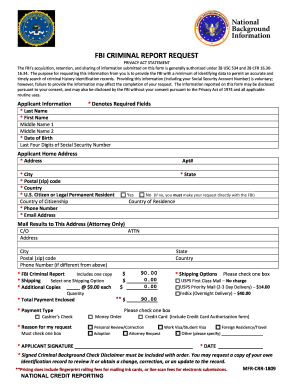
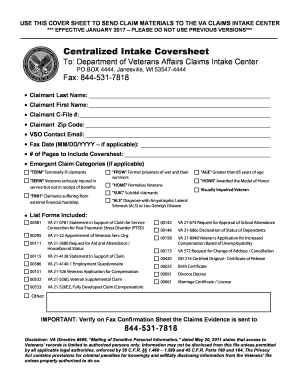
A personal information consent form is a legal document that authorizes the disclosure of an individual's personal data to a specific recipient. This can include personal details like name, address, and health information. Consent forms are commonly used in healthcare and legal environments to facilitate the sharing of information in a controlled and secure manner. The consent form ensures that the data subject has agreed to the disclosure, providing legal protection for both the discloser and the recipient.
- Purpose: To grant permission for the sharing of personal data.
- Typical Use Case: Hospitals may use these forms to share patient data with specialists or insurance companies.
- Legal Basis: Often required by laws such as the Health Insurance Portability and Accountability Act (HIPAA) to ensure compliance in the U.S.
How to Use the Personal Information Consent Form
Understanding the correct usage of a personal information consent form is essential for ensuring legal compliance and data privacy. The form is typically completed by the person whose information will be shared, also known as the data subject.
- Identify the Purpose: Clearly define why the information is needed.
- Specify the Recipient: Indicate who will receive the information and how it will be used.
- Duration of Consent: State the time period for which the consent is valid.
- Signature and Date: The data subject must sign and date the form to validate consent.
Steps to Complete the Personal Information Consent Form
Completing a personal information consent form requires careful attention to detail to ensure all necessary information is included and accurately recorded.
- Fill Personal Details: The data subject should provide their full name, address, and any other requested personal details.
- Detail Purpose and Scope: Clearly explain why the information is being shared and what specific data will be disclosed.
- List Authorized Recipients: Include the names of individuals or organizations permitted to receive the data.
- Set Expiry Date: Specify an expiration date for the consent if applicable.
- Sign the Form: The data subject must sign to give formal consent, and a witness may also be required for verification.
Who Typically Uses the Personal Information Consent Form
The personal information consent form is utilized by a broad range of fields for various purposes. Recognizing who typically uses these forms can help in understanding their widespread applicability.
- Healthcare Providers: To obtain patient consent for sharing medical information.
- Legal Professionals: For disclosing client information to courts or third-party legal entities.
- Educational Institutions: To share student records with authorities or other schools.
- Businesses: For marketing purposes, when sharing consumer information is necessary.


Legal Use of the Personal Information Consent Form
The legal use of a personal information consent form is anchored in privacy laws and regulations. It ensures that personal data sharing aligns with legal standards.
- Compliance with HIPAA: In the U.S., any consent for health information must comply with HIPAA regulations.
- Data Protection Laws: Consent must meet criteria set out in data protection laws, such as the General Data Protection Regulation (GDPR) outside the U.S.
- Validity: The form must be up-to-date and completed correctly to be legally binding.
Key Elements of the Personal Information Consent Form
Key elements of a personal information consent form are designed to capture all necessary information required to validate and process consent.
- Personal Information: Names, addresses, contact details, and other identifiers.
- Consent Statement: Specifies the data to be shared and the purpose of its use.
- Authorized Parties: Lists individuals and organizations permitted to receive the information.
- Expiry and Withdrawal Conditions: Details on how and when consent can be revoked.
State-Specific Rules for the Personal Information Consent Form
Certain states in the U.S. may have specific regulations that impact how personal information consent forms are drafted and used.
- California Consumer Privacy Act (CCPA): Requires explicit consent for data sharing in California.
- New York State Law: Has stringent requirements for patient consent in healthcare.
- Texas Privacy Protections: Emphasizes consumer rights in privacy consent forms.
Examples of Using the Personal Information Consent Form
Real-world examples can provide a clear understanding of how personal information consent forms are practically applied.
- Healthcare Scenario: A patient consents to their doctor sharing medical records with a specialist for further examination.
- Legal Scenario: An attorney requires a client's consent to share case files with a legal expert or court.
- Educational Scenario: A school needs parental consent to release a student’s educational records to another institution.
Understanding each of these facets is fundamental to effectively drafting, utilizing, and managing a personal information consent form in any professional context.