
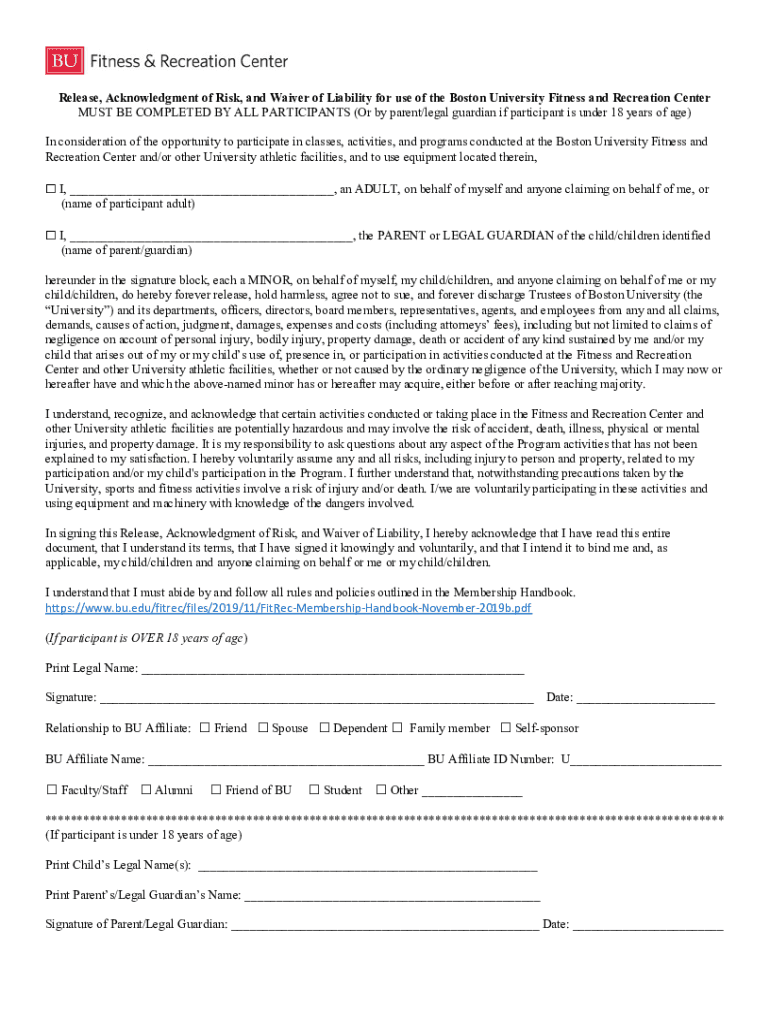







Definition & Meaning
The "Not responsible for lost or stolen items waiver" is a legal form used primarily by businesses and organizations to formally communicate that they are not liable for any personal property that is lost or stolen while on their premises. This document effectively shifts responsibility for personal belongings onto individual owners, emphasizing the importance of personal care over one's property. It serves as a protective measure for businesses, shielding them from potential claims or disputes related to lost or stolen items.
Key Elements of the Waiver
A comprehensive waiver typically includes several crucial components to ensure clarity and enforceability. Key elements include:
- Explicit Disclaimer: Clearly states the business's lack of responsibility for lost or stolen items, leaving no room for ambiguity.
- Scope of Application: Outlines the premises or situations this waiver covers, which could include specific areas within a building or particular events.
- Acknowledgment of Risks: Indicates that the signatory acknowledges the risks of bringing personal items into the specified area.
- Signature Line: Requires the participant's signature to confirm their understanding and agreement with the terms.
Inclusion of these elements ensures that all parties are fully aware of the terms and conditions stipulated within the waiver.
Who Typically Uses This Waiver
Various entities employ this form to protect themselves from liability related to personal property. Common users include:
- Fitness and Recreation Centers: These facilities see a high volume of personal belongings and use waivers to prevent liability for items left in lockers or common areas.
- Event Venues: Concerts, festivals, and conference centers often require attendees to sign waivers to avoid liability for personal property loss.
- Educational Institutions: Schools and universities might use these waivers during large events or field trips where personal belongings are at risk.
Entities that frequently host individuals carrying personal items view this waiver as essential for their risk management strategies.
Legal Use of the Waiver
Legally, the waiver serves as a contract between the business and its customers. Specific legal requirements must be met:
- Consent: Individuals must freely consent to the terms without any form of coercion.
- Clarity and Comprehension: The language used should be clear and understandable to ensure fair agreement.
- Compliance with State Laws: Depending on jurisdiction, additional disclosure requirements or specific language might be necessary for the waiver to be considered legally binding.
These legal provisions ensure the waiver is enforceable, providing the intended protection for businesses.
How to Use the Waiver
Implementing the waiver involves both drafting and logistical steps:
-
Drafting the Waiver: Work with legal professionals to draft a document that comprehensively covers all legal aspects and specific contexts where the waiver will be utilized.
-
Distribution: Present the waiver to customers or participants before allowing access to the covered premises or events. This could be done via online forms or physical copies, depending on accessibility.
-
Collection of Signatures: Ensure all individuals sign and date the waiver, signifying their understanding and acceptance of the terms.
Each step must be meticulously executed to ensure both legal compliance and practical effectiveness.
State-Specific Rules for the Waiver
While the waiver is broadly applicable, state laws can dictate specific conditions under which it operates. For example:
- California: Requires that waivers are written in a clear, conspicuous manner and are specifically tailored to the activity or arrangement.
- New York: Enforces strict guidelines about transparency and understanding, stressing the need for explicit consent.
Understanding specific state requirements is critical for ensuring the waiver's legality and effectiveness across different jurisdictions.
Variations and Alternatives
In some instances, variations of the waiver or alternative documents may be more appropriate:
- Conditional Waivers: Used in situations where certain conditions need to be met for the waiver to be applicable, providing a more tailored approach.
- Limited Liability Agreements: Focus on limiting liability to certain types of loss, offering a balance between customer assurance and legal protection for businesses.
Each type of document serves specific purposes and, when chosen correctly, can enhance the legal toolkit for businesses considerably.
Software Compatibility and Integration
Businesses increasingly use digital platforms to manage waivers efficiently:
- DocHub: Supports creating, signing, and storing digital versions of waivers, offering seamless integration with cloud storage and real-time collaboration.
- Other Platforms: Applications like TurboTax or QuickBooks might integrate waiver forms into broader business systems, streamlining record-keeping and compliance.
Choosing the right software depends on specific business needs, aiming for ease of use and comprehensive support for digital document management.




