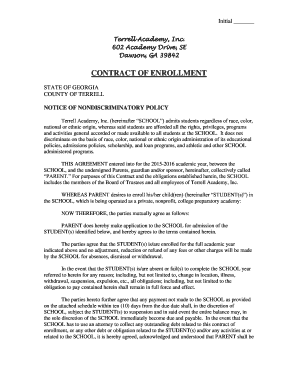
Definition and Meaning of the State of a Non-Compete Agreement
A non-compete agreement is a legal contract between an employer and an employee, restricting the employee from joining competitors or starting a similar business for a set period after leaving the company. The agreement ensures that the proprietary information and competitive advantage of a business are protected. Typically included in employment contracts, these agreements are particularly relevant in sectors where confidential information and trade secrets are integral to a company's success.
How to Use the State of a Non-Compete Agreement
Using a state-specific non-compete agreement involves tailoring the agreement's terms to align with state laws and regulations. It is crucial to incorporate the specific restrictions regarding duration, geographic location, and scope of activity. Employers should ensure that the agreement is clear about the definitions of competitors and competitive activities. Consulting with a legal expert familiar with local laws can ensure that the agreement remains enforceable in court.
Steps to Complete the State of a Non-Compete Agreement
- Identify Parties Involved: Clearly specify the employer and employee by name.
- Define Restriction Terms: Set the duration, geographic limits, and scope of restricted activities post-employment.
- Review Applicable Laws: Ensure the agreement complies with state-specific non-compete regulations.
- Detail Confidential Information: Describe what constitutes confidential information.
- Seek Legal Counsel: Consult with a legal professional to verify completeness and legality.
- Obtain Signatures: Ensure both parties sign and date the agreement to acknowledge their understanding and acceptance.
Key Elements of the State of a Non-Compete Agreement
There are several critical elements in a state-specific non-compete agreement:
- Restricted Duration: Indicates how long the non-compete clause remains effective.
- Geographic Scope: Defines the regions where the restrictions apply.
- Scope of Work and Activities: Details the specific jobs or roles that are prohibited.
- Legal Compliance: Aligns with state-specific legal frameworks to ensure enforceability.
- Severability Clause: Allows parts of the agreement to be invalidated without affecting the entire contract's validity.
Legal Use and Considerations of the State of a Non-Compete Agreement
Non-compete agreements must adhere to state laws regarding enforceability and should reflect the local jurisdiction's standards. Many states have specific rules limiting or defining the enforceability of these agreements. It is essential to ensure that these agreements are used fairly and are not overly restrictive, as courts often require a balance between protecting business interests and an individual's right to work.
State-Specific Rules and Variations
Each state may have different criteria and stipulations regarding the enforceability of non-compete agreements. For example:
- California: Generally views non-compete agreements as void and unenforceable except in specific situations, such as the sale of a business.
- Texas: Requires the agreement to be reasonable in terms of time, scope, and geography and that it is ancillary to an otherwise enforceable agreement.
- Florida: Permits more lenient enforceability but also emphasizes reasonable limitations.
Employers should research state-specific legislation to ensure compliance and enforceability.
Examples of Using the State of a Non-Compete Agreement
- Tech Industry: Protects trade secrets and technological innovations.
- Sales Positions: Prevents former employees from contacting or enticing existing customers.
- Healthcare Sector: Limits professionals from establishing practices nearby to reduce direct competition.
Each example demonstrates the balance between protecting business interests and maintaining fairness to employees.
Important Terms Related to Non-Compete Agreements
To fully understand non-compete agreements, it's essential to familiarize oneself with terms such as:
- Confidential Information: Includes trade secrets, client lists, and proprietary data.
- Solicitation Clause: Prevents an individual from enticing clients or employees away from the company.
- Garden Leave: Refers to a period during which an employee is paid but not permitted to work, often aligning with the non-compete duration to prevent immediate competition.
Understanding these terms can help both employers and employees navigate the complexities of non-compete agreements more effectively.