Definition and Meaning
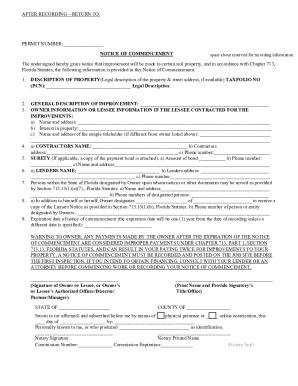
The Community Infrastructure Levy (CIL) form is a crucial document used for managing the financial contributions required from new developments to fund local infrastructure. This levy ensures that local authorities can support the growth and development of their communities by investing in necessary infrastructure like roads, schools, and public services. The CIL form, specifically known as "CIL Form 1: Assumption of Liability," is used to assume liability for the levy before the commencement of a development project.
Purpose of the CIL Form
- The primary purpose is to declare who will be responsible for paying the levy.
- It ensures that the liable party is clearly identified, preventing any confusion or disputes.
- It is part of a suite of forms used to manage the CIL process and ensure compliance with local regulations.
Context of Use
- Particularly used by developers, contractors, or individuals undertaking significant construction projects.
- Applicable to projects that increase the floorspace of existing buildings or create new buildings.
How to Use the CIL Form
To effectively use the CIL form, understanding the correct processes and requirements is essential. Here is a step-by-step guide on how to accurately complete and submit the form:
Step-by-Step Instructions
- Identify the Liable Party: Clearly designate who will be responsible for the levy. This could be a developer, landowner, or another interested party.
- Complete Required Sections: Accurately fill in all necessary fields, including site details and the assumed liability amount.
- Consult the Planning Authority: Engage with the local planning authority to ensure compliance with specific regional requirements and confirm the levy amount.
Submission Details
- The form must be completed and submitted before development begins to avoid penalties.
- It is typically submitted to the local planning authority, either in person, by mail, or through an available online portal.
How to Obtain the CIL Form
Obtaining the correct CIL form is a straightforward process, yet it requires attention to specific sources and steps:
Sources for the Form
- Local Planning Authority: The form is often available through the local government’s planning department.
- Online Access: Many authorities provide downloadable forms on their official websites.
Steps to Acquire the Form
- Visit Local Government Website: Navigate to the planning or development section for digital copies.
- Contact the Planning Office: Request the form directly if online access is not available.
Steps to Complete the CIL Form
Completing the CIL form accurately demands careful attention to detail and thorough knowledge of required information:
Detailed Completion Guide
- Site Information: Include precise details about the development site and project specifics.
- Assumed Liability Section: Declare the party responsible for the levy and the exact amount.
- Verification of Information: Ensure all information is accurate and consistent with planning documentation.
Common Errors to Avoid
- Incorrect Details: Providing inaccurate site information or financial figures can lead to form rejection or penalties.
- Incomplete Submission: Failing to complete all sections can delay processing.
Why Should You Use the CIL Form?
Understanding the significance of the CIL form is essential for compliance and effective project management:
Benefits of the CIL Form
- Legal Compliance: It ensures adherence to regional planning and development laws.
- Clear Financial Planning: Establishes financial expectations and commitments for infrastructure contributions.
Potential Consequences of Non-Use
- Non-compliance could result in penalties or project delays, impacting overall timelines and financial projections.
Who Typically Uses the CIL Form?
The typical users of the CIL form include a broad spectrum of professionals and entities involved in construction and development:


Key User Groups
- Developers: Those spearheading new residential or commercial projects.
- Contractors: Construction firms taking on large-scale building efforts.
- Property Owners: Individuals or businesses planning significant property expansions.
Situational Examples
- A housing developer expanding residential complexes.
- Commercial builders constructing retail or office spaces.
Important Terms Related to the CIL Form
Familiarity with essential terms related to the CIL form enhances understanding and effective form usage:
Glossary of Key Terms
- Liability: Financial obligation assumed by a party for the infrastructure levy.
- Infrastructure: Public services and facilities supported by the levy, such as transportation and schools.
- Planning Authority: Local government body responsible for overseeing compliance and form submissions.
Legal Use of the CIL Form
Using the CIL form correctly is necessary for legal and procedural compliance:
Regulatory Guidelines
- ESIGN Act Compliance: As forms can be submitted electronically, ensuring compliance with electronic signature regulations is crucial.
- Confidentiality Protocols: Maintaining the confidentiality of personal and financial information under data protection laws.
Legal Implications
- Adhering to submission rules and timelines avoids legal repercussions and potential financial liabilities.
This structure provides in-depth coverage, ensuring maximum utility and relevance for those engaged in the development process involving the CIL form.