





Definition & Meaning
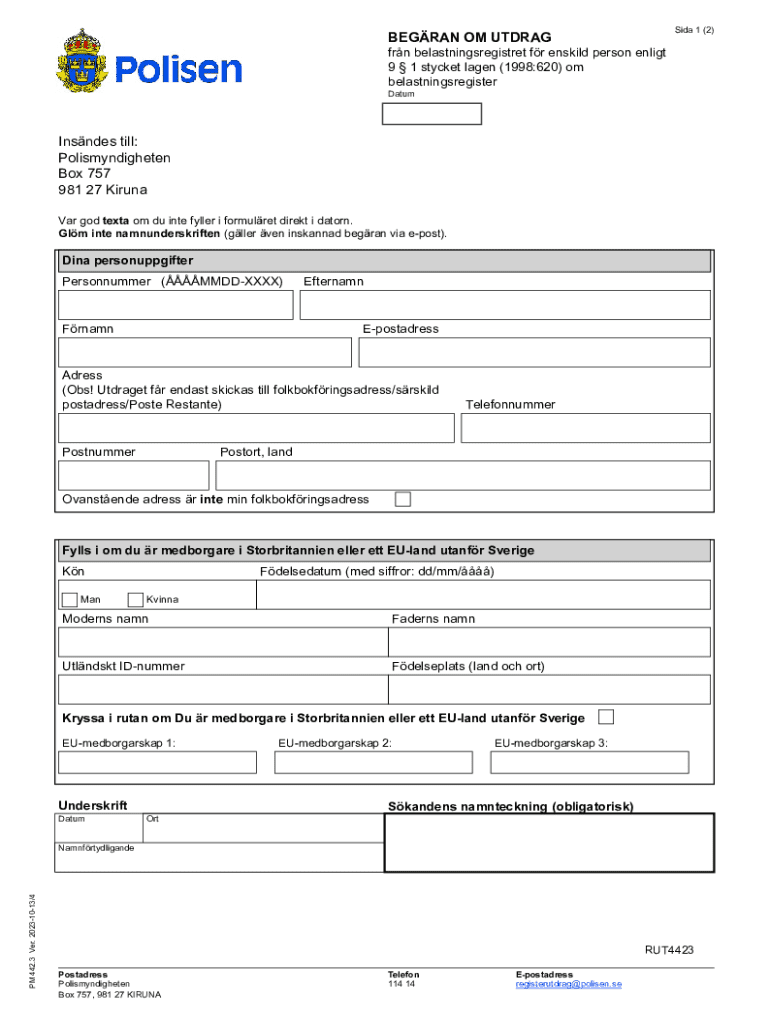
Filling out a form online refers to the process of completing various types of standardized documents using digital platforms rather than paper-based methods. This concept encompasses a wide range of applications, from simple surveys to complex legal documents. Online forms are integral to the digitization of administrative processes, providing efficiency, accuracy, and convenience. Such forms might include applications, registrations, evaluations, and agreements. By leveraging digital forms, users can interact with governmental, financial, educational, and professional entities seamlessly and securely.
The term "form online" captures the essence of this technological shift, emphasizing the ease of access and the ability to process information in a faster, more reliable manner. Documents that once required manual, in-person submission and handling can now be completed remotely, which is particularly beneficial in a world increasingly reliant on digital communication. Thus, "form online" embodies a transformation within document management practices, aligning with broader trends toward electronic workflows.
Steps to Complete the Form Online
Completing a form online involves several streamlined steps, ensuring an efficient and user-friendly experience:
-
Access the Form: Locate the required form on the relevant website or platform. This often involves downloading the form or directly filling it out in a web-based editor.
-
Fill in Required Fields: Identify mandatory fields within the form, which are usually marked with an asterisk (*). Provide accurate information for each field, including personal data, contact details, and any specific information required by the form type.
-
Review Terms and Conditions: Read any accompanying terms of service or privacy policies related to the form. Understanding these terms is essential, especially for forms involving legally binding commitments.
-
Attach Necessary Documents: Upload supporting documents as needed. Many platforms allow for direct uploads from cloud storage or local files.
-
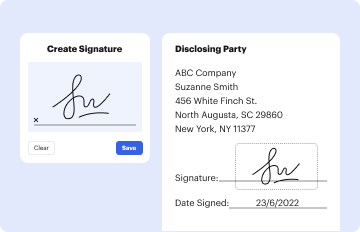
Apply Electronic Signatures: Add your digital signature, which is legally binding, using a tool like DocHub. This step might require selecting from pre-created signatures or drawing one at the time of signing.
-
Review and Submit: Finalize the form by reviewing all entered information to ensure its accuracy and completeness. Then, submit the form as directed, receiving a confirmation of submission for records.
Completing forms online significantly reduces processing time and enhances the accuracy of information entry, providing an edge over traditional paper submissions.
Why Should You Form Online
Utilizing online forms offers several advantages over traditional, paper-based forms:
-
Convenience: Forms can be accessed and completed from anywhere with an internet connection, removing the necessity for physical presence.
-
Efficiency: Online forms often include features such as auto-fill and validation checks, which streamline the data entry process and reduce errors.
-
Cost-Saving: Eliminates the costs associated with printing, mailing, and storing physical documents.
-
Security: Modern online form platforms, including DocHub, implement robust security measures such as SSL encryption to protect sensitive information during submission and storage.
-
Environmentally Friendly: Reduces paper consumption and waste, contributing to sustainability efforts.
These advantages highlight why many businesses and individuals prefer moving their document processes online, allowing for increased productivity while maintaining security.
Who Typically Uses the Form Online
A diverse range of users benefit from online forms, reflecting their adaptability across various sectors:
-
Individuals: Use forms for purposes such as job applications, membership registrations, and legal agreements, leveraging the convenience of online submissions.
-
Businesses: Employ online forms to streamline operations, manage workflows, engage with clients, and handle employee documentation.
-
Educational Institutions: Facilitate student enrollment, course evaluations, and administrative processes through efficient online systems.
-
Government Agencies: Implement forms for public services, tax filings, and compliance reporting, minimizing the need for in-person attendance and paperwork.
By offering tailored features, online forms cater to the specific needs of different users, making them a versatile tool for managing information in the digital age.

Key Elements of the Form Online
An effective online form typically comprises several key elements designed to enhance usability and functionality:
-
Clear Instructions: Specific guidelines that help users understand how to complete the form accurately.
-
Mandatory Fields: Indicated by an asterisk, these require completion for the form to be valid.
-
Form Fields: A variety of input types like text boxes, checkboxes, dropdowns, and dates to capture specific user data.
-
Error Messages: Real-time validation alerts to minimize user errors and ensure accuracy.
-
Submission Confirmation: A final message or email confirmation that assures users their form was received successfully.
These elements work together to provide a seamless and guided form-filling experience, increasing the efficiency and accuracy of data collection.
How to Obtain the Form Online
Obtaining an online form is a straightforward process involving several steps:
-
Visit the Appropriate Website: Navigate to the official website of the entity offering the form, such as government portals, business websites, or educational institutions.
-
Search for the Form: Use search functionalities or navigate through the site’s menus to locate the specific form needed.
-
Download or Open the Form: Depending on the platform, you may need to download the form or open it directly within a web-based form editor.
-
Create an Account (if required): Some platforms might require registration or login to access certain forms.
-
Check Compatibility: Ensure your device and software meet the required specifications to view and interact with the form, although most modern platforms are browser-compatible.
By understanding where and how to obtain specific online forms, users can efficiently access the necessary documents without undue complexity.
Legal Use of the Form Online
The legal implications of using online forms should be carefully considered, particularly when it comes to binding agreements:
-
Compliance with Statutory Requirements: Ensure the form meets jurisdiction-specific legal standards, such as the ESIGN Act in the United States, which validates electronic signatures.
-
Data Protection: Adherence to privacy laws such as the General Data Protection Regulation (GDPR) or relevant U.S. data privacy regulations is crucial for handling personal information.
-
Audit Trails: Maintain comprehensive records of submissions and updates to establish provenance and accountability.
-
Confidentiality Agreements: Utilize secure submission platforms to safeguard sensitive data and reduce legal liabilities.
Online forms should align with applicable legal frameworks, ensuring that submissions remain valid and enforceable within the intended context.
State-Specific Rules for the Form Online
In the United States, state-specific regulations can influence how certain online forms are structured and processed, especially in legal and governmental contexts:
-
Variations in Legal Document Standards: States may have unique requirements regarding the language and format of contracts and legal forms.
-
Tax Forms: State tax departments might issue their own forms separate from federal versions, addressing jurisdiction-specific tax obligations.
-
Professional Licenses: Applications for state-specific credentials may demand distinct documentation and approvals.
-
Compliance Regulations: Different states enforce varying degrees of compliance with data security laws and electronic transmission protocols.
Individuals and businesses should verify state-specific rules to guarantee compliance when submitting forms online, avoiding potential legal challenges or rejections based on jurisdictional discrepancies.