Definition and Meaning of the Identity Theft Victim's Packet
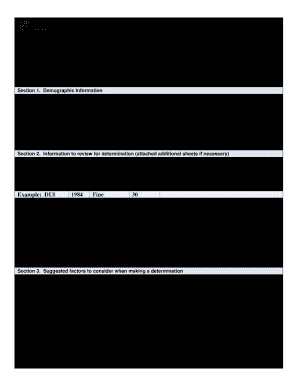
The Identity Theft Victim's Packet is a comprehensive collection of resources and instructions designed for victims of identity theft. Typically issued by police departments or government agencies, the packet provides guidance on the steps victims should take to mitigate damage and secure their personal information. It contains essential tools such as forms for reporting identity theft, contacting credit bureaus, and working with financial institutions. The packet serves as a roadmap for victims navigating the complex aftermath of identity theft, ensuring they take all necessary actions to restore their identities.
How to Use the Identity Theft Victim's Packet
Proper utilization of the Identity Theft Victim's Packet is crucial for effectively addressing identity theft. The packet usually begins with a list of immediate steps, including the importance of obtaining a police case report number. This number is essential for proving the crime to financial institutions and credit agencies. The packet also provides forms for notifying credit bureaus and placing fraud alerts on the victim’s credit files. Detailed instructions are included for each form, ensuring accurate completion. Recipients are often advised to keep copies of every document submitted, creating a comprehensive paper trail that may be required for future legal proceedings.
Steps to Complete the Identity Theft Victim's Packet
Completing the Identity Theft Victim's Packet involves several key steps, each designed to facilitate recovery and prevent further identity theft:
- Obtain a Police Report: Contact the local police department to file a report and secure a case number.
- Contact Credit Bureaus: Place a fraud alert on your credit report by contacting major credit bureaus—Equifax, Experian, and TransUnion.
- Notify Financial Institutions: Report the identity theft to your bank and credit card issuers, and follow up in writing with copies of the police report.
- Complete Federal Trade Commission (FTC) Forms: File a report with the FTC, using any forms provided in the packet.
- Protect Your Information: Change passwords and security questions for all online accounts.
- Monitor Your Credit: Regularly check your credit reports for unauthorized accounts or transactions.
Required Documents for the Identity Theft Victim's Packet
The Identity Theft Victim's Packet usually necessitates various supporting documents to validate claims and facilitate protective measures:
- Police Report: A copy of the official report filed with law enforcement.
- Proof of Identity: Government-issued identification such as a driver’s license or passport.
- Copy of Credit Report: Obtain from all three major credit bureaus.
- Bank Statements: Highlighting unauthorized transactions.
- Affidavits or Dispute Forms: Provided for challenging fraudulent accounts or charges.
These documents play a pivotal role in proving identity theft to institutions and legal entities involved in the investigation and resolution processes.
Key Elements of the Identity Theft Victim's Packet
The Identity Theft Victim's Packet is composed of several critical elements that equip victims to manage the repercussions of the theft:
- Instructions and Guidance: Step-by-step walkthroughs for each action required.
- Contact Information: Lists important contacts such as local police, credit bureaus, and financial institutions.
- Sample Letters: Templates for communicating with creditors and banks.
- Legal References: Information on rights and resources under U.S. law.
- Monitoring Services Advice: Tips on using monitoring services effectively to detect further unauthorized activity.
These components ensure that victims have a comprehensive understanding and the necessary tools to reclaim their identities.
Legal Use of the Identity Theft Victim's Packet
Proper legal use of the Identity Theft Victim's Packet is vital in aligning with various laws and protecting one's rights:
- Compliant with the Fair Credit Reporting Act (FCRA): Ensures accuracy, fairness, and privacy of consumer information.
- Aligned with Identity Theft and Assumption Deterrence Act: Provides a legal framework for tackling identity theft.
- Facilitates Data Correction: Enables communication with credit agencies to rectify inaccuracies in credit reports.
Legal compliance not only safeguards victims but also aids in potential prosecutions of identity thieves.
State-Specific Rules for the Identity Theft Victim's Packet
While the Identity Theft Victim's Packet includes guidelines based on federal regulations, state-specific rules can impact certain procedures:
- State Laws: Variations exist in timelines for credit report corrections and dispute resolutions.
- State-Issued IDs: Involvement of state-specific departments for ID replacement or verification.
- Local Support Services: Availability and type of support services can vary by state, offering different resources for victims.
Understanding these differences ensures victims utilize the packet effectively within their state's legal context.
Examples of Using the Identity Theft Victim's Packet
Several scenarios illustrate the packet's application:
- Individual Consumers: A person who detects unfamiliar activity in their bank account might use the packet to report the issue, rectify their credit, and prevent further incidents.
- Small Business Owners: A business owner may discover identity theft when fraudulent credit lines are opened. They can utilize the packet to clear the false debts and secure business accounts.
- Elderly Victims: Seniors, often targeted, can leverage the packet to address breaches and seek community legal aid resources included in the documentation.
Through these examples, the packet's relevance and adaptability across different situations become evident.