






Definition and Meaning of "Form Online"
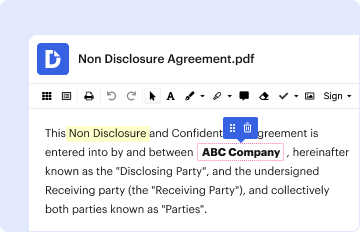
In the context of digital document management, the term "form online" refers to an electronic version of a document that individuals or businesses can access, fill out, and submit via the internet. This digital transformation of traditional paperwork allows users to perform tasks like filling, signing, and submitting forms without needing physical copies. "Form online" encompasses various types such as tax forms, applications, or any document requiring input fields that can be completed digitally.
Key Aspects of "Form Online"
- Accessibility: Users can access forms anytime and anywhere with an internet connection.
- Efficiency: Reduces the time spent on mailing or manually delivering documents.
- Environmentally Friendly: Minimizes paper use, contributing to eco-friendly practices.
How to Use the Form Online
Using an online form involves several key steps, each designed to simplify interaction and ensure successful completion.
General Steps
- Accessing the Form: Navigate to the website offering the form, such as DocHub, and locate the required document.
- Filling Out the Form: Utilize text fields, dropdown menus, and other elements to enter required information accurately.
- Review and Edit: Before submission, review all entered data to correct any errors.
- Submitting the Form: Once reviewed, submit the form through the platform’s submission feature.
Practical Example
Consider an online scholarship application form for students. After accessing the form, a student would enter personal information, educational background, and achievements before reviewing and submitting the completed form electronically.
How to Obtain the Form Online
Obtaining a form online is typically straightforward, allowing for easy access and download via a user-friendly interface.
Steps to Obtain
- Identify the Provider: Determine the platform offering the desired form, like DocHub.
- Search for the Form: Use search functions on the site to find the specific online form needed.
- Download or Open: Download the form to your device or open it directly within the platform for immediate use.
Access Through Integrations
Platforms like DocHub often provide seamless integration with cloud services such as Google Drive or Dropbox, allowing users to import forms directly from these services.
Steps to Complete the Form Online
Completing an online form requires a methodical approach to ensure accuracy and compliance.
Detailed Steps
- Preliminary Review: Read through the entire form to understand the required information.
- Data Entry: Fill in text boxes and other input fields with accurate data.
- Attachments (if needed): Upload necessary documents or images that are required to accompany the form.
- Final Review: Check all fields for errors or omissions.
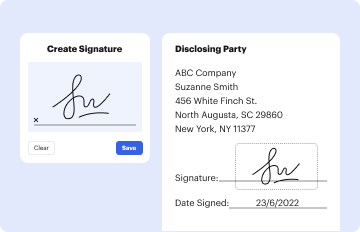
- E-Signature (if applicable): Add an electronic signature if the form requires it.
- Submission: Use the platform’s tools to submit the finished form.
Real-World Application
For forms like rental applications, ensure all personal and rental history information is complete, attach any requested proof of income or reference letters, and sign before sending.
Who Typically Uses the Form Online
Online forms are versatile and serve a diverse audience. Different user groups leverage online forms to fulfill varied needs.


Primary Users
- Businesses: For contracts, agreements, and employee documentation.
- Individuals: For tasks such as job applications, tax filings, and service requests.
- Educational Institutions: For admissions, scholarships, and course enrollments.
User Scenarios
An individual completing a W-9 form online as part of a freelance contract agreement, or a business submitting tax forms electronically to streamline financial processes.
Important Terms Related to Form Online
Understanding specific terminology related to online forms can enhance user experience and comprehension.
Key Terms
- E-Signature: A digital version of a handwritten signature.
- Input Field: Areas within a form designed for specific data entry.
- Encryption: Security process ensuring that form data remains confidential during transmission.
Contextual Examples
When filling out a sensitive document, ensure encryption protocols are in place for secure data handling.
Legal Use of the Form Online
Legal considerations are crucial when submitting forms online, particularly for official documentation.
Compliance Requirements
- ESIGN Act Compliance: Ensures electronic signatures on forms are legally binding.
- Data Protection Laws: Adhering to standards like GDPR or HIPAA depending on the form's nature.
Example Scenario
Submitting a digital contract using an e-signature is legally recognized under the ESIGN Act, ensuring enforceability similar to paper-based agreements.
Key Elements of the Form Online
Understanding the components of an online form can aid in efficiently completing and utilizing these documents.
Essential Components
- Interactive Fields: Checkbox, radio button, and dropdown menus for flexible user input.
- Instructional Text: Guidance provided within the form to assist with accurate completion.
- Validation Features: Automated checks ensuring all required fields are filled appropriately.
Usage Scenario
A student completing an application form might utilize dropdowns to select their class standing and input fields for personal details, guided by instructional text to avoid errors.
By following these comprehensive guidelines and considering each aspect of the "form online," users can maximize the efficiency and effectiveness of their digital document interactions, ensuring successful completion and submission.