01. Edit your light duty request form online
Type text, add images, blackout confidential details, add comments, highlights and more.

Type text, add images, blackout confidential details, add comments, highlights and more.

Draw your signature, type it, upload its image, or use your mobile device as a signature pad.

Send light duty request form via email, link, or fax. You can also download it, export it or print it out.
The request for light duty letter is a formal document used by employees who are unable to perform their regular duties due to medical reasons. It is commonly utilized in sectors such as Service, Labor & Trades, and Office, Professional and Technical Bargaining Units. This letter is submitted to a supervisor to propose temporary modifications to the employee's work responsibilities, aiming to accommodate their current health status while maintaining job productivity. The primary purpose of this letter is to outline the nature of the employee's condition, the expected duration of light duty, and any specific accommodations required.
When drafting this letter, it's important to provide sufficient medical documentation to support the request, ensuring the employer understands the necessity of the modifications.
Once you've gathered relevant medical documentation, submission of the request for light duty letter is typically made to the employee's direct supervisor. This letter should clearly articulate the reasons for the request and outline the temporary nature of the need for light duty.
Successful communication during this process ensures both parties understand the expectations and limitations involved.
Employees seeking to obtain a request for light duty letter often start by contacting their HR department for guidance and any specific templates the company uses. Alternatively, they might be referred to a medical professional to certify the need for light duty through official health documentation.
The process of completing the request for light duty letter involves precise steps to ensure all necessary information and documentation are included.
By adhering to these steps, employees can significantly improve the likelihood of their requests being reviewed favorably.
Requesting a light duty letter enables employees facing health challenges to maintain employment while respecting their medical needs. This approach not only supports the employee's health but also preserves job security and income stability.
These benefits enhance workplace relations and demonstrate an employee's commitment to their role, despite temporary health setbacks.
Understanding key terms related to light duty requests can streamline communication and processing with employers:
Familiarity with these terms can aid in the accurate drafting and submission of requests, ensuring that all parties involved have a shared understanding.
Legally, the request for light duty letter must comply with workplace policies and employment law standards, such as the Americans with Disabilities Act (ADA). The ADA prohibits discrimination based on disability and requires employers to accommodate qualified employees’ medical conditions where reasonable.
By understanding these legal frameworks, both employees and employers can better navigate the accommodations process within legal boundaries.
In the United States, state-specific regulations may influence how requests for light duty are processed and approved. Different states might have varying requirements regarding employer obligations and employee rights.
Employees should research their state's guidelines or consult with legal professionals to ensure compliance and awareness of their rights and obligations.
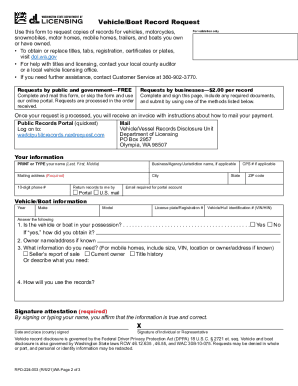
We've got more versions of the light duty request form form. Select the right light duty request form version from the list and start editing it straight away!
| Versions | Form popularity | Fillable & printable |
|---|---|---|
| 2025 | 4.6 Satisfied (36 Votes) | |
| 2024 | 4.8 Satisfied (57 Votes) | |
| 2024 | 4.5 Satisfied (54 Votes) | |
| 2024 | 4.6 Satisfied (24 Votes) | |
| 2024 | 4.2 Satisfied (22 Votes) | |
| 2023 | 4.6 Satisfied (29 Votes) | |
| 2023 | 4.2 Satisfied (33 Votes) | |
| 2023 | 4.8 Satisfied (51 Votes) | |
| 2023 | 4.3 Satisfied (30 Votes) | |
| 2023 | 4.4 Satisfied (43 Votes) | |
| 2023 | 4.1 Satisfied (50 Votes) | |
| 2023 | 4.8 Satisfied (43 Votes) | |
| 2023 | 4.3 Satisfied (48 Votes) | |
| 2022 | 4.8 Satisfied (52 Votes) | |
| 2022 | 4.1 Satisfied (32 Votes) |
At DocHub, your data security is our priority. We follow HIPAA, SOC2, GDPR, and other standards, so you can work on your documents with confidence.