Ad 3018-2026

Get Form
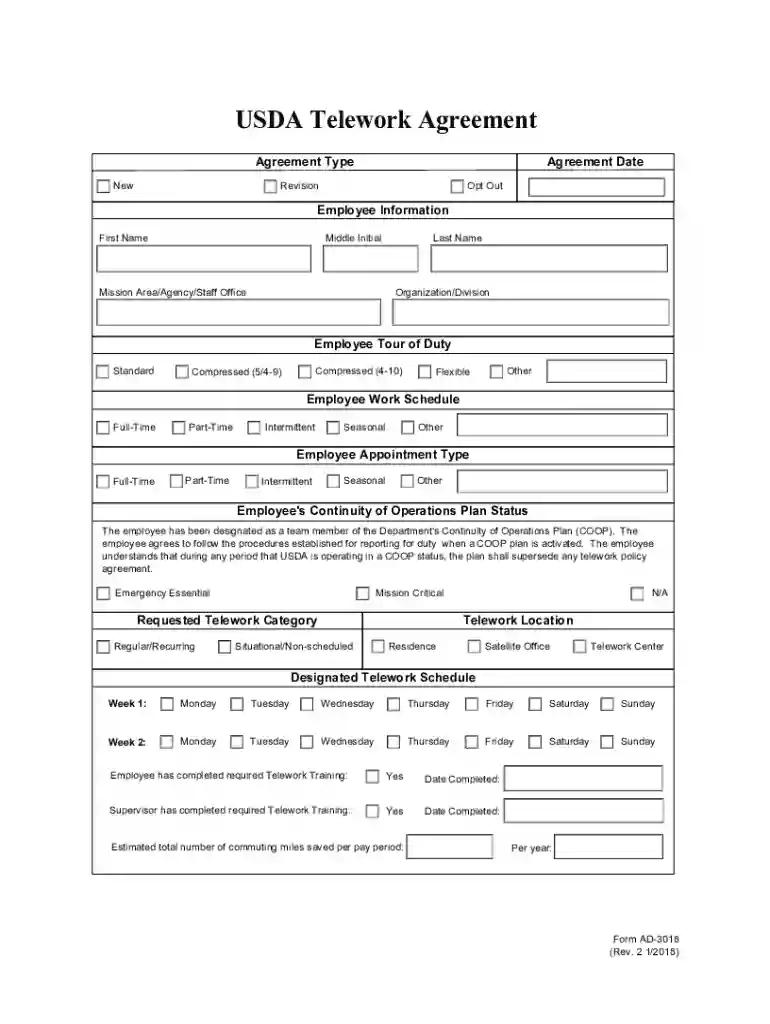
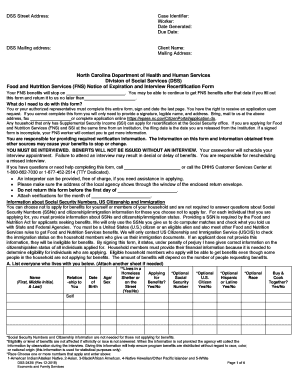
ad 3018 Preview on Page 1

Here's how it works

01. Edit your ad 3018 online
Type text, add images, blackout confidential details, add comments, highlights and more.

02. Sign it in a few clicks
Draw your signature, type it, upload its image, or use your mobile device as a signature pad.

03. Share your form with others
Send it via email, link, or fax. You can also download it, export it or print it out.

Definition and Meaning

The "ad 3018" form is a specific document utilized within the regulatory framework, though its exact context and function depend on the governing body or industry. Generally, forms like ad 3018 are used to collect essential data or to fulfill legal obligations. They typically include structured sections requiring exact details from the filer, such as personal information, financial data, or employment specifics. Understanding its full meaning requires insight into the context in which it is applied, which can range from tax filings to compliance documentation.

Importance in Regulatory Compliance

Forms like the ad 3018 serve critical roles in ensuring compliance with regulatory standards. These forms help organizations and individuals meet specific legal requirements by providing necessary information to government agencies or overseeing bodies. Failure to understand or complete such forms accurately can result in penalties or legal setbacks. It is essential to familiarize oneself with the precise requirements and implications of the form to avoid compliance issues.

How to Use the ad 3018

To effectively use the ad 3018 form, one should be familiar with its structure and the information it requires. The process typically involves gathering relevant data, filling out the form in its entirety, and submitting it to the appropriate authority. Users should ensure they comprehend each section to avoid errors, as inaccuracies could lead to processing delays or rejections.

Step-by-Step Process for Completion

  1. Review the Instructions: Begin by reading the provided guidelines, which outline how to properly fill out the form.
  2. Gather Required Information: Collect all necessary documents and data before starting. This might include identification numbers, financial statements, or employment records.
  3. Complete the Form: Fill in all sections thoroughly. Pay attention to specific fields that require detailed responses.
  4. Double-Check Entries: Verify all information for accuracy and completeness to prevent submission issues.
  5. Submission: Follow the specified method for form submission, whether online, via mail, or in person.

Steps to Complete the ad 3018

Completing the ad 3018 involves a sequence of deliberate and careful steps to ensure an error-free submission. Precise attention to detail is paramount in this process.

Detailed Instructions

  • Preparation: Before starting, ensure you have access to the necessary instructions and regulations that apply to the ad 3018.
  • Field Completion: Address each section with relevant information. Common fields may include:
    • Identification details
    • Financial or business data
    • Legal affirmations or declarations
  • Review: Conduct a thorough review of your entries and cross-check against requirements to confirm all data is correct.
  • Certification and Signature: Sign the form, certifying the provided information is true and accurate.

Common Pitfalls

  • Omissions: Missing required information can cause delays. Ensure each section is complete.
  • Misinterpretations: Misunderstanding form instructions might lead to incorrect information. Seek clarification if needed.
  • Deadline Awareness: Be mindful of submission deadlines to avoid penalties.

Legal Use of the ad 3018

The ad 3018 has specific legal applications, often tied to regulatory obligations or compliance requirements. It is designed to capture information that aligns with legal standards and expectations.

Compliance Considerations

Forms like ad 3018 are used to demonstrate compliance with applicable laws or regulations. They may serve as proof of adherence to financial, employment, tax, or data protection laws, depending on the form's scope. Understanding the legal framework is crucial to ensure the form's proper application and submission.

Important Terms Related to ad 3018

Familiarity with pertinent terminology is vital when dealing with form ad 3018. Understanding these terms ensures correct and efficient completion.

Key Terminologies Explained

  • Filer: The individual or entity responsible for completing and submitting the form.
  • Legal Entity: The organization or individual subject to the form's requirements.
  • Disclosure: Information required to be provided as part of the form's completion.
  • Compliance: Adherence to the laws and guidelines associated with the form.

Examples of Using the ad 3018

Practical applications of the ad 3018 can vary widely depending on the context.

Application Scenarios

  • Business Compliance: A corporation may use ad 3018 to report specific regulatory compliance measures.
  • Tax Filings: Individuals might use ad 3018 to disclose taxable income or other financial details.
  • Organizational Reporting: Non-profits could utilize this form to fulfill specific organizational transparency requirements.

Real-World Uses

  • In a corporate setting, ad 3018 might be necessary for annual compliance reporting.
  • For individuals, it might be used during the tax season to report adjustments or specific financial activities.

Key Elements of the ad 3018

Understanding the essential components of the ad 3018 helps ensure precise and thorough completion of the form.

Essential Components

  • Information Sections: Includes critical data fields for personal or business information.
  • Declaration Statements: Where the filer certifies the accuracy of the provided data.
  • Signature and Date: Required for legal acknowledgment of submission.

Importance of Accuracy

Completing these elements accurately ensures the form fulfills its intended purpose. Any inaccuracies or omissions can compromise the validity of the submission or lead to legal complications.

State-Specific Rules for the ad 3018

State regulations can influence how the ad 3018 is interpreted or applied. The regulatory environment may differ significantly between states, affecting form requirements.

Regional Variations

While federal guidelines might standardize some aspects of the ad 3018, state-specific rules can introduce additional layers of complexity. Filers must understand the unique demands of their state to ensure compliance.

be ready to get more

Complete this form in 5 minutes or less

Get form

Got questions?

We have answers to the most popular questions from our customers. If you can't find an answer to your question, please contact us.
Contact us
Ad Hoc Remote Work: Identified as infrequent or occasional remote work from various locations.
Many federal jobs offer the option to work from home and from an office location. We call this telework. The in-office work schedule and telework frequency depend on the agency and the job duties.
In 2021, agencies were encouraged to leverage remote work, when appropriate, to support employee recruitment and retention and reduce real estate costs. In 2025, the President directed agencies to end remote work, with certain exceptions.
No. Federal employees assigned to domestic positions have no authority to telework (even on a short-term basis) from a foreign location without an approved DETO Agreement. All DETO arrangements require Chief of Mission (COM) approval because all DETOs fall under COM authority and security responsibility.
Therefore, situational and ad hoc telework is not regular or recurring, must be requested and approved in advance, and occurs without a regular telework schedule. Employees who have an approved TA may need to telework irregularly for mission needs (e.g., inclement weather) should request a situational/ad hoc TA.

Security and compliance

At DocHub, your data security is our priority. We follow HIPAA, SOC2, GDPR, and other standards, so you can work on your documents with confidence.
Learn more
ccpa2
pci-dss
gdpr-compliance
hipaa
soc-compliance

People also ask

As stated earlier, there are two general types of telework: regular and situational. Regular telework is also referred to as recurring telework, because it occurs on a regularly scheduled basis. Regular telework is defined as occurring at least once in each two-week pay period.

Related links