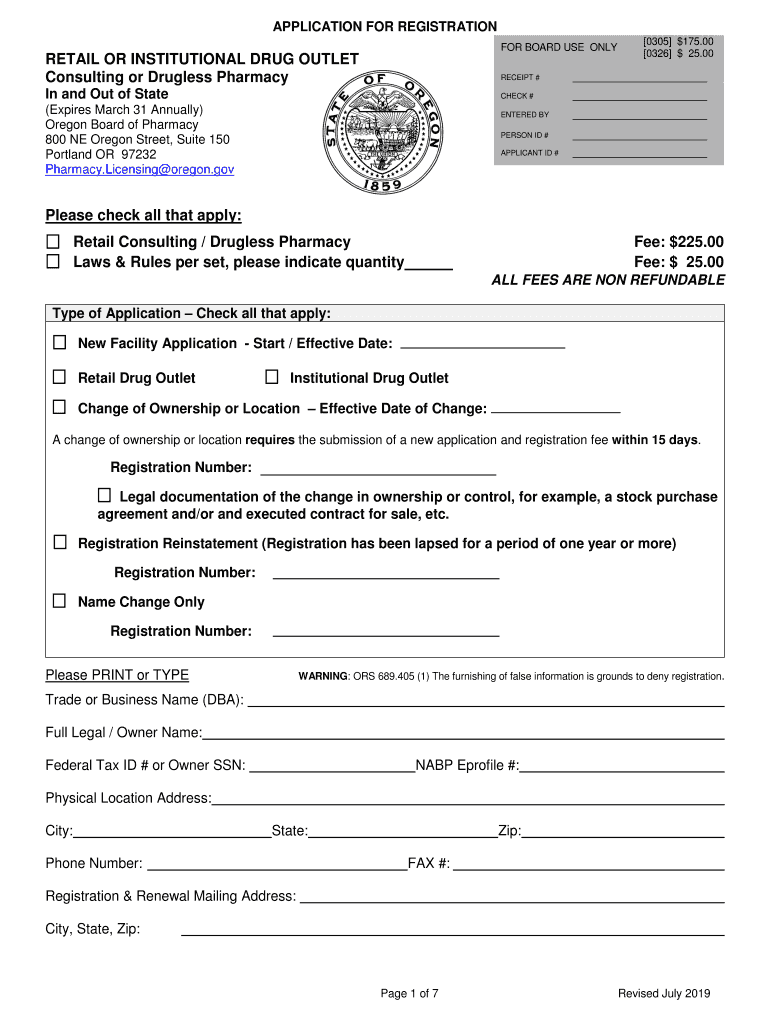







Definition and Meaning of "(Expires March 31 Annually)"
The term "(Expires March 31 Annually)" refers to the periodic validity of certain documents, registrations, or licenses that need renewal every year before or on the end of March. This expiration clause is crucial for ensuring compliance with required standards and regulations in various sectors. Particularly in legal, business, or tax-related documents, failure to renew can lead to lapses in coverage, invalid permissions, or potential penalties. Understanding the annual renewal process helps maintain legal status and operational continuity.
How To Use the "(Expires March 31 Annually)" Clause
When dealing with documents that include the "(Expires March 31 Annually)" clause, it's important to plan your renewal activities well in advance. Gather all necessary documents and ensure that all prerequisites, such as fees or supporting documentation, are ready for submission. For example, if a business requires renewal of its license, confirm that all compliance measures are up-to-date before submitting the renewal documents. You should mark your calendar for mid-February to start preparing your renewal application.
Steps to Complete the "(Expires March 31 Annually)" Expiration Process
-
Prepare Required Documents: Gather all necessary paperwork, including previous year’s documentation, financial statements, and compliance reports.
-
Review Renewal Requirements: Check for any changes in the renewal criteria, such as updated forms, fees, or documentation requirements. Verify against the issuing authority's latest guidelines.
-
Submit Application: Fill out the necessary forms accurately and submit them, along with any required fees, to the appropriate office.
-
Confirmation and Follow-Up: After submission, follow up with the issuing authority to confirm receipt and processing of your renewal application. Maintain communication until the renewal is confirmed.
Who Typically Uses the "(Expires March 31 Annually)" Clause
Users of documents with this expiration clause often include businesses, professional service providers, and various regulated sectors such as healthcare, pharmaceutical, and financial institutions. For instance, consulting pharmacies in Oregon must adhere to this expiration schedule to ensure their registration remains active, which includes submitting necessary reports and verifications annually.

Important Terms Related to "(Expires March 31 Annually)"
- Renewal Application: A form that must be filled out to continue the validity of the expiring document.
- Compliance Report: Documentation that ensures adherence to regulations, often required during the renewal process.
- Verification Document: Proof of credentials or current status that needs to be updated and submitted alongside the renewal application.
State-Specific Rules for "(Expires March 31 Annually)"
State-specific rules can affect how the "(Expires March 31 Annually)" clause is applied. For example, Oregon mandates consulting pharmacies to renew registrations by submitting detailed organizational descriptions and policies. Different states may have varied regulations concerning how renewals should be processed, the fees involved, and the necessary documentation. It's critical to consult the specific guidelines applicable to the state in question.
Examples of Using the "(Expires March 31 Annually)" Clause
A common example is a business license in several states which must be renewed annually by March 31. This includes updating business information and submitting financial records. In the health sector, certain annual licenses for pharmacies, hospitals, or clinics may expire on this date. Businesses might also have contracts or lease agreements with this expiration date, requiring renegotiation or extension before March ends.
Penalties for Non-Compliance with "(Expires March 31 Annually)"
Failing to comply with expiration terms can result in penalties such as fines, suspension of operations, or revocation of rights or licenses. For instance, if a consulting pharmacy in Oregon does not renew its registration by the due date, it risks losing its authorized status to operate. Late fees might also apply, causing additional financial burden on the entity involved. Compliance is essential to maintain legal and operational standards.
Key Elements of the "(Expires March 31 Annually)" Clause
- Annual Renewal Requirement: Indicates the necessity of renewing applicable documents at the same time each year.
- Specific Documentation: Requires submission of various forms and documents, often including compliance verification and payment of fees.
- Timeliness: Emphasizes adhering to deadlines to avoid penalties or disruptions in operations.
- Stakeholder Communication: Coordination between different departments or stakeholders to ensure all aspects of the document’s renewal are handled adequately.