






Understanding Fractures in Pediatric Context
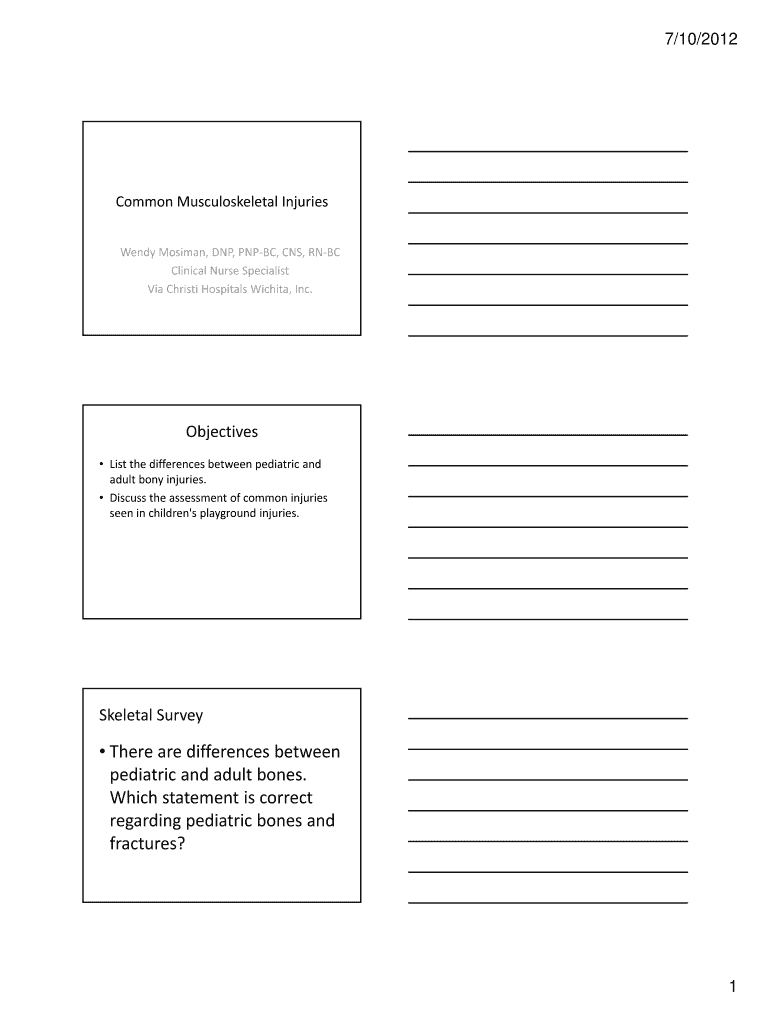
Fractures in children differ significantly from those in adults due to the unique properties of pediatric bones. Children's bones possess a higher collagen content and a generally softer structure, allowing them to bend more easily without breaking and to heal faster than adult bones. Common types of fractures in children include greenstick, buckle, and growth plate fractures. Greenstick fractures occur when the bone bends and cracks without breaking completely, while buckle fractures involve compression and bulging of the bone. Growth plate fractures are critical as they can affect the length and shape of the growing bone.
Assessing Playground Injuries
When assessing playground injuries for potential fractures, several factors need consideration. First, observe the child's ability to move the injured area and examine any visible deformities or swelling. Immediate markers of fractures include persistent pain that intensifies with movement or pressure and an inability to bear weight if the injury involves the leg or foot. Documenting the mechanism of injury is also crucial, as the height of a fall or the speed of impact can influence the severity of the fracture.
Emergency Protocols for Fracture Management
Effective management of fractures begins with accurate assessment and timely intervention. Emergency protocols involve immobilizing the injured area to prevent further injury. Using a makeshift splint from available materials can stabilize the fracture until professional medical treatment is available. Ice packs help reduce swelling, and elevating the injured limb minimizes pain. Prompt medical evaluation is crucial to determine the extent of the injury and to formulate a treatment plan, which may include casting or surgical intervention.
Identifying Signs of Abuse
Fractures in children are sometimes indicative of non-accidental injuries, making it crucial to recognize signs of abuse. Healthcare providers look for patterns such as multiple fractures in various healing stages, injuries inconsistent with the reported mechanism, or fractures in unusual locations like ribs or vertebrae. Documentation of the child's history, clinical findings, and parental interaction is essential in identifying potential abuse cases. Healthcare providers have a legal and ethical obligation to report suspected abuse to the appropriate authorities.
Considerations for Obesity and Contact Sports
Children with obesity face a higher risk of fractures due to increased stress on bones during physical activity. Understanding the biomechanics of these injuries is important for prevention and management. In contact sports, fractures are common due to high-impact collisions. Protective gear, proper training, and adherence to safety regulations are vital in minimizing the risk of fractures. Coaches and instructors play an important role in encouraging safe play and teaching proper techniques to avoid injury.
Types and Patterns of Pediatric Fractures
The distinctive characteristics of pediatric bones result in specific patterns of fractures. Most common are the greenstick and buckle fractures that occur as the flexible bones bend rather than break. Spiral fractures, resulting from a twisting force, often occur in the arms during sports or playground activities. Occasionally, a complete fracture—where the bone breaks into two or more pieces—occurs, typically requiring casting or surgical intervention for proper healing.
Key Elements in Fracture Documentation
Accurate documentation of a fracture is crucial for treatment and legal purposes. Important elements include a detailed description of the injury mechanism, clinical findings during physical examination, and diagnostic imaging results like X-rays. Medical professionals need to record the location of the fracture, the type of fracture, and any accompanying injuries. This comprehensive documentation supports effective treatment planning and provides necessary information for follow-up care.
Legal Implications of Childhood Fractures
In the United States, legal implications of childhood fractures surface prominently in cases suspected of child abuse. Healthcare professionals must comply with state laws requiring the reporting of suspicious injuries. Additionally, parents or guardians may face legal consequences if there is evidence of neglect or abuse. Understanding state-specific guidelines and maintaining thorough documentation can protect healthcare providers and ensure the child's safety. In sports-related contexts, ensuring adherence to safety standards minimizes legal risks for schools and organizations.