Definition & Purpose of "Off to a Healthy Start - Westfield State University: Department of"
"Off to a Healthy Start - Westfield State University: Department of" is a structured framework aimed at fostering health careers education programs within Westfield State University. This initiative aims to prepare students for thriving roles in the burgeoning health care industry. By focusing on curriculum development, industry partnerships, and work-based learning experiences, the program strives to provide students with the essential skills and knowledge needed for a successful career in health care.
Core Components of the Program
- Curriculum Development: The program focuses on creating a comprehensive curriculum that aligns with industry standards and equips students with the necessary technical and soft skills.
- Industry Partnerships: Collaboration with health care professionals and organizations is emphasized to provide students with real-world exposure and networking opportunities.
- Work-Based Learning Experiences: Internships, practicums, and clinical rotations offer students hands-on experience in diverse health care settings.
How to Use the Program
Enrollment Process
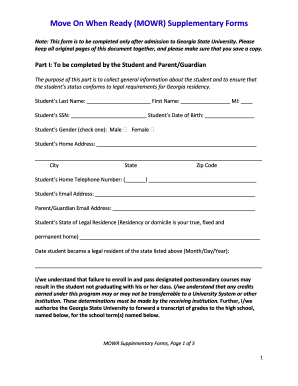
- Application Submission: Students interested in joining the program need to complete an application form available on the university's website or the admissions office.
- Admission Criteria: Applicants must meet specific academic and experiential prerequisites, including a background in sciences or health-related disciplines.
- Orientation Program: Once admitted, students attend an orientation session that outlines the program structure, expectations, and resources available.
Participation Requirements
- Active Engagement: Students are required to participate in all scheduled classes, workshops, and seminars.
- Practical Assignments: Completion of practical assignments and participation in fieldwork are essential components of the program.
- Regular Assessments: Students undergo regular assessments to ensure their progress aligns with the program’s learning objectives.
Key Elements of the Program
Curriculum Design
- Coursework: Includes subjects such as anatomy, physiology, public health, and medical ethics.
- Skill Development: Focuses on developing critical thinking, problem-solving, and communication skills essential for health care professionals.
- Assessment Methods: Utilizes a mix of exams, practical tests, and project work to assess student learning and competence.
Role of Student Organizations
- HOSA Involvement: Students are encouraged to join Health Occupations Students of America (HOSA) to build leadership skills and participate in skill-building competitions.
- Networking Opportunities: Participation in student organizations fosters connections with peers, mentors, and industry professionals.
Legal Use of the Program
Compliance with Educational Standards
- Accreditation: The program adheres to national accreditation standards, ensuring quality education and recognition by employers.
- Privacy Regulations: Student data is managed in compliance with FERPA regulations, safeguarding personal and academic information.
Licensing and Certification Outcomes
- Certification Readiness: The curriculum prepares students for relevant certification exams required for various health care professions.
- Continuing Education Recognition: Credits earned may be applicable towards continuing education requirements in the health care field.
Important Terms Related to the Program
Glossary of Key Terms
- Health Careers Education: Educational pathways that prepare students for careers in the health sector through a structured program.
- Clinical Rotation: Practical training in a health care setting, offering hands-on experience under professional supervision.
- Interprofessional Collaboration: Working together with various health care professionals to provide comprehensive patient care.
Clarification of Common Misconceptions
- Not Limited to Pre-Med Students: The program is designed for a broad range of health career paths, not exclusively for pre-medical students.
- Focus on Holistic Development: Emphasizes both academic learning and skill acquisition, preparing students for real-world applications.
Who Typically Uses This Program
Target Audience
- Undergraduate Students: Primarily aimed at undergraduates pursuing health care careers.
- Career Changers: Individuals aiming to transition into the health care industry from different fields.
Demographic Considerations
- Diverse Backgrounds: The program is inclusive, encouraging students from various demographics and educational backgrounds to enroll.
- Support Services: Offers support through counseling, mentorship programs, and academic advising to ensure student success.
Examples of Successful Implementation
Case Studies
- Westfield State Alumni: Alumni have secured positions in prestigious health care institutions, attributing their success to the comprehensive training received through the program.
- Partnerships with Local Health Institutions: Collaborations with hospitals and clinics have led to successful job placements and enhanced learning experiences for students.
Program Outcomes
- Graduate Statistics: High employment rates in health care roles are noted among graduates.
- Skill Acquisition: Students report significant improvement in critical health care competencies and soft skills.
Required Documents for Enrollment
Document Checklist
- Academic Transcripts: Submission of academic records from previous institutions is required.
- Personal Statement: A statement outlining motivations and career aspirations in health care.
- Letters of Recommendation: At least two recommendations from academic or professional references.
Submission Process
- Online Submission Portal: Documents can be uploaded through the university’s designated online portal.
- Submission Deadlines: Adherence to submission deadlines is crucial for a successful application process.
Form Submission Methods
Online, Mail, and In-Person Options
- Online Submission: Primarily through the university’s online enrollment system, which offers a convenient and streamlined process.
- Mail Submission: Hard copies of documents can be sent via postal service for students preferring traditional methods.
- In-Person Submission: Directly submitting documents at the admissions office is also an option for prospective students.
Pros and Cons of Each Method
- Online Submission: Fast and efficient, minimizes paperwork but requires digital access.
- Mail Submission: Useful for those without internet access but requires early planning due to postal delays.
- In-Person Submission: Offers personal interaction with admission staff but may be time-consuming.