






Definition and Meaning
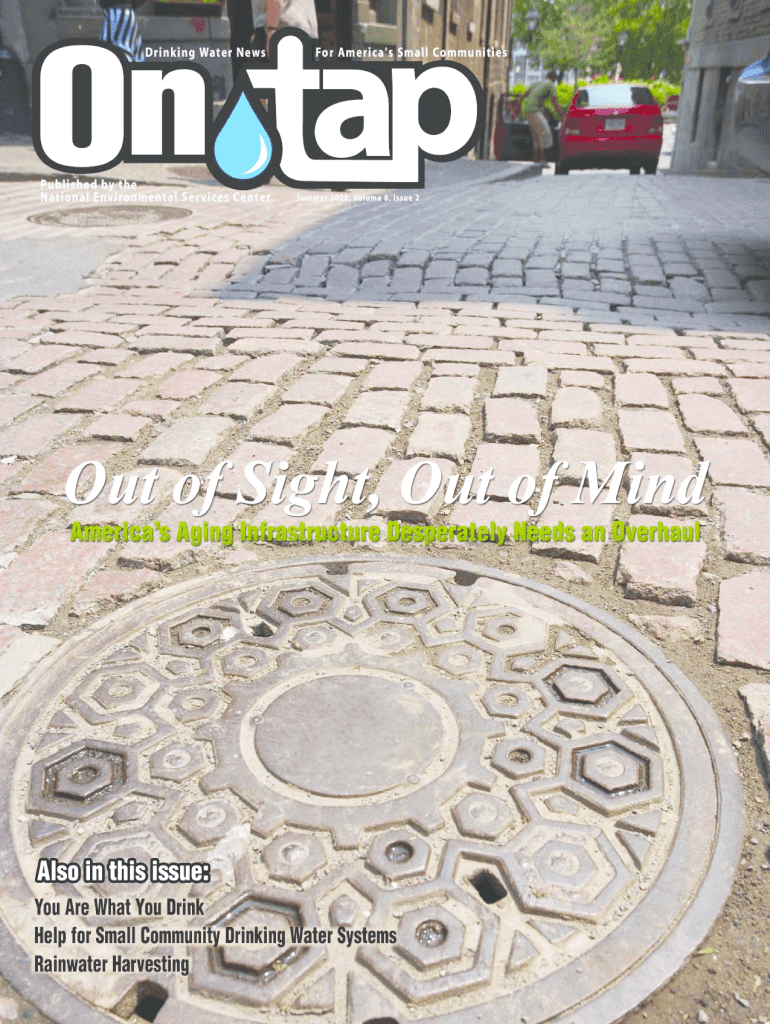
"Drinking Water News and Information for America's Small Communities" serves as a critical resource detailing the current state and necessary advancements in the water infrastructure across small communities in the United States. It addresses the pressing need for investment and innovative solutions to combat aging systems and improve water quality. The coverage includes discussions on biofilm control, rainwater harvesting, and other water management strategies.
Importance of Water Infrastructure
The document highlights how aging infrastructure presents challenges such as leaks, contamination, and inefficiencies. It emphasizes the necessity for technological upgrades and strategic planning to ensure safe, sustainable water delivery systems. Small communities often face unique challenges, and the information provided assists them in identifying and implementing the best solutions.
Community Involvement
Community engagement is emphasized as a cornerstone of successful water management. Local leaders and stakeholders are provided with guidance on fostering community involvement, organizing events, and encouraging participation in decision-making processes related to water infrastructure improvements.
Key Elements of the Publication
The document features several articles covering various aspects of drinking water safety and infrastructure management.
Articles on Innovative Solutions
- Biofilm Control: Techniques to manage and mitigate biofilm in water systems, which can lead to contamination.
- Rainwater Harvesting: Strategies for implementing water-saving practices that can supplement traditional water supplies.
- Success Stories: Real-world examples of small communities successfully improving their water systems, offering inspiration and tangible models for others to follow.
Resources and Events
- Resources: Listings of grants, technical assistance programs, and educational materials aimed at helping communities enhance their water systems.
- Upcoming Events: Information on conferences, workshops, and training sessions relevant to water infrastructure and management.
How to Access and Use the Document
The document can be obtained through various channels to ensure broad access.
Methods of Access
- Online Platforms: Available through dedicated water governance websites and state agency portals.
- Community Centers: Physical copies might be available at local community centers or libraries for those without internet access.
Utilization Guidelines
- For Community Leaders: Using the document as a blueprint for developing improvement plans tailored to their community's specific needs.
- For Residents: Understanding the challenges faced by their local water systems and the steps being taken to address these issues.
Steps to Implement Recommendations
The document offers clear steps to guide leaders and stakeholders through implementing recommended strategies.
- Assess Current Systems: Conduct thorough assessments to identify weaknesses in existing infrastructure.
- Engage Community: Establish forums for local discourse on water management issues.
- Apply for Grants: Utilize listed resources to apply for funding opportunities that support infrastructure projects.
- Adopt Technologies: Implement new technologies for monitoring and improving water quality and system efficiency.
Who Typically Uses the Document
The resource is used by a variety of audiences within small communities, each with specific roles in improving water systems.


Primary Users
- Local Government Officials: For planning and policy-making to enhance water supply systems.
- Water Management Professionals: To gain insights into the latest trends and innovations in water management.
- Community Stakeholders: Interested parties who advocate for better water infrastructure and quality within their locales.
Broader Audience
- Researchers and Educators: For academic and informational purposes related to environmental studies and public policy.
Legal and Compliance Considerations
Understanding the legal framework and compliance requirements is crucial when addressing water system improvements.
Compliance Standards
- EPA Regulations: Adherence to the Environmental Protection Agency standards is required to ensure water quality and safety.
- State-specific Laws: Variances in state laws may impact the implementation of new systems, requiring tailored approaches.
Key Legal Terms
- Biofilm: A complex aggregation of microorganisms growing on a solid substrate, potentially leading to contamination if unchecked.
- Infrastructure Investment: Financial allocations aimed at upgrading or maintaining physical systems required for water distribution.
Digital vs. Paper Versions
The document is accessible in both digital and paper formats, each offering distinct advantages.
Digital Version
- Advantages: Easily searchable, can be updated regularly, and accessible from anywhere with an internet connection.
- Software Compatibility: Compatible with software tools that allow for annotations and sharing among stakeholders.
Paper Version
- Advantages: Does not require technological access and can be easily distributed in community meetings or physical archives.
Examples of Successful Implementation
Success stories included in the document showcase the effectiveness of proposed strategies.
Case Studies
- Small Town USA: A town that implemented rainwater harvesting systems, resulting in a 30% reduction in water use.
- Community X: Achieved improved water quality through targeted infrastructure investments and community engagement initiatives.
These examples demonstrate practical applications of the document’s guidance, serving as models for other communities aiming to improve their water systems.