






Definition and Purpose of Chem 116
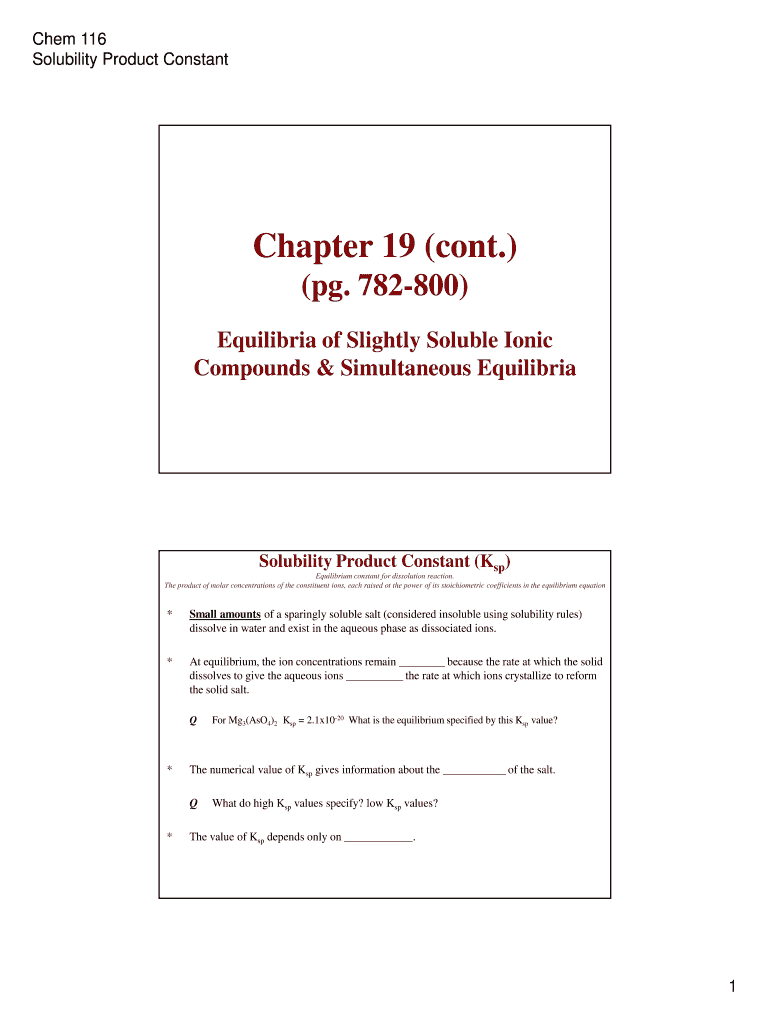
Chem 116 typically refers to an introductory university-level chemistry course often focusing on General Chemistry. This course covers fundamental chemistry principles, providing students with a comprehensive understanding of chemical reactions, atomic structure, chemical bonding, and the properties of matter. The coursework is designed to build foundational knowledge for students pursuing advanced studies in science, engineering, and related fields. Chem 116 is crucial for students aiming to grasp the essential concepts of chemistry, which are applicable in various scientific and practical contexts.
Key Topics Covered in Chem 116
Chem 116 encompasses a broad array of topics fundamental to understanding chemistry:
- Atomic Structure: Explores the composition and function of atoms, including electron configurations and the periodic table.
- Chemical Bonding: Examines the types of bonds (ionic, covalent, metallic) and their implications on molecular formations and properties.
- Thermochemistry: Discusses energy changes in chemical reactions and the principles of enthalpy and calorimetry.
- Chemical Kinetics: Studies reaction rates and the factors that influence them, such as concentration and temperature.
- Equilibrium: Covers the dynamic state of reversible reactions and how equilibrium constants are used.
- Acids and Bases: Investigates the properties, strengths, and dissociation of acids and bases, along with pH calculations.
- Redox Reactions: Analyzes oxidation-reduction processes and their applications in electrochemistry.
Typical Students Who Enroll in Chem 116
Chem 116 is typically attended by:
- Undergraduate Students: Especially those majoring in chemistry, biochemistry, biology, and pre-medical studies.
- Science Enthusiasts: Individuals seeking foundational knowledge in chemistry to support their understanding of other scientific fields.
- Engineering Majors: Students in engineering disciplines that require a solid base in chemical principles.
- Prerequisites: This course often serves as a prerequisite for more advanced chemistry courses and laboratories.
Prerequisites and Eligibility for Chem 116
To enroll in Chem 116, students typically need to meet certain prerequisites, which may include:
- High School Chemistry: A background in basic chemistry concepts.
- Proficiency in Mathematics: Competency in algebra and sometimes precalculus, given the quantitative nature of chemistry calculations.
- Placement Tests: Some institutions might require a science placement test to determine readiness for university-level chemistry.
Practical Applications and Relevance
Chem 116 prepares students for practical applications in various fields:
- Healthcare and Medicine: Understanding of chemical reactions is essential for medical research and pharmacology.
- Environmental Science: Principles of chemistry are crucial for addressing challenges related to pollution and sustainable energy solutions.
- Industry and Manufacturing: Chemical knowledge is applied in developing materials, reacting processes, and improving product formulations.
Learning Outcomes and Skills Acquired
By the end of Chem 116, students are expected to have acquired:
- Analytical Skills: Ability to solve complex chemical problems.
- Laboratory Techniques: Proficiency in using laboratory equipment and conducting experiments efficiently.
- Critical Thinking: Enhanced ability to analyze and interpret data from chemical reactions and experiments.
Chem 116 Course Materials and Resources
Students enrolled in Chem 116 typically have access to several resources:
- Textbooks: Comprehensive materials covering all course topics in detail.
- Online Platforms: Interactive simulations and tutorials to reinforce learning.
- Laboratory Manuals: Guides for conducting experiments and maintaining safety in lab environments.
Assessment Methods and Evaluation
The evaluation in Chem 116 may include:
- Examinations: Written tests covering theoretical and practical aspects.
- Quizzes: Regular short assessments to reinforce knowledge.
- Laboratory Reports: Documentation and analysis of experiments conducted during lab sessions.
- Participation and Attendance: Active engagement in classroom discussions and activities.
Conclusion: Value in Pursuing Chem 116
Chem 116 is an essential building block for any student pursuing a career in sciences or engineering. It provides the necessary theoretical foundation and practical skills to excel in advanced courses and professional fields that require strong analytical and problem-solving competencies in chemistry.