






Definition and Meaning of Soiling in Children
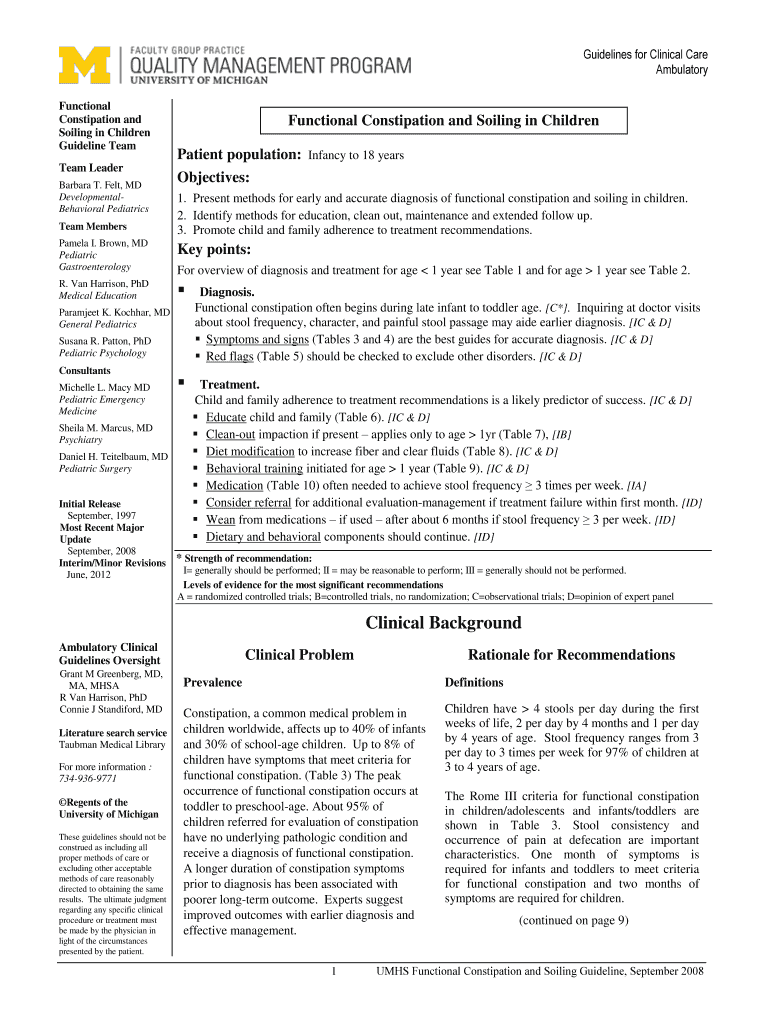
Soiling in children, often referred to as encopresis, involves the involuntary passage of stool in places other than the toilet by children aged four years and older. This medical condition frequently occurs as a result of functional constipation, where hard stool fills and stretches the colon, leading to involuntary leakage. The phenomenon can be distressing for both the child and the parents due to its social, emotional, and physical implications. Understanding the nature of this condition is crucial for recognizing its signs and seeking appropriate medical interventions.
Common Causes and Triggers
- Constipation: The most prevalent cause, as chronic stool retention leads to a distended colon.
- Stress and Anxiety: Emotional disturbances can exacerbate soiling.
- Dietary Factors: Insufficient fiber intake and dehydration can contribute to constipation and subsequently to soiling.
- Toilet Training Issues: Inconsistent toilet training or negative experiences can also be triggers.
Distinguishing Between Types of Soiling
- Retentive Soiling: Associated with constipation; characterized by large, painful bowel movements.
- Non-Retentive Soiling: Occurs without constipation and is often linked to behavioral or psychological factors.
Steps to Complete the Diagnosis and Management Plan
Managing soiling in children involves a structured approach aimed at both immediate relief and long-term prevention. The strategy typically encompasses several steps, integrating medical, behavioral, and educational components.
- Initial Medical Evaluation:
- Conduct a thorough medical examination to rule out anatomical abnormalities or medical causes aside from functional constipation.
- Clean-out Protocol:
- Administer prescribed laxatives or enemas for stool clearance if impacted.
- Maintenance Therapy:
- Implement a regimen of fiber supplements, stool softeners, or laxatives to ensure regular bowel movements.
- Behavioral Interventions:
- Establish a regular toilet schedule and employ positive reinforcement techniques for successful bathroom use.
- Environmental and Dietary Adjustments:
- Increase fluid intake and incorporate more fiber-rich foods such as fruits, vegetables, and whole grains into meals.
Monitoring and Follow-up Care
- Schedule regular follow-ups to adjust treatment plans based on progress.
- Utilize diaries or charts for tracking bowel movements and identifying patterns or improvements.
Key Elements of the Management Plan for Soiling
Effective management of soiling in children should incorporate key elements that address both symptomatic relief and underlying causes.
Medication and Therapies
- Laxatives and Stool Softeners: To prevent the reoccurrence of constipation.
- Behavioral Therapy: Cognitive behavioral techniques to address any related emotional or psychological concerns.
Family Education and Support
- Encourage family involvement to ensure consistency in following treatment plans.
- Educate caregivers on the nature of the condition, emphasizing the importance of patience and support.
Individualized Plans
- Customize treatment based on the severity and frequency of symptoms, as well as any accompanying emotional or behavioral issues.
- Collaborate with teachers and school staff to manage the child’s needs in educational settings.
Important Terms Related to Soiling in Children
Understanding the terminology associated with soiling in children will enhance comprehension and facilitate more effective communication between healthcare providers, parents, and educators.
- Encopresis: Another term for soiling, used interchangeably in medical circles.
- Functional Constipation: A condition characterized by infrequent bowel movements and difficulty during defecation without an underlying organic cause.
- Laxatives: Substances that loosen stools and increase bowel movements.
- Behavioral Interventions: Strategies applied to modify a child's behavioral response to toilet training and defecation.
Psychological Aspects
- Anxiety: Commonly associated with fear or negative experiences surrounding defecation.
- Cognitive Behavioral Therapy: A therapy technique used to change patterns of thinking or behavior that contribute to the problem.
Examples of Successful Management of Soiling
Understanding real-world scenarios where soiling in children has been effectively managed can provide both insight and hope to families confronted with this issue.
Case Study: Dietary Modification Success
A six-year-old child with recurrent soiling related to functional constipation experienced significant improvement after a comprehensive dietary modification. By increasing fiber intake and ensuring regular hydration, the child achieved regular bowel patterns, reducing soiling incidents significantly.
Case Study: Behavioral Adjustment Strategy
A seven-year-old diagnosed with non-retentive soiling benefitted from a combination of cognitive behavioral therapy and a structured toilet routine. Positive reinforcement and addressing any underlying stressors led to successful remediation of the problem within a few months.
State-Specific Guidelines for Treatment
While the basic principles for managing soiling in children are consistent, certain state-specific guidelines might influence management approaches in the United States.
Variations in Access to Pediatric Care
- Rural vs. Urban Areas: Differences in access to specialized pediatric gastroenterologists or child psychologists.
- State Insurance Programs: Medicaid coverages may vary, affecting available resources for families.
Educational System Interplay
- Regional policies might dictate how schools accommodate and support children dealing with soiling.
By considering these regional factors, caregivers and medical professionals can tailor strategies to best meet the needs of the child in their specific context.
Eligibility and Considerations for Behavioral Therapies
Behavioral therapies can play a vital role in managing soiling, especially when behavioral or psychological aspects are involved.
Assessing Suitability for Behavioral Interventions
- Age Appropriateness: More successful with older children who can cognitively engage with therapy techniques.
- Parental Involvement: Families must be prepared to actively participate in the therapeutic process.
Types of Behavioral Interventions
- Cognitive Behavioral Therapy: Focuses on modifying the child’s thoughts and behaviors surrounding toileting.
- Scheduled Toileting Routine: Establishes regular and stress-free toileting as part of the daily routine.
By understanding these aspects, families can make informed decisions regarding their child’s therapy options.
Legal and Educational Considerations
Addressing soiling in children involves awareness of relevant legal and educational considerations, especially in school settings where the child spends significant time.
Protection and Rights in Educational Settings
- IDEA and Section 504: These laws protect children with disabilities, including those with chronic medical conditions, ensuring accommodations in schools.
- Individualized Education Plans (IEP): For children whose soiling impacts their educational experience, an IEP can ensure necessary support.
Reporting Requirements
- Families may need to provide documentation or medical verification to qualify for specific services or support in school settings.
By navigating these legal frameworks, parents can better advocate for their children’s educational needs outside of direct medical intervention.