






Definition & Characteristics of Caribbean Literature in Spanish
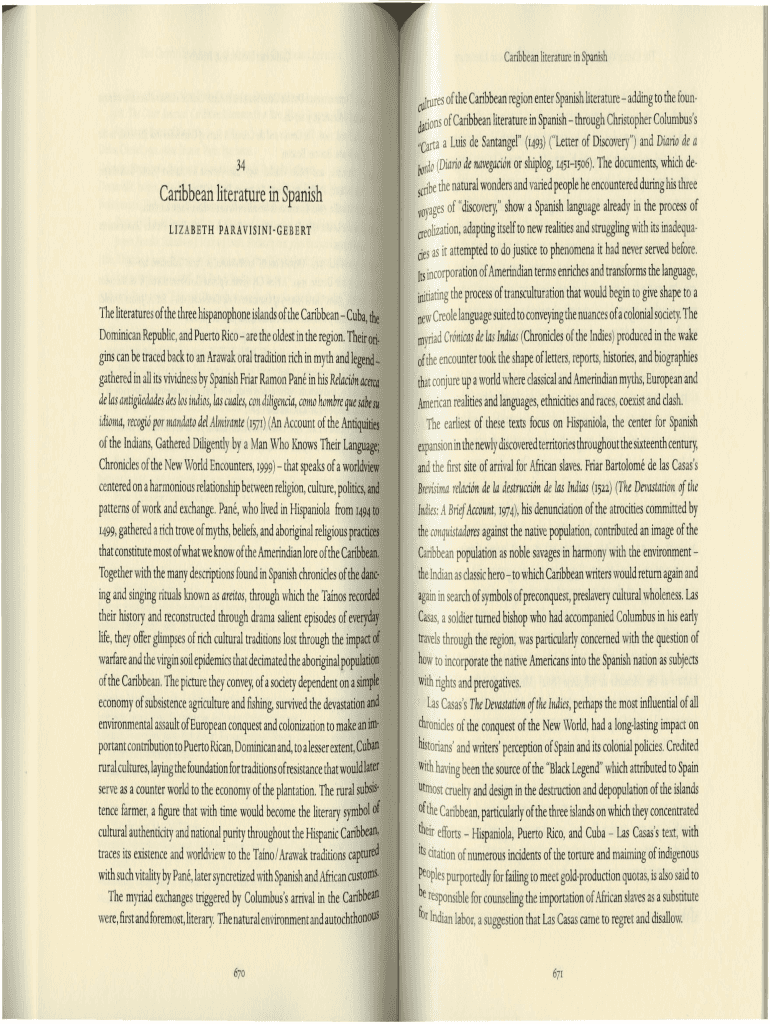
Caribbean literature in Spanish encompasses the rich literary traditions originating from Spanish-speaking Caribbean countries like Cuba, the Dominican Republic, and Puerto Rico. These literary works reflect a vibrant synthesis of cultural influences, including indigenous Arawak, African, and European elements. Originating from oral traditions, these writings explore themes of identity, resistance, and social justice. The literature ranges from historical texts that document the colonial past to contemporary narratives that highlight personal and collective struggles. Key figures in this field include authors who have woven indigenous, African, and colonial narratives into their literary tapestry, creating a unique narrative style that is distinctly Caribbean.
Key Elements of Caribbean Literature in Spanish
Caribbean literature in Spanish is marked by several defining features. A prominent element is the blending of various cultural narratives, a testament to the region's diverse heritage. Themes of resistance against colonialism and the exploration of identity are recurrent. This literature often incorporates elements of oral storytelling, manifesting through a rhythmic use of language and dialogues that echo the speech patterns of the Caribbean. There's a strong emphasis on the environment, with vivid descriptions of the natural and built landscapes serving as a backdrop for human activities. These elements contribute to a storytelling style that is both immersive and reflective.
Notable Authors and Works
The literature of the Spanish-speaking Caribbean is enriched by a host of influential authors whose works have shaped the literary landscape. Among them is Alejo Carpentier from Cuba, known for his magical realism and exploration of the surreal aspects of Caribbean cultures. The Dominican Republic offers the voice of Junot Díaz, whose narratives often reflect the immigrant experience. Puerto Rico presents writers like Rosario Ferré, whose stories delve into feminist themes and social justice. These authors, among others, have provided significant contributions to the literary canon, drawing attention to the hybrid identities and historical complexities of the Caribbean.
Historical Context of Caribbean Literature in Spanish
Caribbean literature in Spanish cannot be understood without considering the historical contexts in which it emerged. The colonial history of the Caribbean, marked by European domination and the transatlantic slave trade, profoundly influences its literature. Early works often sought to assert native identity and resistance to colonial authority. The incorporation of African and indigenous influences is a direct result of this historical intermingling of cultures. Literature became a means of documenting and resisting the injustices of slavery and colonial rule, providing a platform for exploring themes of autonomy, nationalism, and post-colonial identity.
Themes and Motifs in Caribbean Literature
Recurring themes in Caribbean literature in Spanish include the struggle for freedom, cultural identity, and the historical impacts of colonialism. These works often explore the tension between old and new worlds, reflecting the Caribbean's status as a crossroad of cultures. Spirituality, family connections, and the preservation of cultural traditions are significant motifs that underpin many narratives. The sea frequently appears as a symbol of both connection and isolation, embodying the dual nature of the Caribbean experience. These themes are explored not only through plot and character but also through symbolic language and narrative form.
The Influence of European Colonization
European colonization had a significant impact on Caribbean literature in Spanish. The imposition of European languages, religion, and cultural norms led to a unique hybridization evident in the literary traditions. Authors have often grappled with their colonial legacy, creating works that critique Eurocentric ideals while celebrating native cultures. The literature reflects a complex interplay between acceptance and resistance, depicting the Caribbean as a site of both oppression and creativity. Through their writings, Caribbean authors have contributed to a broader understanding of the legacy of colonialism and the resilience of Caribbean communities.
The Role of Oral Traditions
Oral traditions play a vital role in the literature of the Spanish-speaking Caribbean. Rooted in Arawak and African cultural practices, these traditions influence the narrative styles of many writers. Oral storytelling techniques, such as the use of vernacular and rhythmic language, are integrated into written forms, creating a distinctly Caribbean voice. The perpetuation of folklore, myths, and proverbs enriches the literature, serving as a means of preserving cultural knowledge and wisdom. These oral influences provide a sense of continuity and community, bridging past and present in Caribbean narratives.
The Emergence of Women's Voices
In recent decades, the voices of women writers have become increasingly prominent in Caribbean literature in Spanish. Female authors address themes of gender, empowerment, and social injustice, bringing a new depth to the literary canon. They examine the roles of women within society, often challenging traditional norms and highlighting the intersection of gender and cultural identity. The works of authors like Julia de Burgos and Mayra Santos-Febres illustrate diverse female experiences in the Caribbean, contributing to a more inclusive representation within the literature.
The Evolution of Contemporary Caribbean Literature
Contemporary Caribbean literature in Spanish continues to evolve, reflecting both global influences and local realities. Modern writers often explore the effects of globalization, immigration, and diaspora on Caribbean identities. The integration of digital technology and multimedia forms has opened new avenues for storytelling, allowing for a wider reach and engagement with audiences. Issues such as climate change, economic challenges, and cultural preservation are central concerns in contemporary works. As the literature evolves, it remains rooted in the region's rich and complex history, offering fresh perspectives on enduring themes.
Current Trends and Future Directions
Current trends in Caribbean literature in Spanish reflect a growing engagement with global issues while maintaining a strong sense of place. Emerging writers are experimenting with genre and form, incorporating elements of science fiction, fantasy, and speculative narratives. There's a move towards collaborative and cross-cultural projects that highlight the interconnectedness of the Caribbean with the broader world. The future of this literature is marked by an ongoing dialogue between tradition and innovation, ensuring that Caribbean narratives continue to resonate beyond their geographical origins.