






Understanding Self-Report Measures of Psychopathic and Schizotypal Personality
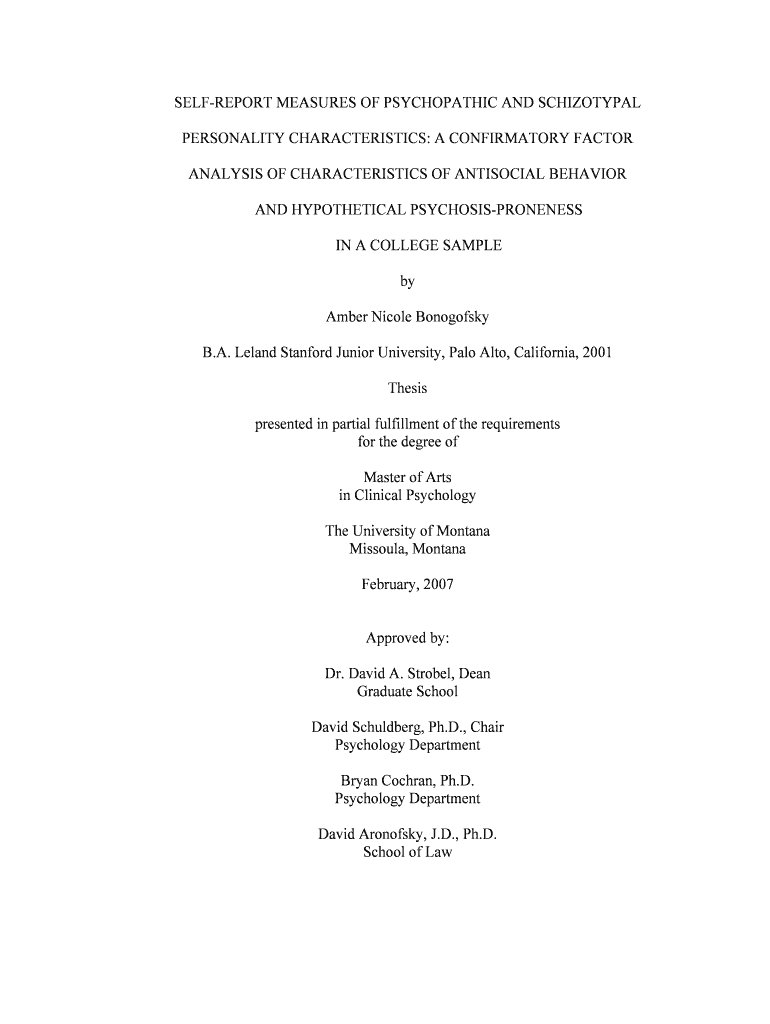
The Self-Report Measures of Psychopathic and Schizotypal Personality is a tool used to assess personality traits that align with psychopathy and schizotypy, often in a clinical or research setting. This tool helps differentiate between psychopathic tendencies, such as lack of empathy and impulsivity, and schizotypal traits, like social anxiety and odd beliefs. Understanding this nuanced approach is essential for professionals aiming to enhance clinical assessments or support research in personality psychology.
Utilization Guidelines
To effectively utilize the Self-Report Measures of Psychopathic and Schizotypal Personality, users must ensure they are familiar with the specific constructs it aims to measure. This involves a clear understanding of both psychopathic and schizotypal traits. When administering this tool, practitioners should provide a conducive environment that ensures participant comfort and confidentiality, which can lead to more accurate self-reports.
Acquisition Process
These measures can typically be obtained through academic institutions or psychological assessment publishers. Often used in research settings, access might require institutional affiliation or demonstration of who the intended user is and the purpose of the assessment. This ensures the tools are used ethically and appropriately.
Completing the Assessment: Step-by-Step
Preparation
- Ensure familiarity with both psychopathy and schizotypy theory.
- Secure any necessary permissions if using in an academic study.
Administration
- Distribute the measures to participants.
- Provide clear instructions on completion, emphasizing honesty and confidentiality.
- Allow ample time for thoughtful responses.
Collection and Analysis
- Collect completed measures while maintaining confidentiality.
- Analyze the responses using appropriate factor analysis, potentially employing statistical software for accuracy.
Importance of Self-Reporting in Personality Assessment
Self-report measures play a crucial role in personality assessment by providing direct insights into individuals’ personal experiences and perceptions. They can illuminate subjective experiences of personality traits that might not be evident through external observation alone. For the constructs of psychopathy and schizotypy, self-reporting is vital to understanding internal cognitive and affective processes that define these traits.
Typical Users and Practical Applications
Psychologists, clinical researchers, and academic personnel are the primary users of these measures. They can be particularly useful in settings that focus on mental health, criminal psychology, and personality theory research. These measures assist in diagnosing and researching personality disorders, helping develop potential intervention and treatment strategies.
Key Elements and Structure
The measure generally includes a range of items designed to assess different facets of psychopathy and schizotypy. Key components may involve:
- Affective and Interpersonal Traits: Examining emotional and interpersonal elements such as lack of empathy or suspiciousness.
- Behavioral Features: Assessing tendencies for impulsivity or social anxiety.
- Cognitive Components: Exploring unusual beliefs and thought patterns.
Each element contributes to a comprehensive view of these personality dimensions, facilitating targeted interventions.
Legal and Ethical Usage
Using the Self-Report Measures ethically and legally involves compliance with relevant psychological assessment standards. Practitioners must respect participant confidentiality and ensure informed consent is obtained. Moreover, the interpretation of results should be conducted by qualified professionals to prevent misdiagnosis or stigmatization.
Examples and Scenarios
Real-world application of these measures includes research studies aiming to understand the psychological profiles of individuals in various settings. For instance, a study might investigate the prevalence of schizotypal traits in specific populations, providing valuable data for developing supportive interventions. In clinical practice, these measures can guide treatment plans by highlighting areas requiring attention, such as impulse control or social functioning.
Versions and Alternatives
There are various iterations of self-report measures targeting similar personality constructs. While this measure provides a focused approach, alternate scales, such as the Psychopathic Personality Inventory (PPI) or the Schizotypal Personality Questionnaire (SPQ), offer alternative frameworks. Choosing the appropriate tool depends on the specific objectives of the assessment and the target population.