






Definition and Meaning
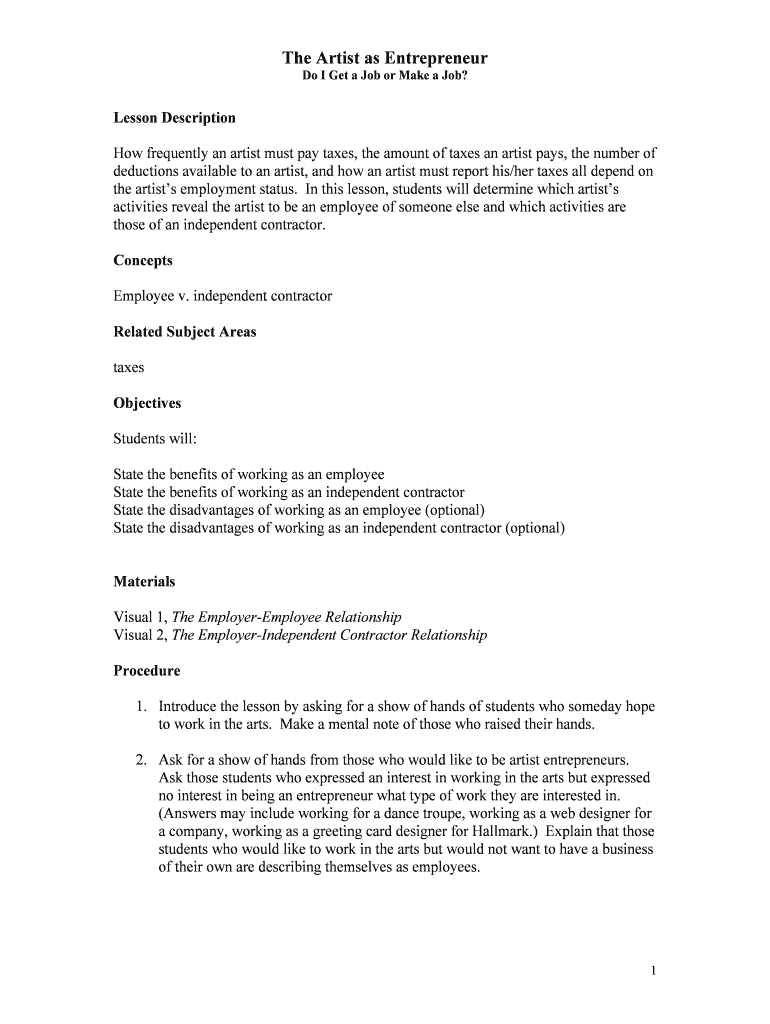
The term "The Artist as Entrepreneur" encompasses the dual roles that artists often navigate, combining creative endeavors with entrepreneurial skills. This concept highlights how artists, traditionally viewed as creatives, now also manage business aspects like financial planning, marketing, and intellectual property. This role fusion empowers artists to take control of their careers, offering them the flexibility to innovate and manage their own creative output while handling the essential business operations required for sustaining their career.
How to Use "The Artist as Entrepreneur" Framework
Artists can harness the entrepreneurial framework by balancing their time between creative projects and business management tasks. They can create business plans that include market analysis, revenue models, and growth strategies, tailored to the art sector. By integrating traditional business practices with their creative workflow, artists become more adaptable, potentially reaching wider audiences and increasing revenue streams.
- Identify core strengths and opportunities within your artistic practice.
- Break down complex goals into achievable milestones in both creative and business domains.
- Leverage social media and digital platforms for marketing and exposure.
Steps to Complete Your Transition to an Artist as Entrepreneur
- Assess Your Current Status: Determine what stage you are at in your career, including market presence and financial position.
- Develop a Business Plan: Outline goals, strategies, target audiences, and revenue streams.
- Enhance Financial Literacy: Gain a solid understanding of budgeting, taxes, and revenue management.
- Market Your Art: Use digital tools and platforms to promote your work effectively.
- Network and Collaborate: Build connections within your industry to open up new opportunities.
Key Elements of "The Artist as Entrepreneur"
Several critical factors define the role of an artist as an entrepreneur:
- Artistic Identity: Maintaining a clear personal and artistic brand.
- Business Acumen: Understanding how to manage finances and operations.
- Marketing Savvy: Utilizing new media and traditional channels to promote artwork.
- Networking Skills: Building meaningful relationships with other artists, galleries, and customers.
- Legal Awareness: Recognizing the significance of copyright and intellectual property rights.
Important Terms Related to "The Artist as Entrepreneur"
To fully understand and operate as an artist-entrepreneur, becoming familiar with specific terminology is essential:
- Sole Proprietor: Operating a business individually without forming a corporation.
- Copyright: Legal protection for original creative works, ensuring control over reproduction and distribution.
- Visual Identity: The aspect of branding concerned with visual components like logos and design.
- Intellectual Property: Creations of the mind, such as inventions, literary works, designs, symbols, etc.
- Market Analysis: A quantitative and qualitative assessment of a market to inform strategic decisions.
State-Specific Rules for Artists as Entrepreneurs in the U.S.
The application and implications of being an artist-entrepreneur can vary significantly depending on the state in which you operate. Each state has specific regulations about taxes, business filing requirements, and intellectual property protections. For example:
- California: Known for its robust entertainment industry, California offers specific tax incentives and rights for creative professionals.
- New York: Provides diverse markets and opportunities, but may require a comprehensive understanding of city-specific business and tax regulations.
IRS Guidelines and Tax Implications
Understanding IRS guidelines is crucial for managing financial obligations:
- Self-Employment Tax: As independent contractors, artists must pay self-employment taxes.
- Business Expense Deductions: Artists can deduct certain expenses related to their practice from their taxable income.
- Record Keeping: Keeping detailed records of income and expenditures is necessary to validate deductions.
Software Compatibility for Managing Artistic Enterprises
Utilizing the right software can streamline both creativity and business operations:
- TurboTax: For self-employed artists, TurboTax offers tools tailored to freelance income and deductions.
- QuickBooks: Useful for tracking earnings, expenses, and generating financial reports.
These tools enable efficient management of day-to-day financial tasks, providing insights for better decision-making. Balancing creativity with entrepreneurship allows artists to maximize their potential in the modern landscape.