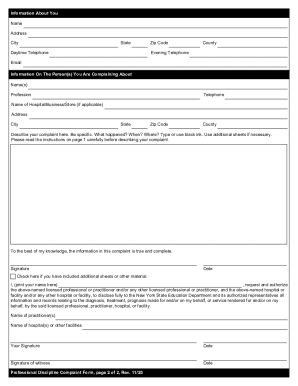
01. Edit your form online
Type text, add images, blackout confidential details, add comments, highlights and more.

Type text, add images, blackout confidential details, add comments, highlights and more.

Draw your signature, type it, upload its image, or use your mobile device as a signature pad.

Send it via email, link, or fax. You can also download it, export it or print it out.
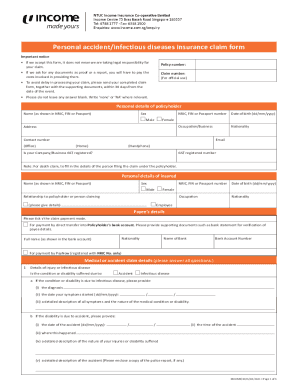
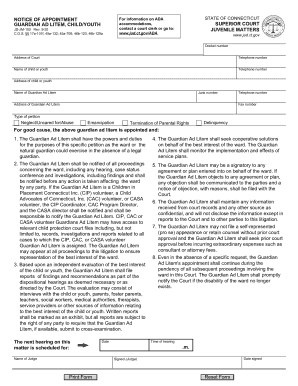
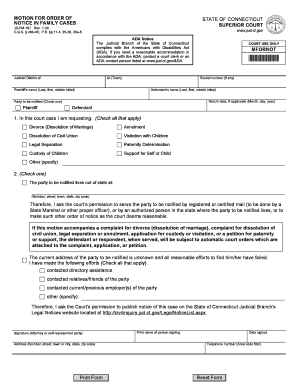
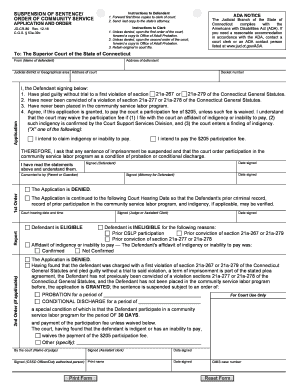
The phrase "If you have a Social Security number, you must provide it" pertains to a requirement commonly found in various forms and applications in the United States. This mandate generally applies to documents where individuals need to disclose their Social Security number (SSN) as part of the identification or verification process. The SSN is a critical identifier used by government agencies, financial institutions, and employers to track earnings, benefits, and credit history. Understanding this requirement is essential, as it underscores the importance of the SSN in procedural and legal contexts.
To better understand the implications of providing your Social Security number, it's vital to familiarize yourself with some key terms:
In most cases, obtaining a Social Security number involves applying through the Social Security Administration (SSA). To apply:
Providing your SSN typically involves entering it on forms where it's requested, such as when applying for a job, filing taxes, or receiving medical services.
Filling out forms that require a Social Security number involves several key steps:
The legal use of Social Security numbers is governed by federal law, which restricts its disclosure to authorized parties only. Common lawful uses include:
Unauthorized use or sharing of an SSN can lead to identity theft and legal consequences.
While the need to provide a Social Security number is national, some states have specific rules:
Always check the specific requirements for your state when applying for documents or services that may require an SSN.
When completing forms that ask for your SSN, you might need to present:
These documents help verify that the SSN provided belongs to you and that your identity has been accurately represented.
Failing to provide a Social Security number when required can lead to various penalties:
Individuals should ensure they understand the repercussions of not providing their Social Security numbers where required.
We've got more versions of the If you have a Social Security number, you must provide it form. Select the right If you have a Social Security number, you must provide it version from the list and start editing it straight away!
At DocHub, your data security is our priority. We follow HIPAA, SOC2, GDPR, and other standards, so you can work on your documents with confidence.