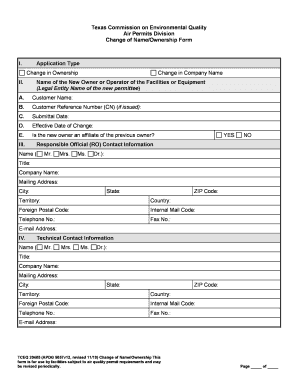
01. Edit your form online
Type text, add images, blackout confidential details, add comments, highlights and more.

Type text, add images, blackout confidential details, add comments, highlights and more.

Draw your signature, type it, upload its image, or use your mobile device as a signature pad.

Send it via email, link, or fax. You can also download it, export it or print it out.
The DC Workers Comp Compliance Form serves as an essential document that helps ensure both employers and employees adhere to the Workers' Compensation laws in the District of Columbia. This form is primarily directed towards documenting compliance with mandatory insurance coverage requirements and procedures following occupational injuries or illnesses. For employees, the form highlights their rights to claim medical services and benefits for lost wages due to work-related incidents. For employers, it asserts the necessity to maintain proper insurance and report any workplace injuries promptly. This form ultimately aids in protecting the rights of both employees and employers under the specified legal framework.
Completing the DC Workers Comp Compliance Form involves several critical steps to ensure accuracy and adherence to regulations. To begin, employees must gather personal information, employment details, and specifics about the injury or illness experienced. Employers play a role in this process by confirming the details provided by the employee and contributing additional information about workplace conditions. It is crucial to ensure that all sections are thoroughly completed; incomplete forms can lead to delays in processing claims or compliance verification. Employees and employers should work collaboratively to resolve any discrepancies before submission, adhering carefully to all stipulated requirements.
Employees should:
Employers need to:
Employing the DC Workers Comp Compliance Form is vital for several reasons. It ensures that both parties meet legal obligations under the District of Columbia Workers' Compensation Law, safeguarding against potential penalties for non-compliance. Moreover, it facilitates a structured process for reporting workplace injuries, which can expedite claims processing and avoid unnecessary disputes or delays. Efficient use of this form helps maintain a transparent and accountable work environment, fostering trust between employees and employers. Additionally, it affirms the employer’s commitment to employee welfare and regulatory adherence.
The legal use of the DC Workers Comp Compliance Form is pivotal in defending the rights of both employers and employees in the event of workplace injuries. The form helps to demonstrate compliance with required insurance policies and reporting protocols. Failure to correctly use and submit the form can result in significant legal ramifications, including fines or legal action. Accurately completing and maintaining this document not only ensures legal protection but also provides valuable documentation in the event of disputes or audits, reinforcing an organization’s legal compliance posture.
The DC Workers Comp Compliance Form comprises several key elements that need thorough attention:
The compliance form adheres to regulations unique to the District of Columbia. Key distinctions may include timeframes for reporting injuries and the scope of coverage benefits. Employers should be diligent in familiarizing themselves with specific state legislations, as the DC Workers' Compensation Law may differ from those in other jurisdictions. Staying informed about these regulations is crucial for maintaining compliance and avoiding penalties. Consulting state resources or legal advisors for the most current and comprehensive understanding can be beneficial.
Non-adherence to the requirements associated with the DC Workers Comp Compliance Form can have serious repercussions. Employers may face fines, increased insurance premiums, or legal actions if they fail to report injuries within set deadlines or neglect to maintain necessary insurance coverage. For employees, failure to report incidents can lead to denial of claims and loss of benefits. Both parties are encouraged to understand their responsibilities to avoid these severe penalties.
The DC Workers Comp Compliance Form can be submitted through various methods, each with its own advantages. Online submission offers a direct and efficient option, allowing for faster processing times and reducing paperwork. Mailing the form is traditional but can still be reliable for those without consistent internet access. In-person submission may be preferred for individuals who seek confirmation of receipt or require assistance to complete the form. Choosing the appropriate method can depend on the urgency and personal preferences of the submitting parties.
We've got more versions of the dc workers comp compliance form form. Select the right dc workers comp compliance form version from the list and start editing it straight away!
At DocHub, your data security is our priority. We follow HIPAA, SOC2, GDPR, and other standards, so you can work on your documents with confidence.