Definition and Meaning
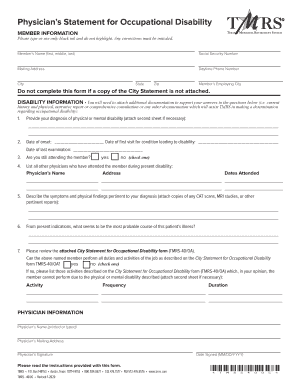
The Employment Verification Form is a crucial document used to confirm an individual's employment details. Typically, it requires input from employers and management to validate job status, salary, and relevant employment data of an applicant, often for housing programs or similar needs. The form ensures confidentiality and emphasizes the importance of accuracy and prompt completion to verify legitimate claims to employment status.
How to Use the Employment Verification Form
To use the Employment Verification Form effectively, both the applicant and the employer need to collaborate. The process often involves:
- Applicant's Authorization: The applicant must provide written permission for the employer to release employment information. This is critical for adhering to privacy laws.
- Employer Section: Employers should fill out details such as employee job title, employment status (full-time, part-time), and duration of employment. Accurate salary and any bonus information should also be provided.
- Submission: Once completed, the form is submitted to the requesting authority or entity, which could be a landlord, lender, or government agency.
Ensuring every section is correctly filled out prevents delays and ensures swift processing.
Key Elements of the Employment Verification Form
The core elements of an Employment Verification Form include:
- Applicant Information: Basic details like name, address, and contact information.
- Employer Details: Includes company name, address, contact person, and phone number.
- Employment Information: Job title, employment status, start date, and income details (salary, hourly wage, etc.).
- Confidentiality Agreement: A section affirming the confidential nature of the information provided.
- Signature Section: Space for signatures of both the employer and the employee, along with date fields to confirm the information authenticity.
Each component requires careful attention to ensure the information is accurate and complete.
Why You Should Use the Employment Verification Form
There are several compelling reasons to use this form:
- Credibility: Provides official proof of employment, increasing trust in the applicant's claims.
- Verification for Services: Many services and programs, such as housing assistance and lines of credit, require employment verification to qualify.
- Legal Compliance: Meets legal standards for confirming employment details as required by certain federal and state regulations.
- Confidentiality Assurance: Protects sensitive employee and employer data under privacy laws.
Using this form ensures transparent and reliable communication of employment status, which can facilitate smoother transactions and official dealings.
Steps to Complete the Employment Verification Form
Completing the Employment Verification Form involves several steps:
- Applicant Authorization: The first section is for the applicant to permit their employer to complete the form.
- Filling Out Employment Details: The employer provides detailed information. It's essential to include precise salary figures and employment terms.
- Review for Accuracy: Both parties should double-check the completed form to ensure all information is correct.
- Signatures: Both the employer and employee must sign the form, confirming the information's accuracy.
- Submission: Depending on the requesting party's requirements, either mail, fax, or securely email the completed form.
These steps ensure the form is completed accurately and submitted without errors.
State-Specific Rules for the Employment Verification Form
While the basic structure of an Employment Verification Form is generally consistent, there can be state-specific nuances:
- Data Privacy Laws: Different states have varied regulations regarding how personal employment information is handled, emphasizing the need for compliance with local privacy laws.
- Format Requirements: Some states might have specific forms or formats that are required for local housing or employment programs.
- Employment Regulations: Variations in state employment laws might affect the details that must be included.
Understanding these differences is crucial for ensuring the form meets all necessary legal requirements.
Examples of Using the Employment Verification Form
Real-world use cases for the Employment Verification Form include:
- Housing Applications: Individuals applying for rental housing might need this form to verify their income and employment stability to landlords.
- Loan Applications: Lenders often require employment verification as part of their application process to assess creditworthiness.
- Government Assistance Programs: Programs like food stamps or subsidized housing may require employment verification to determine eligibility.
These examples illustrate the form's versatility in various situations requiring employment validation.
Required Documents
Certain documents are typically required to accompany the Employment Verification Form:
- Government-issued Identification: To verify the identity of the applicant.
- Pay Stubs or Salary Slips: Provide additional proof of income and employment tenure.
- Employment Contract: To establish the terms of employment and validate details provided in the form.
Having these documents readily available ensures a smoother and quicker verification process.