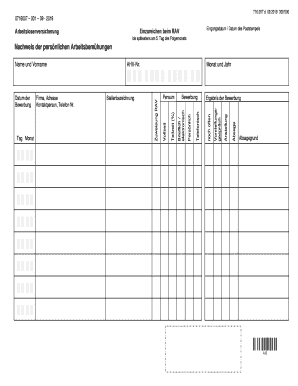
Ontario Tenancy Agreement - True Help 2026

Get Form
Ontario Tenancy Agreement - True Help Preview on Page 1

Here's how it works

01. Edit your form online
Type text, add images, blackout confidential details, add comments, highlights and more.

02. Sign it in a few clicks
Draw your signature, type it, upload its image, or use your mobile device as a signature pad.

03. Share your form with others
Send it via email, link, or fax. You can also download it, export it or print it out.

Definition and Meaning of the Ontario Tenancy Agreement

The Ontario Tenancy Agreement, often referred to as the rental agreement or lease, is a legally binding document that outlines the terms and conditions for renting residential property in Ontario. It serves as a contract between a landlord and a tenant, defining their respective rights and responsibilities. The agreement is mandated by Ontario's Residential Tenancies Act, ensuring both parties adhere to provincial regulations. This document covers essential aspects such as the duration of the tenancy, rental payments, rules regarding the use of premises, and obligations concerning repairs and maintenance.

Key Features of the Agreement

  • Parties Involved: Specifies who the landlord and tenants are, providing contact details for all parties.
  • Rental Terms: Defines the start and end date of the rental period and outlines renewal terms.
  • Payment Details: Specifies rent amount, due dates, and accepted payment methods.
  • Usage Rules: Lists allowable activities within the premises, including any restrictions on pets or alterations.
  • Maintenance and Repairs: Details responsibilities for maintaining the property in good condition.

How to Use the Ontario Tenancy Agreement - True Help

To effectively use the Ontario Tenancy Agreement - True Help, parties involved must first ensure clarity on each section. It is crucial to go through the agreement jointly and address any ambiguities or questions that may arise during review. This document can be modified to include additional clauses that meet specific needs, provided these additions comply with the Residential Tenancies Act.

Steps for Effective Use

  1. Preliminary Review: Both parties should read the entire agreement to identify areas needing clarification or modification.
  2. Amendments and Additions: Discuss and agree on any additional clauses that should be included, ensuring compliance with provincial laws.
  3. Signatures: Both landlord and tenant(s) must sign and date the agreement, confirming their acceptance of all terms.

Legal Use of the Ontario Tenancy Agreement - True Help

The Ontario Tenancy Agreement serves as a protective legal framework for both landlords and tenants. It ensures compliance with the Residential Tenancies Act, providing clear guidelines that help prevent misunderstandings and disputes. Using the agreement also helps facilitate legal recourse should conflicts arise during the tenancy.

Primary Legal Benefits

  • Compliance With Provincial Law: Ensures both parties recognize and adhere to rights and responsibilities as set by Ontario law.
  • Dispute Resolution: Provides an official reference for resolving disputes over rent, property maintenance, and other tenancy issues.
  • Enforceability: As a legally binding document, it can be enforced in court if either party violates the agreed terms.

Key Elements of the Ontario Tenancy Agreement

When drafting or reviewing an Ontario Tenancy Agreement, it is important to focus on several key elements that define the tenancy's framework. These elements ensure the agreement is comprehensive and aligned with legal requirements.

Essential Components

  • Rent Provisions: Details on how and when rental payments are to be made, including late fee terms if applicable.
  • Security Deposit: Information on the amount, purpose, and refund conditions of any security deposit collected.
  • Tenant and Landlord Obligations: Clearly outlined duties such as property upkeep, timely rent payments, and allowance for inspections.
  • Termination Conditions: Guidelines for ending the tenancy, including notice periods and conditions under which the agreement can be terminated.

Steps to Complete the Ontario Tenancy Agreement - True Help

Completing the Ontario Tenancy Agreement - True Help involves careful attention to detail to ensure all sections are filled out accurately and completely. This process ensures clarity and reduces the likelihood of disputes during the tenancy.

Completion Procedure

  1. Personal and Property Details: Fill in complete information about the landlord, tenant, and property address.
  2. Rent and Payment Terms: Specify the agreed rent amount, due dates, and payment methods.
  3. Terms of Tenancy: Record the lease period and any renewal options or conditions.
  4. Signatures and Dates: Both parties should review, sign, and date all copies of the agreement.

Important Terms Related to Ontario Tenancy Agreement - True Help

Understanding the vocabulary used in an Ontario Tenancy Agreement is vital for both landlords and tenants. Familiarity with these terms helps parties fully grasp their contractual obligations and rights.

Commonly Used Terms

  • Lessee: The tenant who is leasing the property.
  • Lessor: The landlord or property owner offering the lease.
  • Premises: The property that is being rented, often outlined with specific location details.
  • Breach: A violation of any terms outlined in the agreement.
  • Fixture: An item affixed to the property that is typically included in the rental, such as appliances.

State-Specific Rules for the Ontario Tenancy Agreement

While the Ontario Tenancy Agreement is a standardized document, certain provisions are unique to the provincial laws governing tenancies. Understanding these regulations is crucial for both landlords and tenants engaging in rental agreements within Ontario.

Provincial Regulations

  • Rent Increase Limits: Ontario frequently updates guidelines on how much rent can be increased annually.
  • Notice Requirements: Specific notice periods must be observed for tenancy terminations, depending on the duration of tenancy and reason for ending the agreement.
  • Eviction Protocols: Detailed legal procedures must be followed before a landlord can lawfully evict a tenant.

Penalties for Non-Compliance

Failure to adhere to the terms outlined in the Ontario Tenancy Agreement can lead to significant legal and financial repercussions. Both tenants and landlords must understand these potential penalties to avoid unintentional violations.

Consequences of Violation

  • Legal Action: Non-compliance can result in court actions, where a judge may enforce specific performance or damages.
  • Fines: Violations of tenant rights may lead to monetary fines imposed by regulatory authorities.
  • Eviction: For tenants, breaching the agreement may result in a lawful eviction process initiated by the landlord.

Understanding and adhering to these foundational elements of the Ontario Tenancy Agreement ensures a smooth and cooperative rental experience. Accurately completing and following this document also serves as a vital step in safeguarding one's legal standing within Ontario's rental market.

be ready to get more

Complete this form in 5 minutes or less

Get form

Got questions?

We have answers to the most popular questions from our customers. If you can't find an answer to your question, please contact us.
Contact us
Overview of Ontarios 2025 Rent Increase Guidelines Ontario landlords must follow strict rent control guidelines under the Residential Tenancies Act (RTA). For 2025, the official Ontario Government Rent Increase Guideline sets the maximum allowable rent increase at 2.5%, applying to most private residential rentals.
The law says that your landlord or anyone who is working for them is not allowed to harass you, threaten you, or invade your privacy. And if youre being harassed by another tenant, your landlord must take reasonable steps to fix the problem. Examples of harassment include: yelling at you or insulting you.
Landlords cannot impose repayment agreements on tenants, and tenants cannot be evicted for refusing a rent repayment plan. Its an offence under the Residential Tenancies Act, 2006 for a landlord to harass or threaten a tenant to get them to move out.
Landlords are responsible for maintaining and repairing: Appliances (fridge, stove, dishwasher, laundry if they are included in rent) Common areas (halls, lobbies, stairwells) Elevators. Security systems. Swimming pools. Gym facilities. Laundry facilities. Garbage rooms.
Reasons a Landlord Can Apply to Evict a Tenant Abandoned rental unit. Agreement to end the tenancy. BdocHub of order or mediated settlement. Ceases to qualify for subsidized housing. Convert use to non-residential. Condominium purchase failed. Damage. Demolition.

Security and compliance

At DocHub, your data security is our priority. We follow HIPAA, SOC2, GDPR, and other standards, so you can work on your documents with confidence.
Learn more
ccpa2
pci-dss
gdpr-compliance
hipaa
soc-compliance

People also ask

The Advocacy Centre for Tenants Ontario (ACTO) is a specialty community legal clinic with a provincial mandate to advance and protect the interests of low-income tenants.
Under the Act, landlords have several important rights, including the right to: select their tenants, using income information, credit checks and references, rental history, and similar-type criteria as prescribed in the Ontario Human Rights Code, collect rent,
Normally, you are required to give your landlord 30 or 60 days notice. A penalty is common, usually one months rent. Less commonly, your lease agreement may allow you to terminate your lease early if you experience financial hardship, such as a major illness, or meet other specific requirements.

Related links