






Definition and Purpose of the Dog Adoption Application
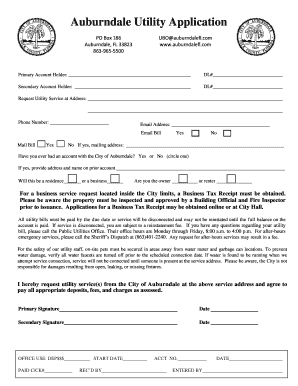
A dog adoption application serves as a formal document utilized by adoption agencies and shelters to gather detailed information from potential adopters. It functions as a critical screening tool to ensure that the prospective pet owner is well-suited to provide a loving and responsible home for a dog. This application covers various aspects, such as personal details, living situation, and past experiences with pets, to gauge the adopter's readiness and commitment. By standardizing the evaluation criteria, shelters can better match dogs with adopters who meet the necessary qualifications, ultimately promoting successful and sustainable adoptions.
Steps to Complete the Dog Adoption Application
Completing a dog adoption application involves several steps designed to thoroughly assess the adopter's suitability:
-
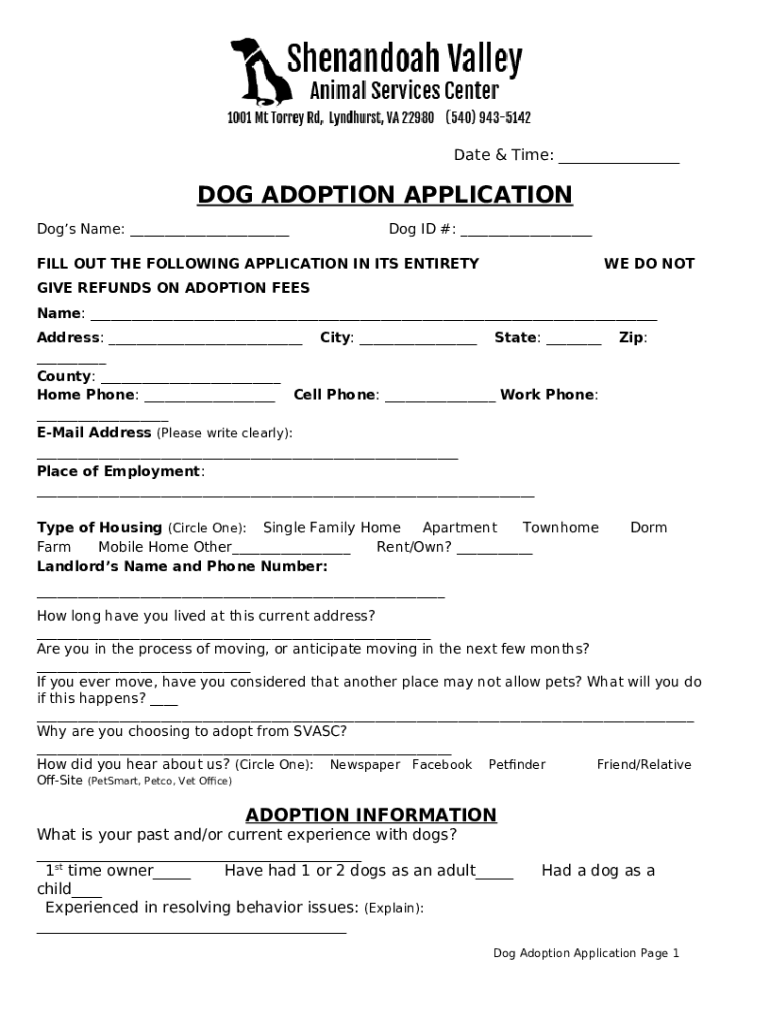
Filling in Personal Details: Start by providing basic information, including full name, address, contact details, and occupation.
-
Describing the Living Situation: Supply information on your housing arrangements, whether you rent or own your home, and details about your neighborhood and living space.
-
Current and Past Pet Ownership: Outline your history with pets, specifying any current animals in the household and previous experiences with dog ownership, including the reasons for any changes (such as rehoming or passing away).
-
Providing References: List references who can vouch for your character and suitability as a pet owner. This commonly includes current or previous veterinarians and personal references who have observed your interaction with animals.
-
Agreeing to Terms and Conditions: Read and agree to the shelter's requirements and policies, such as the understanding that adoption fees are non-refundable and that future follow-ups may occur to ensure the dog's well-being.
Key Elements of the Dog Adoption Application
The importance of each section within the dog adoption application cannot be overstated, as they collectively contribute to the comprehensive evaluation of the potential adopter:
-
Personal Information: This section provides the basic identity and contact details necessary for further communication.
-
Household Dynamics: Understanding the household's composition, including children and other pets, helps shelters assess environmental suitability.
-
Pet Ownership History: Insights into prior pet ownership reveal the adopter's experience level and potential compatibility with the dog.
-
Veterinary Care Preparedness: Ensures that adopters are ready and willing to handle regular veterinary visits, vaccinations, and emergency care.
-
Commitment Acknowledgment: Acknowledging the responsibilities of pet ownership is critical for fostering realistic expectations and long-term commitment from the adopter.
Legal Use of the Dog Adoption Application
Dog adoption applications are legally binding documents that establish understanding and agreement between the adopter and the shelter or adoption agency. The document outlines the adoption conditions, emphasizing that adopters must fulfill specific obligations, such as providing adequate care, adhering to local licensing regulations, and not rehoming the dog without prior approval. Ensuring that these legal elements are clearly stated protects the rights of both parties and promotes transparency throughout the adoption process.
Eligibility Criteria for Adoption
Each shelter may have specific eligibility criteria potential adopters must meet, often detailed within the adoption application:
-
Age Requirement: Typically, adopters must be at least 18 years of age.
-
Stable Living Situation: Demonstrates a safe, stable environment suitable for a pet.
-
Financial Stability: Ability to afford routine and emergency veterinary care, quality food, and other dog-related expenses.
-
Lifestyle Compatibility: Commitment to providing daily exercise, training, and socialization, aligned with the dog's breed and temperament.


Form Submission Methods
The dog adoption application can be submitted through several channels, each designed to facilitate ease of access:
-
Online Submission: Many shelters offer online forms that can be completed and submitted directly through their websites, streamlining the application process.
-
In-Person Submission: Some prospective adopters may choose to visit the shelter, completing and submitting forms on-site.
-
Mail: For adopters preferring traditional methods, applications can be printed, completed, and sent via postal mail.
State-Specific Rules and Considerations
Adoption rules and considerations can vary by state, reflecting local legal requirements and cultural attitudes towards pet ownership. Prospective adopters should:
-
Understand Local Regulations: Familiarize themselves with specific laws regarding pet ownership in their area, including licensing and leash laws.
-
Acknowledge Regional Differences: Be aware that certain breeds might face restrictions or bans in specific areas due to local ordinances.
Digital vs. Paper Versions of the Application
Adoption agencies often provide flexibility by offering both digital and paper versions of the dog adoption application. Each method presents unique benefits:
-
Digital Applications: Enable faster processing, easier data management, and reduced paper waste. They often allow for immediate updates and communication regarding the application status.
-
Paper Applications: Provide a tangible format for those who prefer physical documentation. They can be convenient for individuals without reliable internet access.
By understanding the comprehensive elements and processes involved in the dog adoption application, prospective adopters can prepare effectively, ensuring they present a complete and considered application to shelters, reflecting their suitability and readiness to welcome a new canine companion.