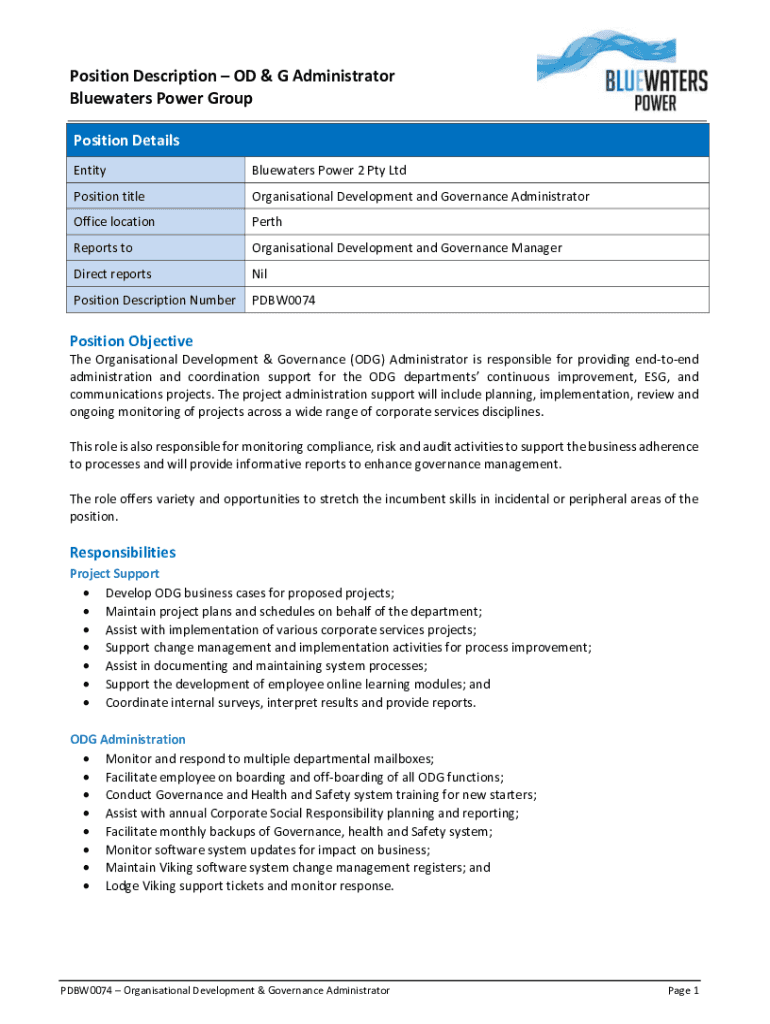







Definition and Importance of the Optometrist Job Description Template
An Optometrist Job Description Template is a standardized document used by healthcare institutions and practices to outline the responsibilities, qualifications, and expectations for the role of an optometrist. This template serves as a foundational tool in the recruitment process, enabling employers to articulate the essential duties and skills required for potential candidates effectively. By providing a clear and consistent job description, employers can attract suitable candidates who understand the scope and requirements of the position, thus facilitating a more efficient hiring process.
Optometrists play a crucial role in the healthcare industry by diagnosing vision problems, prescribing corrective lenses, and identifying eye health issues. Utilizing a job description template helps ensure that the candidates hired have the necessary qualifications and are aligned with the organizational goals of delivering excellent patient care.
How to Use the Optometrist Job Description Template
Using the Optometrist Job Description Template effectively involves several steps to tailor the document to specific organizational needs while ensuring it meets industry standards.
- Customization: Begin by adapting the template to reflect the unique aspects of your practice, including specialized services or technologies used.
- Detail Key Responsibilities: Clearly outline the daily duties an optometrist is expected to perform, such as patient examination, diagnosis, and treatment planning.
- Qualification Requirements: Specify educational and licensing requirements, along with any necessary certifications or experience in particular optometric areas.
- Behavioral Expectations: Include desired soft skills, such as communication ability, teamwork, and problem-solving skills, which are crucial for interacting effectively with patients and staff.
- Review and Finalize: Once customized, review the description with relevant stakeholders to ensure accuracy and completeness before posting for applicants.
Key Elements of the Optometrist Job Description Template
The Optometrist Job Description Template should contain several critical elements to provide a comprehensive overview of the position and attract the right candidates.
- Position Overview: A succinct summary of the role's purpose within the organization.
- Primary Duties: A detailed list of tasks and responsibilities, including patient care, diagnostics, and administrative duties.
- Required Qualifications: Educational background, necessary licenses, certifications, and relevant experience.
- Skills and Competencies: Both professional and interpersonal skills needed for success in the role.
- Work Environment: Description of the physical and organizational setting in which the optometrist will operate.
- Compensation and Benefits: Information on salary range, benefits package, and potential for professional development.
Steps to Complete the Optometrist Job Description Template
Completing the Optometrist Job Description Template is a process that involves gathering information, refining content, and ensuring compliance with local employment standards.
- Information Gathering: Collect data about the role, responsibilities, and current industry standards.
- Drafting: Use the collected data to draft each section of the template, ensuring clarity and detail.
- Revisions: Collaborate with department heads or senior optometrists to revise and refine the draft.
- Compliance Check: Ensure the description complies with regional labor laws and healthcare regulations.
- Approval: Obtain final approval from HR and other necessary stakeholders before distribution.
Who Typically Uses the Optometrist Job Description Template
The Optometrist Job Description Template is primarily used by:
- Healthcare Administrators: For outlining job roles and hiring purposes.
- Human Resources Departments: To ensure consistency and compliance in job postings and recruitment.
- Optometry Practices: Independent practices use the template to clarify roles within their organizations.
- Training Programs: Institutions offering optometry education may use templates as educational tools to prepare students for the workforce.


Examples of Using the Optometrist Job Description Template
Real-world examples illustrate how different organizations employ the Optometrist Job Description Template to achieve various objectives.
- Academic Institutions: Adjust the template to include a focus on research and teaching roles to attract candidates interested in academia.
- Corporate Healthcare Chains: Use standardized templates across multiple locations to maintain consistency in recruitment and employee expectations.
- Specialized Clinics: Modify the description to emphasize expertise in niche areas, such as pediatric optometry or contact lenses.
Legal Use of the Optometrist Job Description Template
When using an Optometrist Job Description Template, it’s crucial to ensure that the document adheres to legal standards and best practices.
- Equal Opportunity Employment: Include language affirming the practice's commitment to unbiased hiring and employment.
- Job Description Updates: Regularly update the description to reflect any changes in job scope or regulatory requirements.
- Documentation: Retain copies of job descriptions to document compliance with employment standards.
Digital vs. Paper Version
Optometrist Job Description Templates can be utilized in both digital and paper formats, each offering distinct advantages.
- Digital Version: Enables easy distribution, updates, and integration with online job boards and recruitment platforms.
- Paper Version: Useful for physical records and when technology use is limited or restricted.
The choice between digital and paper versions should consider organizational capabilities and the preferred method of reaching potential candidates.