01. Edit your nevada resale certificate online
Type text, add images, blackout confidential details, add comments, highlights and more.

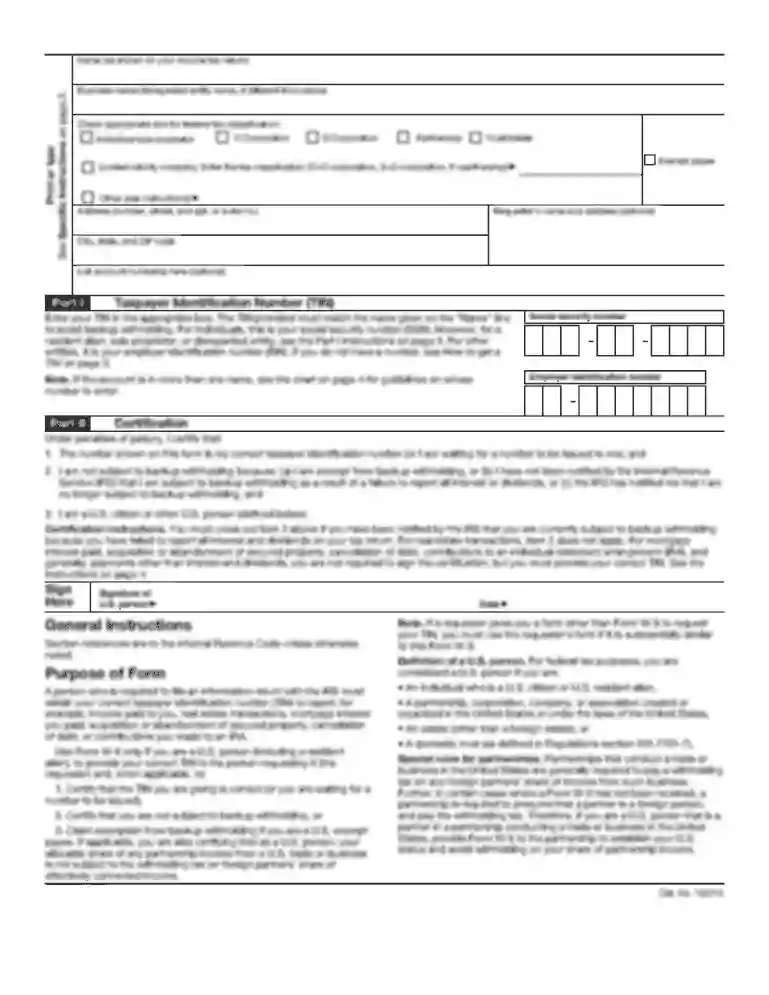
Type text, add images, blackout confidential details, add comments, highlights and more.

Draw your signature, type it, upload its image, or use your mobile device as a signature pad.

Send editable resale certicate nevada via email, link, or fax. You can also download it, export it or print it out.
The Nevada resale certificate is a crucial document for businesses engaged in the resale of tangible personal property. It certifies that the holder has a valid seller's permit and intends to resell the purchased items in their original condition. By presenting this certificate to suppliers, businesses can purchase goods without paying sales tax, provided those goods are for resale and not for personal use. This tax-exempt buying process simplifies accounting workflows and ensures compliance with Nevada's sales tax laws.
The resale certificate is used at the point of purchase to exempt a reseller from paying sales tax on items they intend to sell to customers. When making a purchase, present the certificate to the supplier or vendor as proof of your tax-exempt status. Suppliers are responsible for retaining a copy of the certificate for their records. The usage of the resale certificate must align with legal guidelines to avoid any misapplication, which could lead to significant tax liabilities.
To obtain a Nevada resale certificate, businesses must first secure a seller's permit from the Nevada Department of Taxation. Once the permit is obtained, businesses can download or request a resale certificate form. The form generally requires filling out business details, seller's permit number, and a statement confirming that the purchases are for resale. Accurate and complete information is crucial to prevent delays in processing or approval.
The resale certificate includes several essential components that must be accurately completed:
Nevada has specific rules governing the use of resale certificates. Businesses must be aware of these to ensure compliance:
Failure to comply with Nevada's resale certificate regulations can result in severe penalties, including:
Consider a retail clothing store in Las Vegas. The owner purchases wholesale clothing to sell in the store. By providing the supplier with a resale certificate, the retailer can avoid paying sales tax on these purchases, thus improving cash flow and reducing overall costs.
Another scenario involves a tech retailer acquiring electronic devices from a distributor. As long as these items are for resale, the retailer will present a resale certificate to purchase tax-free. If any items are used as store exhibits and not sold, tax must be reported and paid on those items.
At DocHub, your data security is our priority. We follow HIPAA, SOC2, GDPR, and other standards, so you can work on your documents with confidence.