




Definition and Meaning of "Form Online"
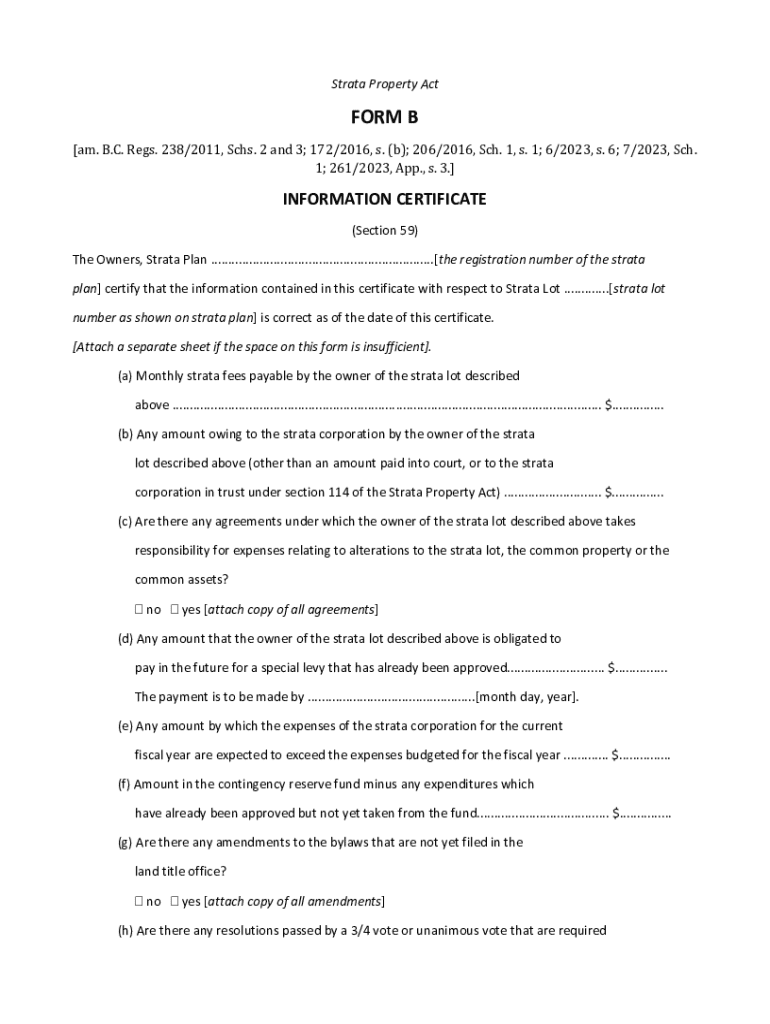
Form online refers to the capability to complete various types of forms digitally using an internet-enabled device. This includes not only filling out forms traditionally printed on paper but interacting with dynamic, interactive templates designed to enhance user interactivity and data collection. Online forms can range from simple contact forms to detailed government submissions. They eliminate the need for physical paperwork, streamline data collection, and can be integrated with other digital tools and platforms for streamlined processing.
- Purpose: Online forms are designed to gather data efficiently, ensuring ease of access and immediate processing of submitted information.
- Types: Examples include tax forms, registration forms, feedback forms, and more.
How to Use the Form Online
Successfully using a form online involves several steps that maximize efficiency and accuracy:
-
Access the Form: Navigate to the platform offering the form, such as a government website, company portal, or document management tool like DocHub.
-
Review Instructions: Before beginning, read all instructions to understand required information and format preferences.
-
Fill Out Form Fields: Input data into all necessary fields, which may include text input, dropdown selections, and checkboxes.
-
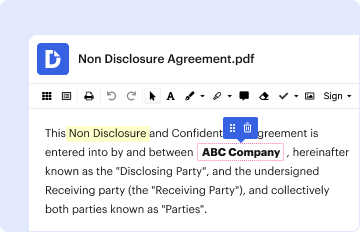
Utilize Annotation Tools: For document management platforms, use annotation tools to add text, comments, or highlight sections.
-
Save Progress: Regularly save your progress to prevent data loss due to connectivity issues or accidental closure.
-
Review for Accuracy: Double-check all entries to ensure accuracy, focusing on required fields and correct formats.
How to Obtain the Form Online
To access forms online, you'll need to identify the appropriate source and method of retrieval:
-
Official Websites: Government forms can often be found on official websites like IRS.gov for tax forms or state department sites for specific local forms.
-
Document Management Platforms: Platforms like DocHub allow users to import and create fillable forms from existing documents.
-
Emails and Links: Forms may be shared via secure links or email attachments from official entities requiring your input.
-
Cloud Storage Services: Import forms directly from services like Google Drive or Dropbox for ease of use.
Steps to Complete the Form Online
Completing an online form requires careful attention to detail:
-
Gather Required Information: Collect all necessary documents and personal or business information before starting.
-
Enter Data Accurately: Follow the form's guided entry points, correctly filling each necessary field.
-
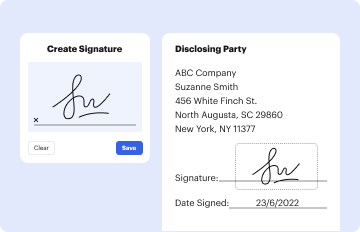
Insert Digital Signatures: Use electronic signature features to authenticate your document if required.
-
Attach Supporting Documents: Attach any necessary files or evidence that are part of the form's requirements.
-
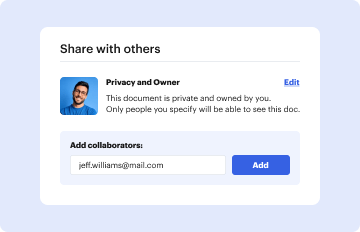
Set Permissions: For collaborative environments, define who can view or edit the form before submission.
-
Submit Form: Follow the designated procedure for submission. This might be an online upload or a postal submission if required in print.
Why Should You Form Online
The advantages of using online forms are numerous:
- Efficiency: Quick access and completion reduce time spent compared to offline methods.
- Cost-Effective: Eliminates costs associated with printing, postage, and manual data entry.
- Environmentally Friendly: Reduces reliance on paper, contributing to sustainability efforts.
- Error Reduction: Digital forms often validate input, minimizing errors due to incorrect data entries.
Who Typically Uses the Form Online
Various individuals and organizations benefit from using forms online:
-
Businesses: Use forms for internal data collection, employee onboarding, or client intake processes.
-
Government Agencies: Process public submissions like tax filings or census data collection.
-
Educational Institutions: Manage student enrollment or feedback through digital forms.
-
Healthcare Providers: Streamline patient forms and data intake, improving patient service.

Important Terms Related to Form Online
Understanding key terms enhances the user experience with online forms:
-
Fillable Field: An interactive element in a form where users input information.
-
Electronic Signature: A digital form of signing a document, holding legal validity.
-
Cloud Integration: The ability to access, edit, or store forms via cloud-based services.
-
Data Encryption: Securing data during transit and storage to protect sensitive information.
Legal Use of the Form Online
Adhering to legal standards is crucial when using online forms:
-
Compliance with Laws: Forms must adhere to relevant laws, such as the ESIGN Act, ensuring electronic signatures are valid.
-
Privacy Laws: Compliance with laws like GDPR or CCPA for handling personal data is essential.
-
Legal Binding: Properly formatted online forms with secure digital signatures are legally binding, similar to traditional handwritten documents.
-
Audit Trails: Maintaining a record of form interactions and submissions for legal and auditing purposes.