







Definition & Meaning
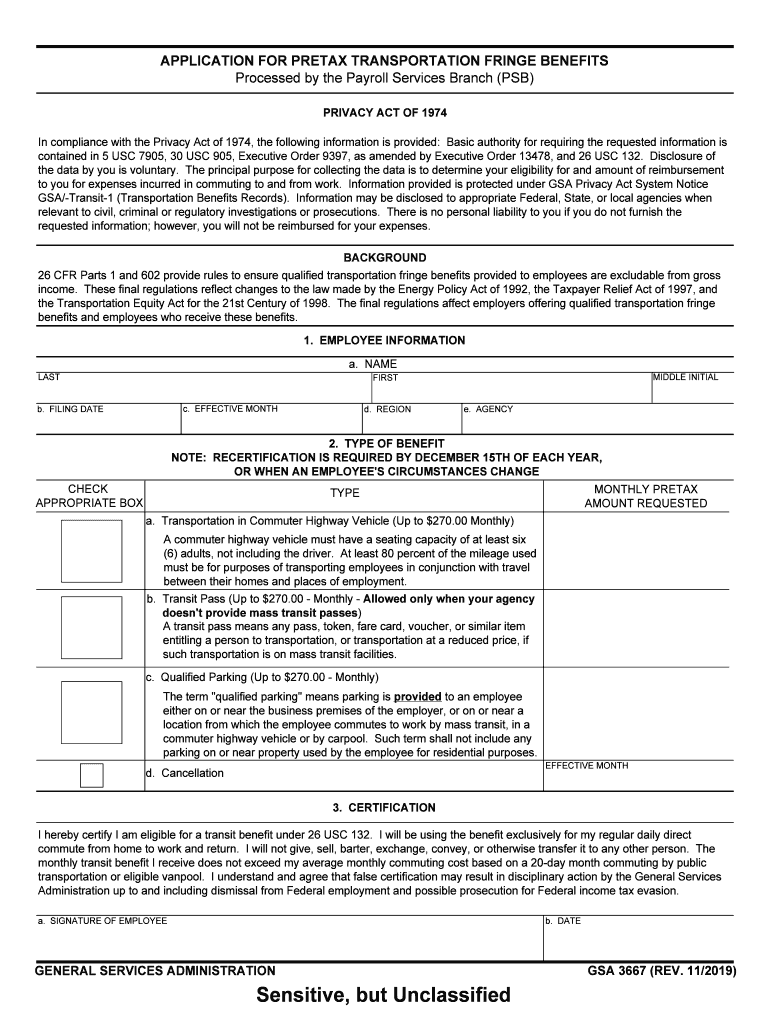
The term "Sensitive, but Unclassified - GSA" refers to information that is not classified under national security criteria but still requires protection due to its sensitivity and potential impact if disclosed. In the context of the General Services Administration (GSA), this classification helps safeguard information related to procurement, infrastructure, and government operations from unauthorized access. These documents might include procurement proposals, project plans, or internal communications that could compromise government efficiency if exposed.
How to Obtain the Sensitive, but Unclassified - GSA
To access documents marked as “Sensitive, but Unclassified - GSA,” you typically need to go through a formal request process. This process involves submitting a Freedom of Information Act (FOIA) request to the GSA. The request must include a detailed description of the document you seek, reasons for the request, and any relevant identification or affiliation associated with the requester. The GSA evaluates each request to ensure that the release will not compromise governmental operations or expose sensitive data to unauthorized parties.
How to Use the Sensitive, but Unclassified - GSA
Once granted access, the use of “Sensitive, but Unclassified - GSA” documents is generally restricted to specific purposes. Users must adhere to guidelines that often prohibit the dissemination of such information beyond authorized personnel or circumstances. The documents can be used for research, policy development, or operational planning, as long as the integrity and confidentiality of the information are maintained. Violating these guidelines can lead to serious repercussions, including legal action or revocation of access rights.
Steps to Complete the Sensitive, but Unclassified - GSA
-
Identify the Need: Clearly determine why you require access to Sensitive, but Unclassified - GSA documents.
-
Submit a Request: File a request through the GSA’s official process, usually involving a FOIA request.
-
Provide Justification: Clearly explain the purpose of access and how it serves a governmental or organizational function.
-
Await Evaluation: The GSA will review your request to ensure compliance with legal and policy guidelines.
-
Access and Use: If approved, access the documents under specified conditions and adhere to all restrictions on use and dissemination.
Key Elements of the Sensitive, but Unclassified - GSA
Several key elements define the classification of "Sensitive, but Unclassified - GSA." These include:
- Confidentiality Requirements: The need to protect the information from broader public disclosure.
- Access Controls: Limitations on who can view or use the documents.
- Distribution Restrictions: Guidelines on how the information can be shared among stakeholders.
- Audit Trails: Systems to track who has requested and accessed the documents.
These elements ensure that sensitive information is appropriately managed and safeguarded.
Legal Use of the Sensitive, but Unclassified - GSA
The legal framework surrounding "Sensitive, but Unclassified - GSA" is designed to balance transparency with security. Users must comply with federal statutes such as the Privacy Act and related GSA policies that govern the protection and use of sensitive information. Legal use involves abiding by all associated agreements and refraining from sharing information with unauthorized parties, ensuring that sensitive data is used solely for its intended purpose.
Who Typically Uses the Sensitive, but Unclassified - GSA
Government employees, contractors, and partners authorized to work with the GSA commonly use documents marked as “Sensitive, but Unclassified - GSA.” These individuals often require information for:
- Conducting Procurement and Bids: Accessing proposals and negotiations.
- Operational Planning: Managing infrastructure and logistics.
- Policy Development: Crafting and reviewing government policies.
Each role demands confidentiality and a comprehensive understanding of the guidelines governing document usage.


Important Terms Related to Sensitive, but Unclassified - GSA
Mastering key terminology associated with "Sensitive, but Unclassified - GSA" is essential for effectively navigating and managing these documents:
-
Access Authorization: The permissions granted to an individual for reviewing sensitive documents.
-
Nondisclosure Agreement (NDA): A legal contract that outlines the confidentiality requirements and penalties for unauthorized disclosure.
-
Information Sensitivity: The classification level indicating potential harm from disclosure.
Understanding these terms ensures that users handle sensitive information correctly and responsibly.
Examples of Using the Sensitive, but Unclassified - GSA
One example of using "Sensitive, but Unclassified - GSA" documents includes reviewing government procurement bids to decide on contract awards. Procurement officers access these documents to compare bids, assess detailed specifications, and ensure compliance with government standards while maintaining the confidentiality of each bid's proprietary details.
Another scenario involves city planners using the documents for infrastructure projects. They utilize the data for project assessments and strategic planning to enhance local community developments, all the while keeping sensitive logistical information private.
Software Compatibility
Sensitive, but Unclassified documents, when shared digitally, must be compatible with secure software solutions like those offered by DocHub. These platforms ensure that data encryption and authorization protocols maintain information integrity during editing, sharing, and storage. Users should ensure software compatibility for seamless access and modification while adhering to security standards, integrating effortlessly with cloud services like Google Workspace for document handling.
Disclosure Requirements
When dealing with "Sensitive, but Unclassified - GSA" documents, disclosure requirements emphasize maintaining confidentiality and proper usage. Authorized users are strictly limited in how this information can be shared, often requiring approvals before any external disclosure. Failure to comply with these requirements can result in revocation of access, disciplinary actions, or legal consequences.
Application Process & Approval Time
The application process for accessing "Sensitive, but Unclassified - GSA" documents involves detailed requests through federal channels like FOIA. The review and approval times can vary based on several factors, including volume of requests and the complexity of the information sought. Applicants are advised to provide comprehensive details in their request to expedite the process.




