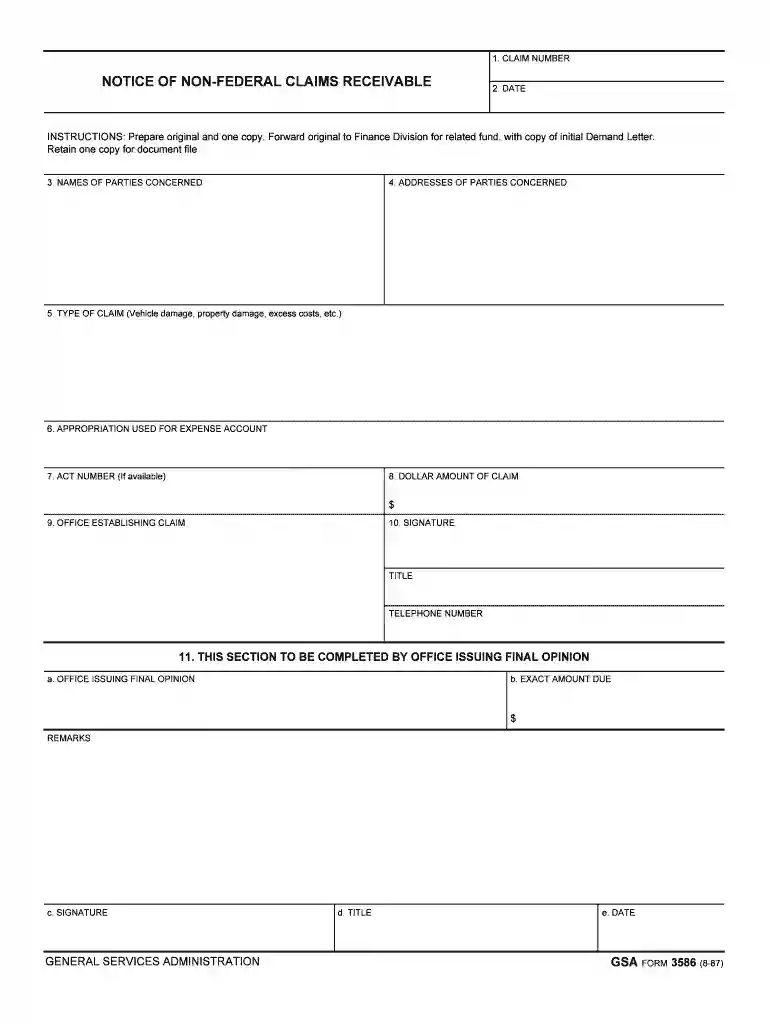
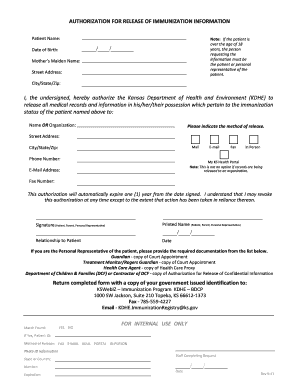
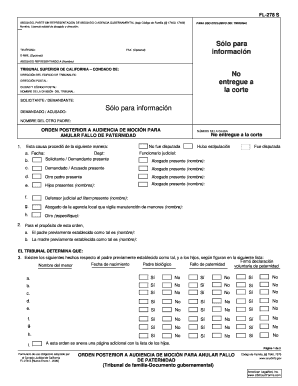
INSTRUCTIONS: Prepare original and one copy 2026

Get Form
INSTRUCTIONS: Prepare original and one copy Preview on Page 1

Here's how it works

01. Edit your form online
Type text, add images, blackout confidential details, add comments, highlights and more.

02. Sign it in a few clicks
Draw your signature, type it, upload its image, or use your mobile device as a signature pad.

03. Share your form with others
Send it via email, link, or fax. You can also download it, export it or print it out.

Definition & Meaning

The instruction "Prepare original and one copy" typically refers to the requirement of producing two sets of the same document, where one set is the original and the other is a copied version. This is often necessary in legal, business, or administrative contexts where documentation needs to be filed or shared with multiple parties. The original document serves as the authentic reference, while the copy ensures redundancy and wider distribution for involved stakeholders.

Examples of Usage

  • Legal contracts often need an original for archival purposes and a copy for the client.
  • Government applications may require an original form to be submitted with supporting documentation, with a copy retained for personal records.

Importance in Practice

Producing both an original and a copy ensures information is accurately preserved and accessible across necessary channels, reducing the risk of data loss.

How to Use the INSTRUCTIONS: Prepare Original and One Copy

Using the instruction "Prepare original and one copy" involves specific steps to ensure compliance and accuracy.

Step-by-Step Process

  1. Draft the Document: Create the original version. Ensure all required information is accurate and complete.
  2. Review: Proofread the original for errors.
  3. Copy Creation: Duplicate the original to create a copy.
  4. Labeling: Clearly label each version as "Original" and "Copy."
  5. Storage: Secure the original in a safe, accessible location.
  6. Distribution: Send the copy to the intended recipient(s) or use it for application/filing purposes.

Practical Tips

  • Utilize quality printing or copying methods to ensure legibility.
  • Keep a digital version to serve as a backup.

Steps to Complete the INSTRUCTIONS: Prepare Original and One Copy

Successfully completing the requirement involves adherence to certain steps and standards to ensure the documents fulfill their intended legal and functional requirements.

Key Steps

  • Understand the Requirements: Ensure clarity on which documents need duplication.
  • Select the Right Tools: Use reliable software or hardware to avoid inaccuracies.
  • Verify Completeness: Double-check that all pages of the original and copy are included.

Scenarios

  • For legal filings, ensure notarization or additional certifications, if required, are similarly duplicated.

Key Elements of the INSTRUCTIONS: Prepare Original and One Copy

Identifying the crucial components involved in this process is vital for compliance and effectiveness.

Core Components

  • Document Accuracy: Ensure all information is correct in both sets.
  • Legible Copies: Verification that the copied set is clear and legible.
  • Secure Storage: Proper storing of the original to prevent unauthorized access or loss.

Additional Considerations

  • For documents with legal significance, validate whether additional copies are necessary for third-party submissions.

Legal Use of the INSTRUCTIONS: Prepare Original and One Copy

Certain legal guidelines dictate when and how this instruction is applied to ensure validity and compliance.

Compliance Measures

  • Adhering to Regulations: Follow guidelines specific to the jurisdiction or industry it applies to.
  • Purposeful Duplication: The duplication should serve a clear legal or procedural purpose.

Relevant Legal Context

  • This often applies in legal filings, business agreements, or governmental procedures where an original with one certified copy is legally mandated.

Important Terms Related to INSTRUCTIONS: Prepare Original and One Copy

Understanding related terminology aids in comprehending and fulfilling this instruction accurately.

Terms and Definitions

  • Original Document: The first, authoritative version of a document.
  • Copy: A duplicate of the original intended for secondary use or archiving.
  • Certified Copy: A legally verified duplicate that confirms the copy matches the original.

Contextual Application

Knowing these terms prevents misinterpretation and ensures procedural accuracy in document-related tasks.

Examples of Using the INSTRUCTIONS: Prepare Original and One Copy

Practical examples highlight how this instruction is utilized across different scenarios.

Scenario Illustrations

  • Legal Filings: In court cases, attorneys often prepare original affidavits with a certified copy for submission.
  • Real Estate Transactions: Original agreements are maintained in real estate companies' files, with copies sent to clients.

Effectiveness

These use cases simplify understanding by showcasing real-world applications and benefits of adhering to these instructions.

Required Documents

Determining what documents are required to accompany the instruction helps ensure proper compliance.

Checklist

  • Supporting Documentation: In many cases, the original and copy need accompanying records or evidence.
  • Identification Verification: Necessary for documents requiring signer identity confirmation.

Comprehensive Preparation

Having a well-prepared set of documents with all necessary inclusions supports smoother processing and reduces the likelihood of errors or rejections.

be ready to get more

Complete this form in 5 minutes or less

Get form

Got questions?

We have answers to the most popular questions from our customers. If you can't find an answer to your question, please contact us.
Contact us
(a) Drivers Record. Motor carriers shall require each driver and each co-driver to keep a drivers record of duty status (RODS) pursuant to Section 1213. Motor carriers shall keep the original copies of all drivers records with any supporting documents, as defined in Section 1201(y), for 6 months.
Truckers still need to keep a paper log book with them even when using an ELD. In the event of an ELD malfunction, truckers are required to switch to a paper log book until the ELD is repaired or replaced. Drivers must keep at least eight days of paper logs with them at all times.
If you operate within 160 km of your home terminal (and return each day to that home terminal) you are not required to complete a RODS and therefore dont require an ELD. See section 77(3) of the Regulations for additional requirements. However, if you drive outside of the 160 km at any time, you will require an ELD.
All motor carriers and drivers, including those operating in intrastate commerce, are required to use an ELD to record a drivers RODS, pursuant to Title 13 of the California Code of Regulations (CCR), Section 1213(a)(1), unless otherwise exempted.
395.3 Maximum driving time for property-carrying vehicles. A driver may not drive without first taking 10 consecutive hours off duty; (2) 14-hour period. A driver may not drive after a period of 14 consecutive hours after coming on-duty following 10 consecutive hours off-duty.

Security and compliance

At DocHub, your data security is our priority. We follow HIPAA, SOC2, GDPR, and other standards, so you can work on your documents with confidence.
Learn more
ccpa2
pci-dss
gdpr-compliance
hipaa
soc-compliance

People also ask

Drivers and carriers are responsible for maintaining compliance with Federal Motor Carrier Safety Administration (FMCSA) regulations. When a driver or carrier is caught breaking these rules (commonly referred to as DOT violations), they face penalties and fines, and their actions can jeopardize public safety.

Related links