Definition and Meaning
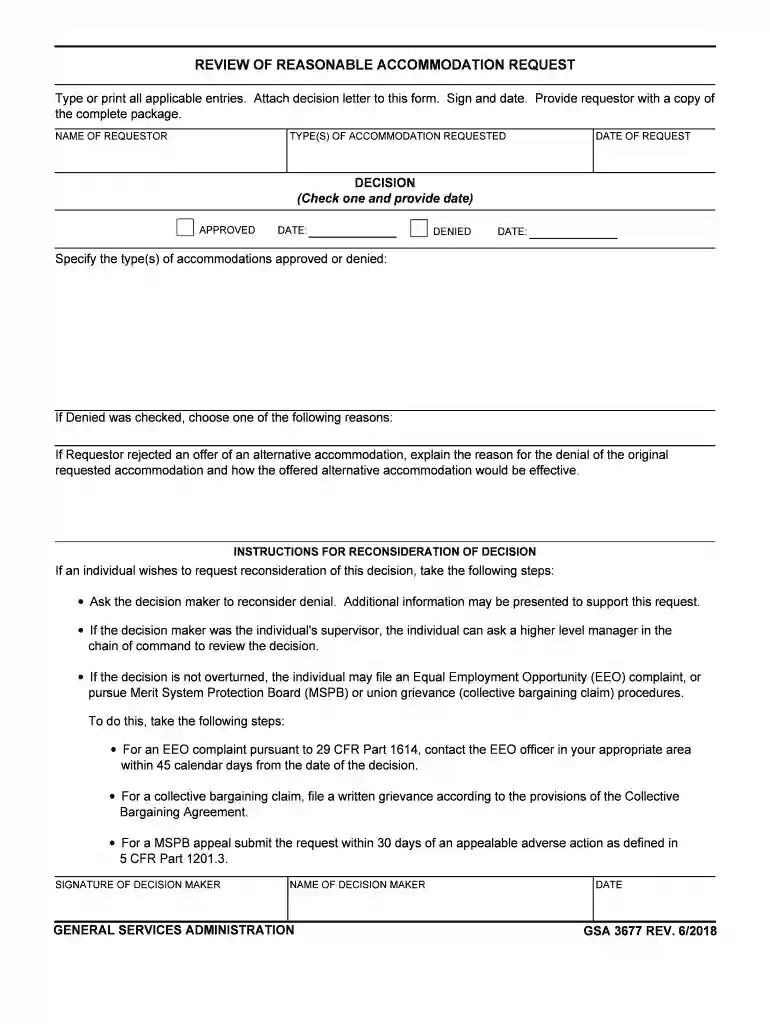
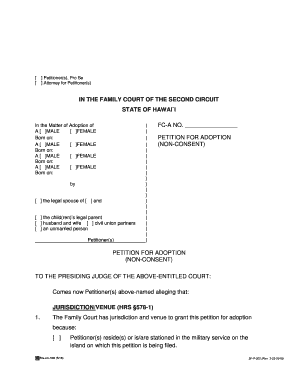
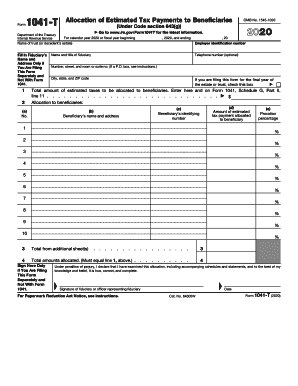
"Type or print all applicable entries" is a common instruction found on forms requiring precise and legible information input. This directive asks the individual filling out the form to either type or print the necessary information clearly so that it can be read easily by those processing or reviewing the document. This instruction emphasizes the importance of clarity and accuracy in data entry to ensure that the form is processed correctly and efficiently.
Importance of Clarity
- Legibility: Whether typed or hand-printed, the entries must be easily readable. Typed entries eliminate ambiguity, while printed text requires neatness.
- Accurate Interpretation: Ensuring information is input clearly helps prevent misinterpretation by the person reviewing the form, reducing the chances of errors in processing.
Common Uses in Forms
- Government Documents: Tax forms, visa applications, and other official documents often include this instruction to ensure complete and accurate data entry.
- Legal Documents: Contracts and agreements require precise information for legality and enforceability.
- Business Forms: Invoices and purchase orders benefit from clearly typed or printed information for accurate financial recording.
How to Use the Instruction
This section provides a practical guide on how to effectively apply the "type or print all applicable entries" instruction when filling out a form.
Choosing Between Typing and Printing
- Typing: Ideal for digital forms, it ensures uniformity and clarity. When filling electronic forms, typing is usually mandatory for digital submission.
- Printing: Suitable for paper forms where typing is not possible. Ensure that printing is done clearly, in block letters, to avoid any legibility issues.
Best Practices
- Consistent Style: Use either all uppercase or mixed case when printing; consistency improves readability.
- Complete Entries: Ensure all mandatory fields are filled in; empty fields can delay processing.
- Check for Accuracy: Review each entry for completeness and correctness before submission.
Steps to Complete the Instruction
To ensure that forms are filled accurately and legibly, follow these detailed steps:
- Gather Necessary Information: Before beginning, compile all required data and documents needed for the form.
- Select the Right Tools:
- For typing, use a reliable word processor or a form-filling software.
- For printing, choose a legible and consistent pen, preferably black or blue ink.
- Begin with Identification Details: First, complete personal information fields such as name, address, and identification numbers, ensuring clarity and accuracy.
- Address Each Section Thoroughly: Carefully read each section of the form, providing all required details and adhering to any specific instructions given.
- Review Completed Entries: Once filled, double-check all inputs for errors, omissions, or illegible writing.
- Make Copies for Records: Keep a copy of the completed form for personal records before submission.
Key Elements of the Instruction
Clear and accurate input of information is critical. The below elements are essential for adhering to the "type or print all applicable entries" instruction.
Data Completeness
- Mandatory Fields: Ensure that all required fields are filled; incomplete forms may face rejection or delays in processing.
- Optional Fields: While not mandatory, optional fields should be filled if relevant information is available, as they can provide beneficial context.
Documentation Consistency
- Supporting Documents: Attach all necessary documentation, ensuring consistency with information on the form.
- Corrected Entries: If errors occur, correct them neatly. For digital forms, use the undo function; for printed forms, use correction fluid sparingly to maintain legibility.
Signature Requirements
- Typed vs. Handwritten Signatures: Some forms permit digital signatures; check instructions carefully. Handwritten signatures should be clear and placed within designated spaces.
Filing Deadlines and Important Dates
Understanding the timelines for submission is crucial to ensure timely processing of forms.
Key Deadlines
- Submission Dates: Identify any specified deadlines for the submission of the form to avoid penalties or delayed processing.
- Renewal Periods: For forms that require periodic renewal, note any unique timelines to maintain compliance.
Reminders and Alerts
- Set Notifications: Use digital calendar alerts to remind you of approaching deadlines.
- Request Extensions: If circumstances prevent timely submission, investigate options for obtaining deadline extensions.
Individual Users
- Taxpayers: Often encounter this instruction when completing tax forms.
- Students: May see this directive on financial aid applications or scholarship forms.
Business and Organizations
- Corporates: Use forms for compliance and operational documentation.
- Non-Profits: Often fill forms for grants and regulatory purposes.
Government Bodies
- Federal and State Agencies: Issue forms with this instruction for various administrative processes.
Legal Use of the Instruction
Understanding the legal context of the instruction aids in its proper implementation.
Compliance Obligations
- Accuracy Requirements: Essential information must be accurately filled to meet legal standards.
- Verification Processes: Documents may require additional verification steps for legal validity.
Implications of Non-Compliance
- Rejection of Form: Inaccurately completed forms may be rejected or returned for correction, causing delays.
- Legal Repercussions: Misrepresentation can carry legal consequences, including fines or penalties.
Software Compatibility
Technological integration plays a crucial role in following this instruction efficiently.
Supported Software
- Form-Filling Tools: Software such as DocHub ensures precise electronic data entry.
- Integration Platforms: Compatibility with platforms like TurboTax and QuickBooks for seamless form management.
Advantages of Digital Tools
- Enhanced Accuracy: Digital filling reduces errors compared to manual input.
- Efficient Data Management: Easier storage, sharing, and retrieval of completed forms.
By understanding and applying these detailed aspects of the "type or print all applicable entries" instruction, individuals and organizations can ensure efficient completion and submission of necessary forms, avoiding common pitfalls and enhancing accuracy and compliance.