
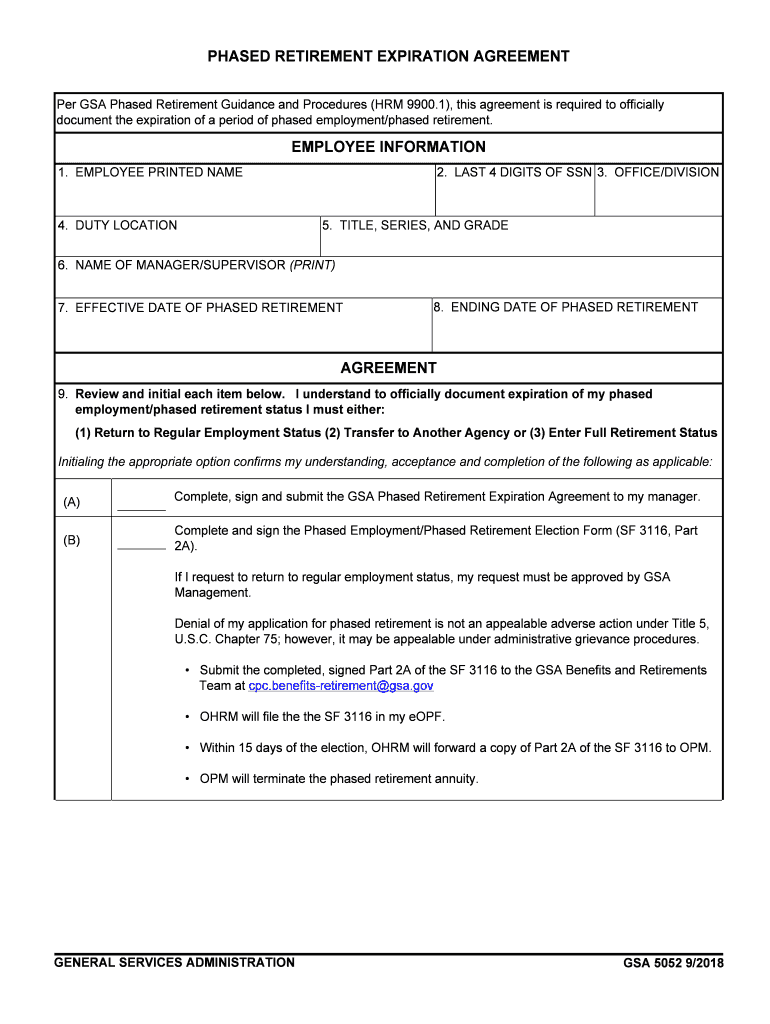







Definition and Meaning
The role of "Acting Under Secretary, Rural Development" within the government is integral to overseeing programs designed to enhance the economic conditions and quality of life in rural America. This position is responsible for implementing policies and initiatives that support rural infrastructure, housing, and business development. By facilitating access to federal resources, the Acting Under Secretary ensures that rural communities have the necessary tools to thrive. Understanding this role is crucial for stakeholders involved in rural policy and development as it dictates the strategic direction of federal support.
How to Use the Acting Under Secretary, Rural Development - Government
Engagement with the Acting Under Secretary's office involves understanding its programmatic functions and leveraging available resources for rural development projects. Stakeholders, including local governments, non-profit organizations, and community leaders, can seek guidance and support in project planning and funding applications. Workshops, consultations, and strategic partnerships are common methods through which the Acting Under Secretary’s office facilitates rural development. Utilizing the office effectively requires familiarity with its initiatives and participating in informational sessions or direct consultations.
Steps to Complete the Acting Under Secretary, Rural Development - Government Form
- Identify Need & Eligibility: Determine the specific development needs and check eligibility criteria for available programs.
- Gather Required Information: Collect all necessary documentation and information related to your rural development project.
- Access the Form: Obtain the relevant form from the official government website or request it from the Acting Under Secretary’s office.
- Complete the Form: Accurately fill out all sections, detailing project goals, expected outcomes, and financial necessities.
- Review & Submit: Double-check all details for accuracy before submission. Submit via the preferred method specified by the office.
Completing this form accurately is essential to facilitate proper evaluation and approval of rural development initiatives.
Who Typically Uses the Acting Under Secretary, Rural Development - Government
The primary users of the services and resources provided by the Acting Under Secretary include:
- Local Government Officials: Seeking infrastructure funding and guidance.
- Community Leaders: Looking to improve local services and economy.
- Non-Profit Organizations: Focusing on rural health, education, and development.
- Business Entities: Interested in expanding operations or investing in rural areas.
These stakeholders typically collaborate closely with the Acting Under Secretary's office to align local development goals with federal rural policies.


Important Terms Related to the Acting Under Secretary, Rural Development - Government
- Rural Infrastructure: Facilities and services essential for economic development in rural areas, like roads and broadband.
- Community Facilities Loans: Financial products designed to support community-based utility and infrastructure projects.
- Rural Housing Service: A division focused on providing assistance for affordable housing options in rural America.
Understanding these terms is crucial for effectively navigating interactions with the Acting Under Secretary's office and leveraging available resources.
Legal Use of the Acting Under Secretary, Rural Development - Government
The Acting Under Secretary operates under a framework of federal laws designed to promote fairness and transparency in rural aid. Ensuring legal use involves compliance with regulations governing the allocation of funding and resources. Beneficiaries of these resources must adhere to federal guidelines concerning project execution and reporting. Legal compliance is mandatory to maintain eligibility for future assistance and to avoid penalties or legal actions.
Key Elements of the Acting Under Secretary, Rural Development - Government
The office of the Acting Under Secretary is defined by several key components:
- Policy Implementation: Enacting federal policies that promote sustainable rural development.
- Program Oversight: Managing programs that support rural infrastructure, business, and community development.
- Technical Assistance: Providing expertise and resources to address rural challenges effectively.
These elements ensure that the office fulfills its mission to support rural America.
Examples of Using the Acting Under Secretary, Rural Development - Government
- Infrastructure Funding: A local government secures funding to upgrade its road network, improving connectivity and economic opportunities.
- Community Health Center Development: A non-profit organization partners with the office to build a rural health center, enhancing access to medical services.
- Rural Business Expansion: A small agricultural business receives support to expand its operations, stimulating local job growth.
These examples demonstrate the practical impacts of the Acting Under Secretary’s roles on rural communities.
Required Documents
Engaging with the Acting Under Secretary’s office for support or funding typically requires submission of:
- Project Proposals: Detailed documents outlining the objectives, expected outcomes, and financial requirements of the project.
- Financial Records: Evidence of current financial status, including budgets and audits, to assess eligibility for funding.
- Community Support Letters: Endorsements from local stakeholders or community groups showing collective backing for the proposed project.
Providing these documents is fundamental to ensure a comprehensive evaluation of project viability and alignment with federal objectives.




