





Definition and Meaning of "Form Online"
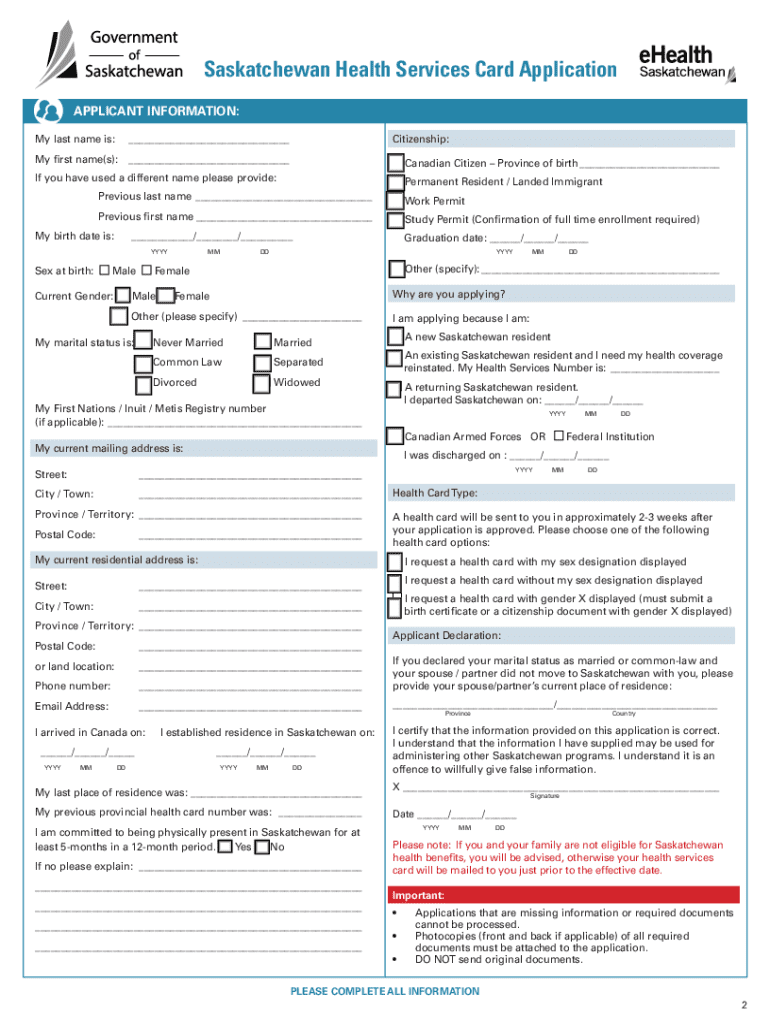
The concept of a "form online" generally refers to electronic documents that can be completed via the internet. These forms allow users to input and submit required information without needing to print or mail physical copies. They are prevalent across various domains, including government, business, education, and healthcare. By offering an online format, these forms streamline the process of data collection, making it more efficient for both the form-giver and the recipient. Moreover, processing data electronically reduces errors associated with manual data entry and can expedite the processing time for submissions. Online forms often include interactive elements, such as dropdown menus and validation checks, to ensure accuracy and completeness of the data provided.
How to Use the Form Online
Using a form online usually involves several straightforward steps. First, users access the form through a specific website or a provided link. Once the form is open, individuals proceed by filling out each field according to the instructions provided. These forms might contain text boxes, checkboxes, radio buttons, and signature fields to capture a diverse range of data. After completing all required fields, users can review their entries to ensure accuracy. Many platforms offer a "review" or "preview" feature to help users double-check their data before submission. Finally, with a click of the "submit" button, the form is sent electronically to the designated recipient or database for processing.
Examples of Using a Form Online
- Tax Forms: Submit tax returns online for more accessible and faster processing.
- Job Applications: Apply for positions without needing to visit offices or send physical mail.
- College Applications: Universities often provide online portals for submitting application materials.
- Surveys: Collect data from participants through online forms for research projects or customer feedback.
Steps to Complete the Form Online
Completing a form online typically involves the following steps:
- Access the Form: Navigate to the specific website or link where the form is hosted.
- Read Instructions Carefully: Before entering information, review all instructions to ensure compliance with submission guidelines.
- Enter Data Accurately: Use text boxes, dropdown menus, and other fields to input required information.
- Check for Required Fields: Ensure all necessary fields are completed; these are often marked with an asterisk (*) or similar indication.
- Validate Information: Many online forms include validation checks to highlight errors or missing information. Address these as needed.
- Review Your Submission: Use available review tools to confirm the accuracy and completeness of your responses.
- Submit: Once satisfied with the content, click the "submit" button to send your data electronically.
Why Should You Use Form Online
Utilizing online forms offers numerous benefits. Primarily, they provide convenience by allowing forms to be filled out anytime and anywhere, eliminating the need for physical presence. This flexibility is particularly advantageous for individuals with mobility issues or those living far from pertinent offices. Additionally, online forms are environmentally friendly, reducing the need for paper and ink. They improve accuracy through immediate validation and support efficient data management by automatically organizing and storing information in digital databases. For organizations, the use of online forms can decrease processing times and administrative workload, ultimately enhancing productivity and customer satisfaction.
Legal Use and Compliance with Online Forms
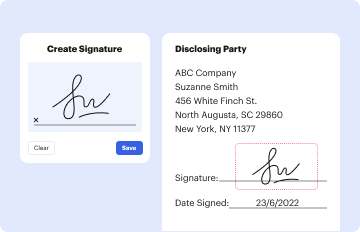
When using forms online, it's crucial to understand legal considerations. Online forms must comply with digital privacy laws, such as the General Data Protection Regulation (GDPR) in Europe or the California Consumer Privacy Act (CCPA) in the United States. These regulations ensure that personal data collected via online forms is protected and used appropriately. Additionally, for electronic signatures gathered through online forms to be legally binding, they must adhere to laws like the ESIGN Act in the U.S., which stipulates specific requirements for valid e-signatures. Organizations must ensure their online forms meet these regulations to avoid legal penalties and maintain trust with their users.
Key Elements of a Typical Online Form
- Title and Description: Clearly indicates the form's purpose.
- Instructions for Completion: Step-by-step guidance on how to complete and submit the form.
- Data Entry Fields: Includes text fields, dropdown menus, checkboxes, and radio buttons for precise data capture.
- Validation Features: Ensures required fields are completed correctly before submission.
- Submission Confirmation: Provides a notification or receipt indicating successful submission.
- Data Protection Notices: Offers information on how user data will be stored and used, ensuring compliance with privacy regulations.
Software Compatibility and Integration
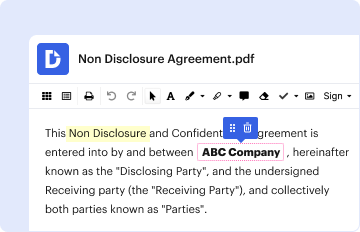
Online forms frequently integrate with various software applications and platforms, enhancing their utility and ease of use. Compatibility with software like DocuSign, Google Workspace, and CRM systems is common, allowing data integration into larger workflows. This connectivity ensures that data collected from online forms can be seamlessly exported to databases or shared with other applications for further processing. Additionally, platforms like DocHub can convert forms into different file formats, ensuring compatibility with popular productivity tools such as Microsoft Office and Adobe Acrobat, further streamlining document management processes.
Examples of Software Integration
- Google Workspace: Import forms from Google Forms and export completed documents to Google Drive.
- CRM Systems: Automatically update customer profiles with new information collected from forms.
- Accounting Software: Sync financial data from online forms with programs like QuickBooks for efficient bookkeeping.
State-by-State Differences in Form Usage
In the United States, form requirements and regulations can vary significantly from state to state. For instance, some states may have specific tax forms that residents must complete, reflecting different tax policies and regulations. Similarly, state-specific identification forms, healthcare applications, and business registration forms may have unique instructions or required documents that applicants must meet. Understanding these regional differences is essential for compliance and ensures that submissions are correctly processed according to the respective state's laws. Online platforms often accommodate these variations by providing state-specific templates and guidance directly within their systems.
State-Specific Examples
- California: CCPA compliance for data privacy.
- New York: Specific healthcare form requirements for Medicaid applications.
- Texas: Business registration forms may differ in content and submission process compared to other states.