01. Edit your form online
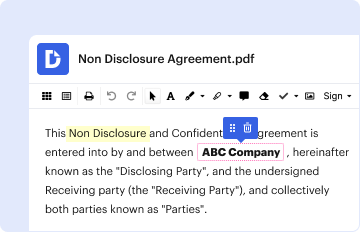
Type text, add images, blackout confidential details, add comments, highlights and more.

Type text, add images, blackout confidential details, add comments, highlights and more.
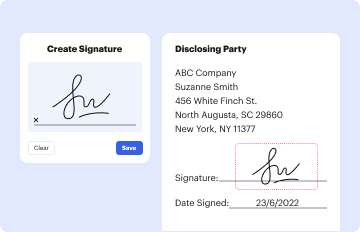
Draw your signature, type it, upload its image, or use your mobile device as a signature pad.
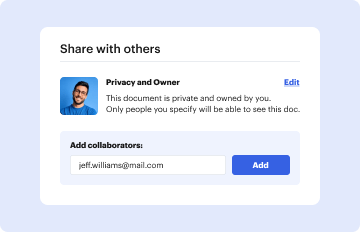
Send it via email, link, or fax. You can also download it, export it or print it out.
Understanding the processing time for applications is vital for planning and decision-making. Several factors can influence how long it will take to process your application, including the type of application, the completeness of your submission, and current processing volumes. Typically, government agencies or other bodies provide standard processing timeframes, which are meant to guide expectations. However, these timeframes can vary during peak periods or due to unforeseen circumstances. Ensuring that all required documents are correctly submitted can significantly reduce delays.
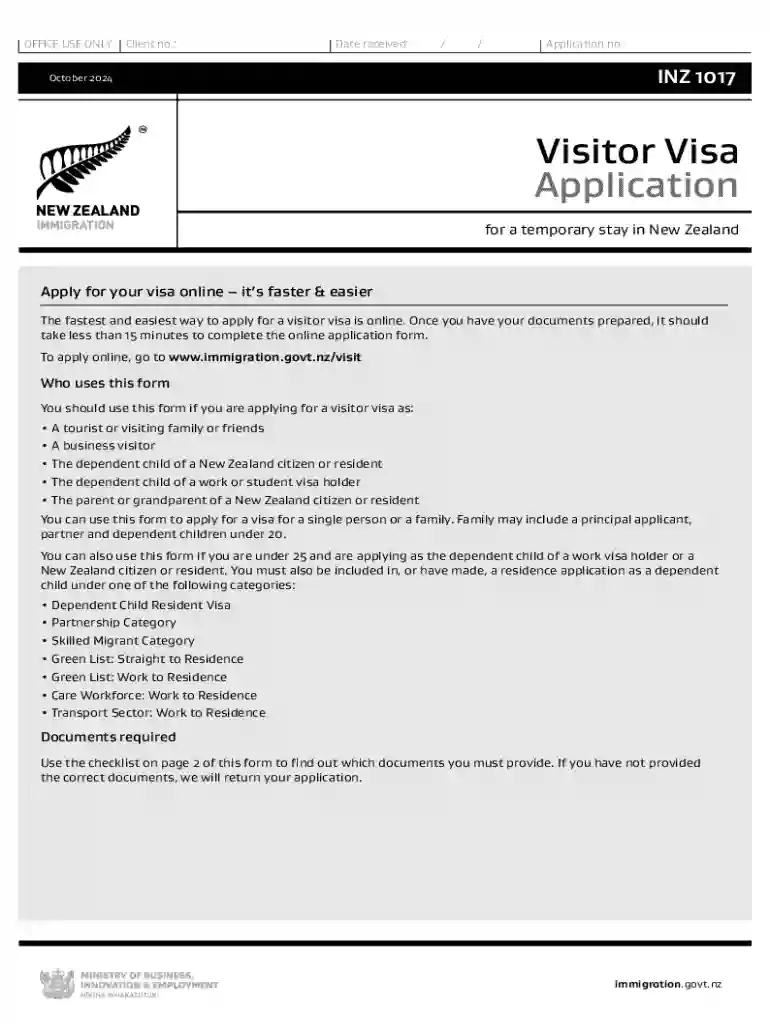
For instance, visa applications might take anywhere from a few weeks to several months, depending on the specific category and the country from which you are applying.
Completing an application efficiently involves several key steps. Begin by collecting all necessary information and documents before you start. Filling out an application online can streamline the process, but ensure that you have a stable internet connection to avoid any interruptions.
Understanding which documents are necessary for your application can prevent delays and rejections. Generally, applications require personal identification, proof of eligibility, and sometimes financial information or declarations.
Ensure all documents are up-to-date and valid. For digital applications, ensure the files are in the correct format and within the size limits.
Applications can often be submitted in multiple ways, providing flexibility to applicants. Choosing the right method can impact how quickly your application is processed.
Evaluate which submission method aligns best with your needs, considering factors like urgency, availability of facilities, and personal convenience.
The choice between digital and paper applications affects not only convenience but also environment and tracking capabilities. Digital applications often provide quicker processing and receipt confirmation, as well as the ability to easily track progress online.
Understanding eligibility is critical before starting an application. Each application type has specific criteria that must be met, which are usually outlined in accompanying guidelines.


Carefully review criteria and seek clarification on any point of uncertainty to prevent wasted efforts on non-eligible applications.
Familiarizing yourself with the critical components of an application form can aid in its accurate completion. These elements typically include sections such as personal details, declarations, and additional information depending upon the application type.
Application processes and requirements can vary based on jurisdiction. This is particularly relevant for forms related to state-specific licenses or benefits.
Staying informed about state-specific variations can avert potential obstacles and align your planning with state regulations.
Familiarity with key terms can make completing an application more straightforward. Different applications have unique terminology that might be necessary for understanding form requirements or submission processes.
Recognizing and understanding these terms ensures you can navigate the application process with confidence.
We've got more versions of the How long will it take to process my application? form. Select the right How long will it take to process my application? version from the list and start editing it straight away!
| Versions | Form popularity | Fillable & printable |
|---|---|---|
| 2024 | 4.8 Satisfied (27 Votes) | |
| 2021 | 4.8 Satisfied (91 Votes) | |
| 2019 | 4.3 Satisfied (176 Votes) | |
| 2019 | 4.4 Satisfied (208 Votes) | |
| 2018 | 4.3 Satisfied (157 Votes) | |
| 2012 | 4.4 Satisfied (62 Votes) | |
| 2011 | 4 Satisfied (32 Votes) | |
| 2010 | 4 Satisfied (37 Votes) | |
| 2009 | 4 Satisfied (40 Votes) | |
| 2008 | 4.3 Satisfied (48 Votes) |
At DocHub, your data security is our priority. We follow HIPAA, SOC2, GDPR, and other standards, so you can work on your documents with confidence.