






Definition and Meaning
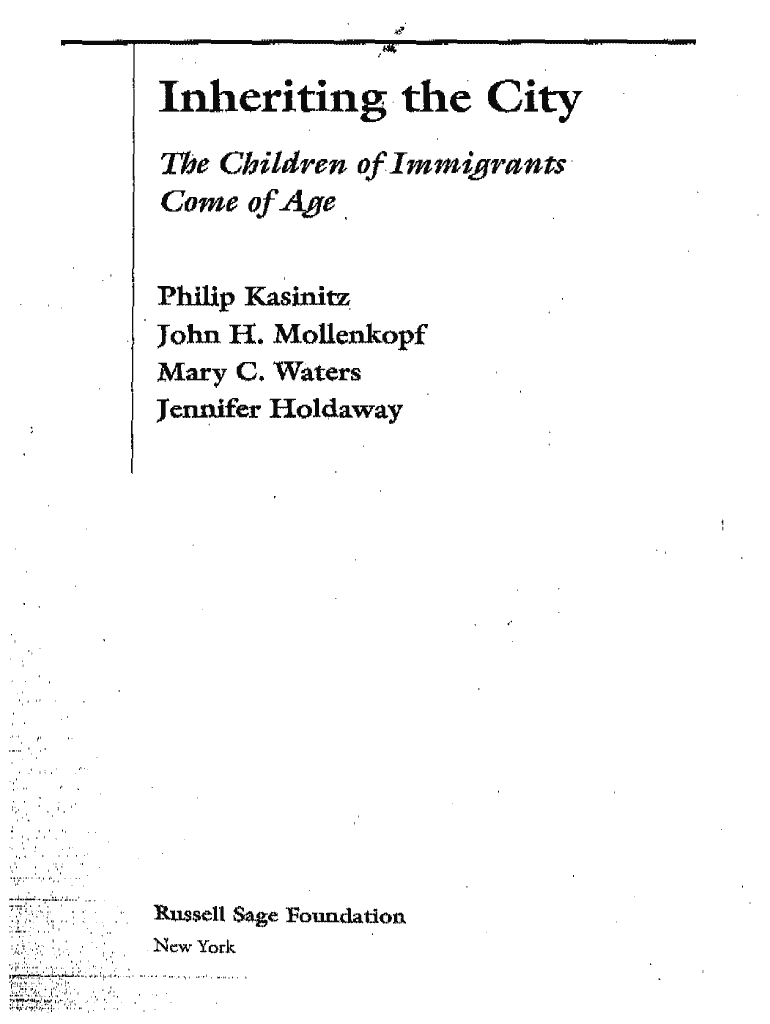
Conclusion: The Second Generation Advantage refers to the unique benefits and opportunities available to the children of immigrants when navigating their educational and professional paths. This concept explores the upward mobility and success achieved by the second generation compared to their parents, often due to greater integration and acculturation in the host society. The advantages include bilingualism, biculturalism, and the ability to move comfortably between different cultural environments.
Key Elements of the Second Generation Advantage
- Cultural Hybridity: The combination of cultural elements from both the country of origin and the host country allows second-generation individuals to better integrate into diverse environments.
- Selective Acculturation: Balancing the retention of the cultural identity of their heritage while adopting the core values and practices of the host country can lead to higher societal acceptance and better opportunities.
- Social Networks: Access to diverse social networks often provides valuable opportunities in education and employment, due to informed support systems among peer groups and communities.
How to Use the Second Generation Advantage
Second-generation immigrants can leverage these advantages by:
- Continuing Education: Pursuing higher education, capitalizing on bilingualism and bicultural understanding.
- Networking Effectively: Engaging with communities across cultural lines to build professional and social networks.
- Career Development: Utilizing diverse experiences and perspectives to bring innovative approaches to workplaces and entrepreneurial ventures.
Examples of the Second Generation Advantage
Real-world scenarios exemplifying this advantage include:
- Academic Success: A second-generation immigrant from a Spanish-speaking household excels in linguistics and cultural studies at college, using bilingual skills as an asset.
- Professional Growth: A second-generation Asian-American leverages bicultural insights to manage an international team, navigating intercultural communication effectively.
- Entrepreneurship: A young tech entrepreneur draws on insights from both native and adopted cultural practices to innovate inclusive and diverse business models.
Important Terms Related to the Second Generation Advantage
- Downward Assimilation: A theory suggesting immigrants' offspring may experience lower socio-economic outcomes, contrasted by the observed upward mobility of the second generation.
- Bilingualism: The ability to speak two languages fluently, often seen as both a practical and cognitive asset in professional environments.
- Social Mobility: The ease with which individuals or families can move up or down the socio-economic ladder, often affected by educational and occupational opportunities.
Legal Use and Considerations
- Cultural Competence Training: Programs that foster acceptance of diverse cultural backgrounds by utilizing the skills and insights of second-generation immigrants.
- Immigration Law: Understanding of relevant immigration policies that affect access to education and employment opportunities for immigrant families and their children.
- Anti-Discrimination Laws: Laws that protect individuals from discrimination, enabling the second generation to capitalize on their unique advantages without prejudice.
Filing Deadlines / Important Dates
Second-generation individuals must stay informed about:
- College Application Deadlines: For those pursuing higher education, meeting enrollment deadlines is crucial.
- Immigrant Status Renewal Deadlines: Maintaining lawful status in the host country is vital for continued access to opportunities.
- Job Application Timelines: Timely submission of applications for internships and employment.
State-by-State Differences
While the second-generation advantage is a broad concept, the specific challenges and opportunities can vary based on state:
- Education Systems: Differences in educational policies and resources available to immigrant families.
- Local Community Support: Varies based on the presence and strength of cultural communities and immigrant networks in a given state.
- Legal Frameworks: State-specific laws and regulations impacting immigrants' integration and success.
Business Types That Benefit Most
Businesses that benefit from hiring second-generation individuals include:
- Bilingual Services: Companies requiring translation and customer interaction across languages.
- Global Corporations: Multinational firms seeking cultural liaisons for international operations.
- Creative Industries: Businesses valuing diverse perspectives in art, design, and media for broader audience reach.