






Overview of "David Levy - University of Massachusetts Boston - UMass Boston"
Definition & Meaning
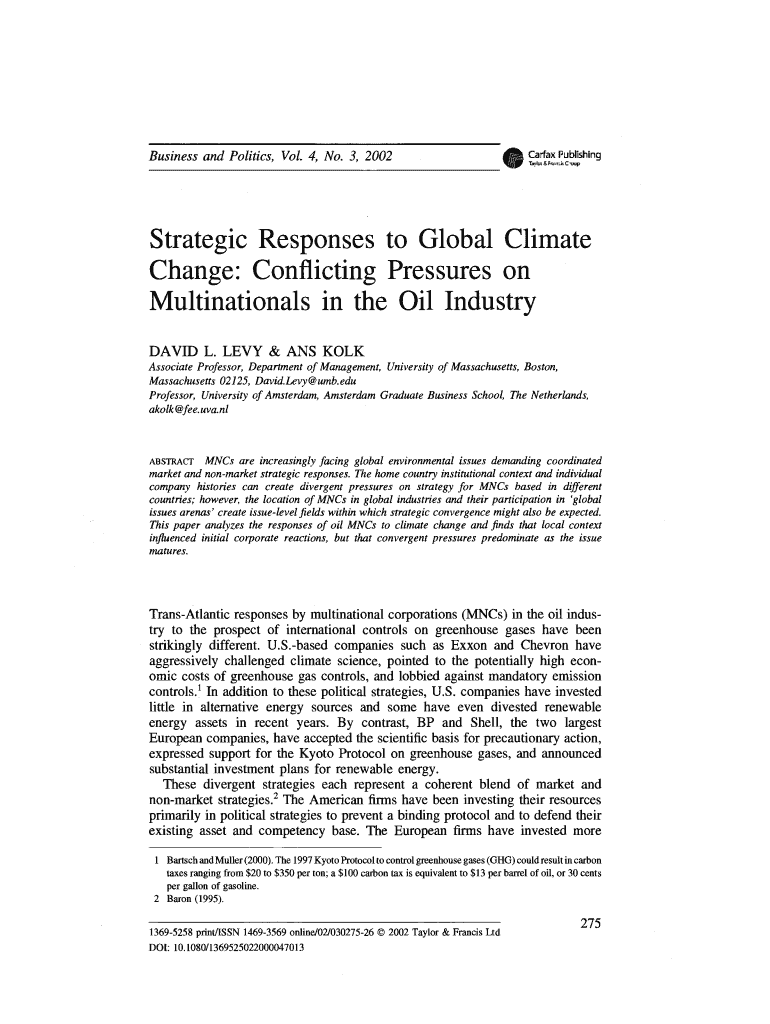
The term "David Levy - University of Massachusetts Boston - UMass Boston" refers to the association of David Levy with the University of Massachusetts Boston, commonly known as UMass Boston. This association could encompass various roles, such as faculty member, researcher, or administrative staff, engaging in educational, research, or administrative activities within the university setting.
Steps to Engage with David Levy at UMass Boston
- Identify the Relevant Department: Begin by determining which department David Levy is affiliated with at UMass Boston. This information can usually be found on the university's official website or departmental pages.
- Utilize University Resources: Use the university's directory or contact the department directly to find more specific information about David Levy’s role and responsibilities.
- Schedule a Meeting or Consultation: Depending on the nature of the inquiry, reach out via email or phone to schedule a consultation or meeting, if appropriate.
- Prepare Necessary Documentation: If specific documents or credentials are required, ensure they are prepared in advance of any meeting or correspondence.
- Engage with Related Programs: Participate in relevant seminars, workshops, or lectures facilitated by David Levy at UMass Boston to gain deeper insights.
Why Engage with David Levy at UMass Boston
- Academic Expertise: Engaging with David Levy can provide valuable insights and guidance in specific fields of study, leveraging his expertise and experience in academic pursuits.
- Research Opportunities: Students and researchers may benefit from collaborative projects or supervised research efforts under his guidance at UMass Boston.
- Professional Networking: Building a connection with faculty members like David Levy can open doors to professional opportunities and collaborations beyond the academic environment.
Who Typically Engages with David Levy at UMass Boston
- Students: Both undergraduate and graduate students seeking mentorship or academic support.
- Researchers: Individuals involved in academic research who may collaborate on projects.
- Academic Peers: Fellow faculty and researchers within similar fields at UMass Boston or other institutions.
- Community Members: External stakeholders or community members interested in educational outreach or knowledge sharing.
Key Elements to Consider
- Areas of Expertise: Understanding the primary disciplines and research interests of David Levy to tailor engagement effectively.
- University Protocols: Familiarity with UMass Boston’s policies for faculty interaction and engagement ensures adherence to academic and administrative standards.
- Documentation Requirements: Being aware of any necessary forms or credentials needed for academic collaboration or consultation.
Examples of Interaction at UMass Boston
- Lecture Attendance: Attending lectures or seminars by David Levy to grasp complex subjects through expert delivery.
- Research Collaboration: Joint ventures in research initiatives, contributing to scholarly work and publications.
- Consultation Sessions: Personalized guidance sessions focusing on academic or research inquiries.
Submission and Engagement Methods
- Online Directory: The UMass Boston website’s directory for contact information and departmental links.
- Email Communication: Formal email outreach as a primary method for initiating contact.
- On-Campus Visits: In-person meetings at UMass Boston’s campus, requiring prior arrangement and adherence to campus guidelines.
Legal and Ethical Considerations
- Intellectual Property: Respecting intellectual property rights and ensuring proper acknowledgment in research collaborations.
- Compliance with University Policies: Adhering to ethical guidelines and institutional rules regarding academic conduct and engagement.
Digital vs. In-Person Interaction
- Online Engagement: Utilizing digital communication tools for remote consultations or virtual meetings, especially relevant for international or remote students.
- In-Person Opportunities: Face-to-face interactions, ideal for direct mentorship and hands-on research activities.
Integration with Academic Software
- Compatibility with Tools like DocHub: Using platforms like DocHub to manage and share documents efficiently during collaborative efforts, ensuring seamless integration with existing tools used by the university, such as Google Workspace.
- Academic Software: Leveraging other academic software for project management, data analysis, or collaborative research work.
Eligibility and Access Criteria
- Affiliation with UMass Boston: Typically, engagement may require association with the university as a student, faculty, or official visitor.
- Academic Standing: Active or prospective students and researchers often need to meet specific academic requirements or criteria to participate in certain activities or engagements.