






Understanding Spiritual Pain in the Dying
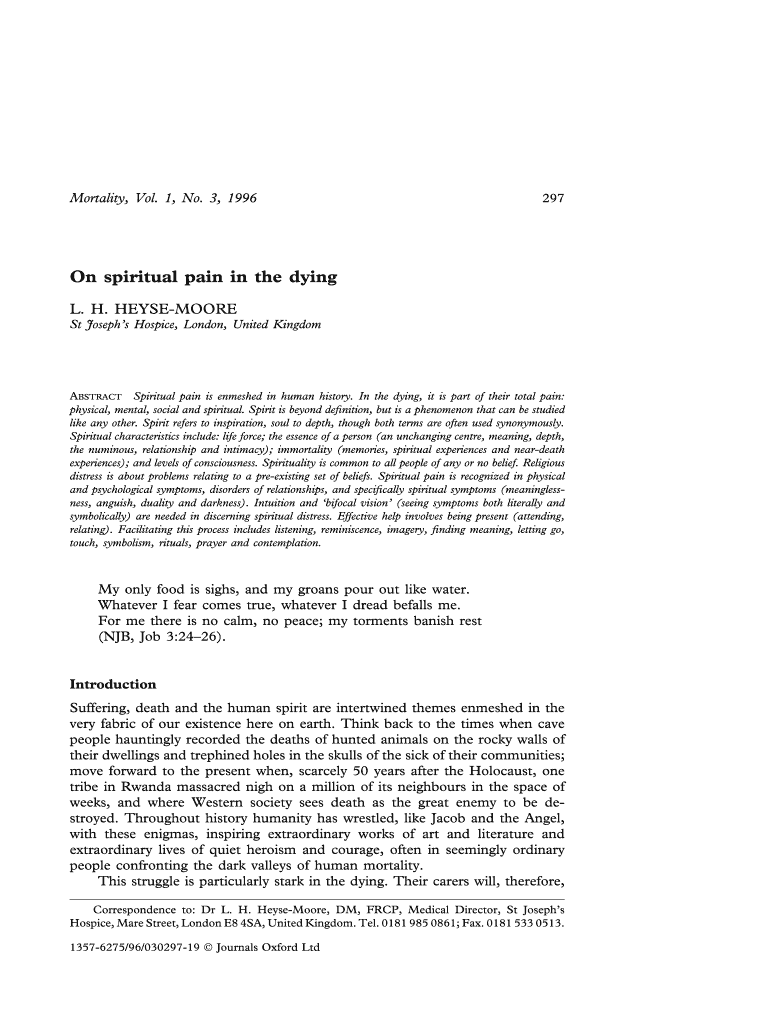
Spiritual pain is an integral aspect of the dying process, often manifesting alongside physical, mental, and social challenges. It encompasses a profound existential crisis where individuals may struggle with feelings of meaninglessness, anguish, and a sense of disconnect from their spiritual beliefs or practices. Recognizing and addressing spiritual pain in dying individuals is crucial for providing holistic palliative care.
Manifestations of Spiritual Pain
Spiritual pain can manifest in various ways, each reflecting a deep sense of existential distress. It might include:
- A loss of meaning or purpose in life, often experienced as profound inner emptiness.
- Feelings of guilt or remorse over perceived failures or unresolved conflicts.
- Anxiety about death and what lies beyond, coupled with fear of the unknown.
- A sense of isolation from loved ones and the divine or spiritual realm.
- Intense grief over the impending loss of life and relationships.
Importance of Addressing Spiritual Pain
Recognizing and alleviating spiritual pain is vital for several reasons:
- It promotes emotional and spiritual healing, helping individuals find peace in their final days.
- Addressing it can reduce overall distress, potentially easing physical symptoms.
- Providing spiritual support fosters a sense of connection and meaning, enhancing the overall quality of care.
Approaches to Alleviating Spiritual Pain
Presence and Active Listening
One of the most impactful ways to address spiritual pain is through presence and active listening. Caregivers can:
- Sit with the dying individual without the need to fill silence, allowing them to express fears and concerns.
- Engage in deep listening, validating their emotions and spiritual struggles.
- Encourage open conversations about beliefs, doubts, and hopes.
Facilitating Meaningful Conversations
Engaging in conversations that explore life stories, experiences, and beliefs can help reduce spiritual distress:
- Discuss life accomplishments and cherished memories to reaffirm the individual's value.
- Explore spiritual beliefs and practices that provide comfort and reassurance.
- Initiate discussions about unresolved conflicts or unfinished business to provide closure.
Utilizing Rituals and Symbols
Incorporating rituals and symbols into care can provide comfort:
- Encourage the use of religious or spiritual symbols that hold personal significance.
- Facilitate rituals or ceremonies that align with the individual's beliefs, promoting a sense of peace and acceptance.
- Suggest prayer or meditation, depending on the person's tradition or preference.
The Role of Caregivers and Family
Supportive Caregiving
Caregivers, including family members and healthcare professionals, play a crucial role:
- They should offer nonjudgmental support, respecting diverse beliefs and experiences.
- Training in spiritual care can enhance their ability to recognize and support spiritual needs.
- Collaboration with spiritual care professionals, such as chaplains, can offer additional resources and expertise.
Family Involvement
Families are integral to addressing spiritual pain:
- Engaging families in conversations about spiritual needs can provide additional support and understanding.
- Families can participate in rituals and discussions, reinforcing the individual's connection to their loved ones.
- Open communication within families can help resolve conflicts and reinforce relationships.
Holistic Palliative Care
Philosophical Underpinnings
Holistic palliative care emphasizes the interconnectedness of physical, mental, and spiritual well-being:
- By integrating spiritual care into overall treatment plans, caregivers address the complete experience of dying individuals.
- Holistic care aims to improve quality of life by minimizing distress across all dimensions.
Practical Application
Implementing holistic care requires:
- Training healthcare teams to recognize and address spiritual pain alongside other symptoms.
- Providing resources and referrals to spiritual care specialists when necessary.
- Tailoring care plans to reflect the individual’s spiritual needs and preferences.
Key Takeaways on Spiritual Pain
Understanding and addressing spiritual pain is essential for comprehensive palliative care. It calls for a compassionate approach that acknowledges and supports the spiritual dimension of the dying process, fostering peace and dignity in an individual's final days.